 Representation · Import · Export
Dairy equipment
Dairy machinery and equipment
Browse equipment by production stage. Contact CONCERN for technical information and export quotations.
These are stainless steel machines for dairies, cheese plants and confectionery makers, from the cheese vat to the viscous product filler. Concern quotes, exports from Brazil and follows the shipment until the equipment reaches your plant.
Exclusive production for export by Concern Rep. Imp. Exp.
Mozzarella and pasta filata machinery
Mozzarella and other pasta filata cheeses go through three mechanical steps once the curd has acidified: chopping, which cuts the curd into smaller pieces; stretching, in which the curd is heated in hot water and pulled until it turns elastic; and molding, which gives the final shape while the curd is still hot.
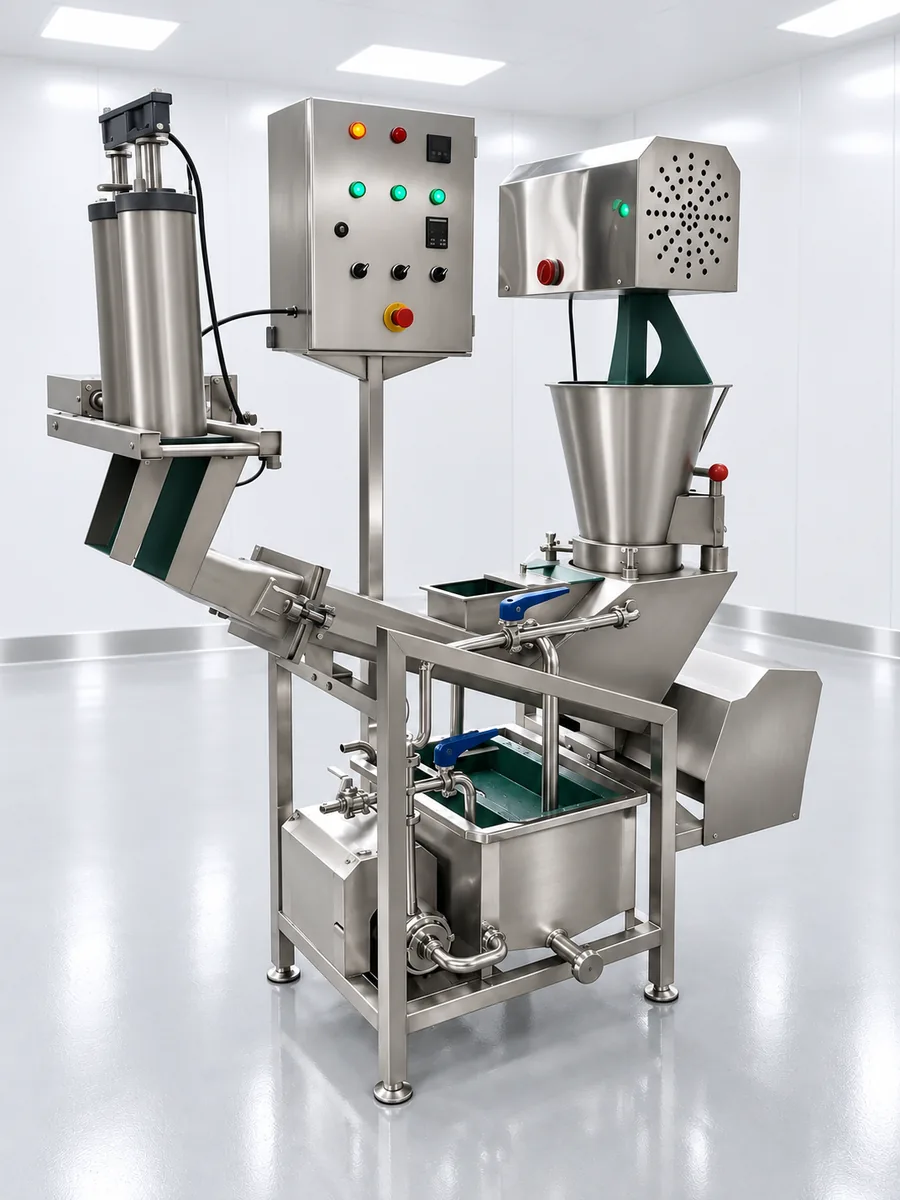
Compact mozzarella processor
Chops, stretches in hot water and molds mozzarella in one continuous line, on a small-footprint frame.
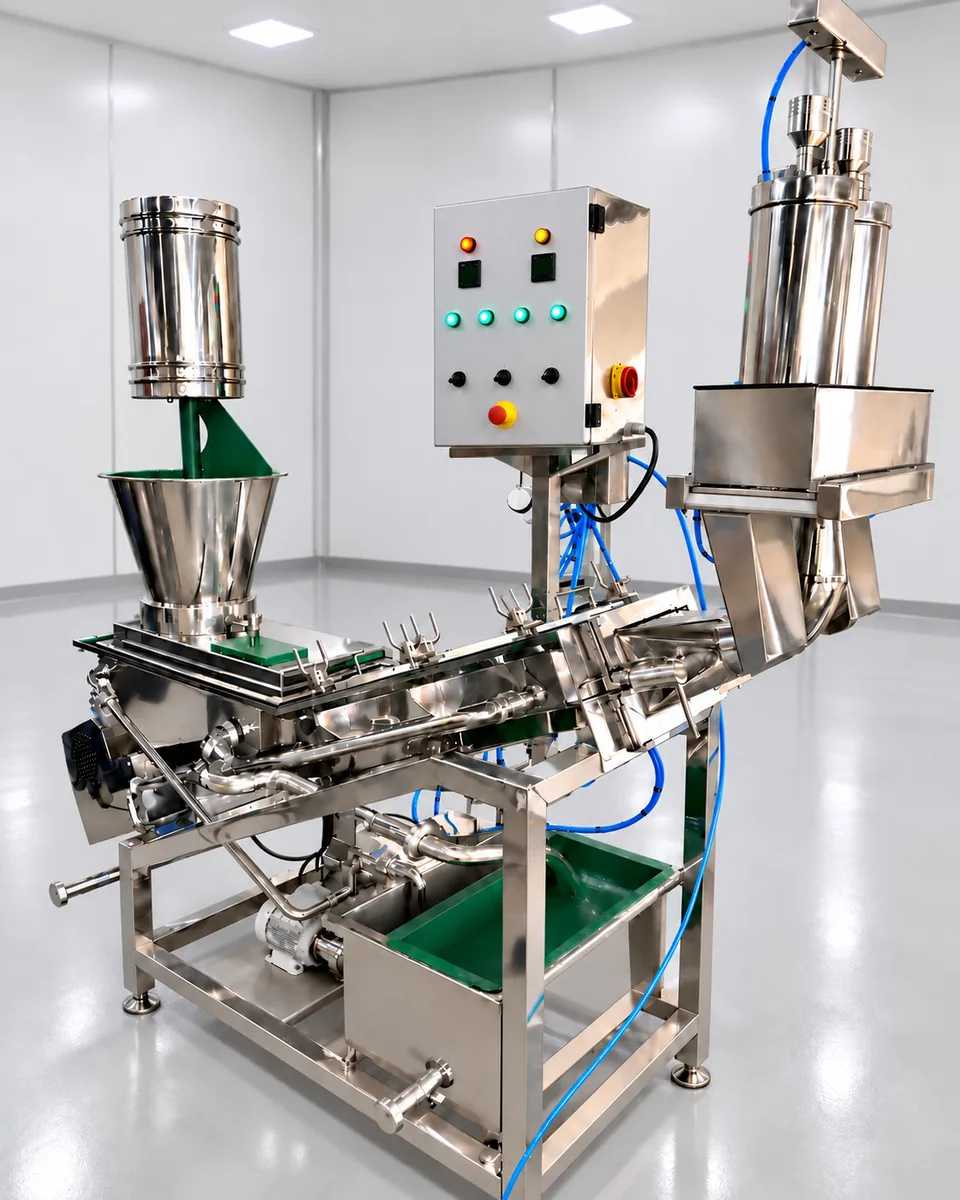
Open mozzarella processor
Chops, stretches and molds mozzarella in one machine, with an accessible stretching channel to check the curd and clean.
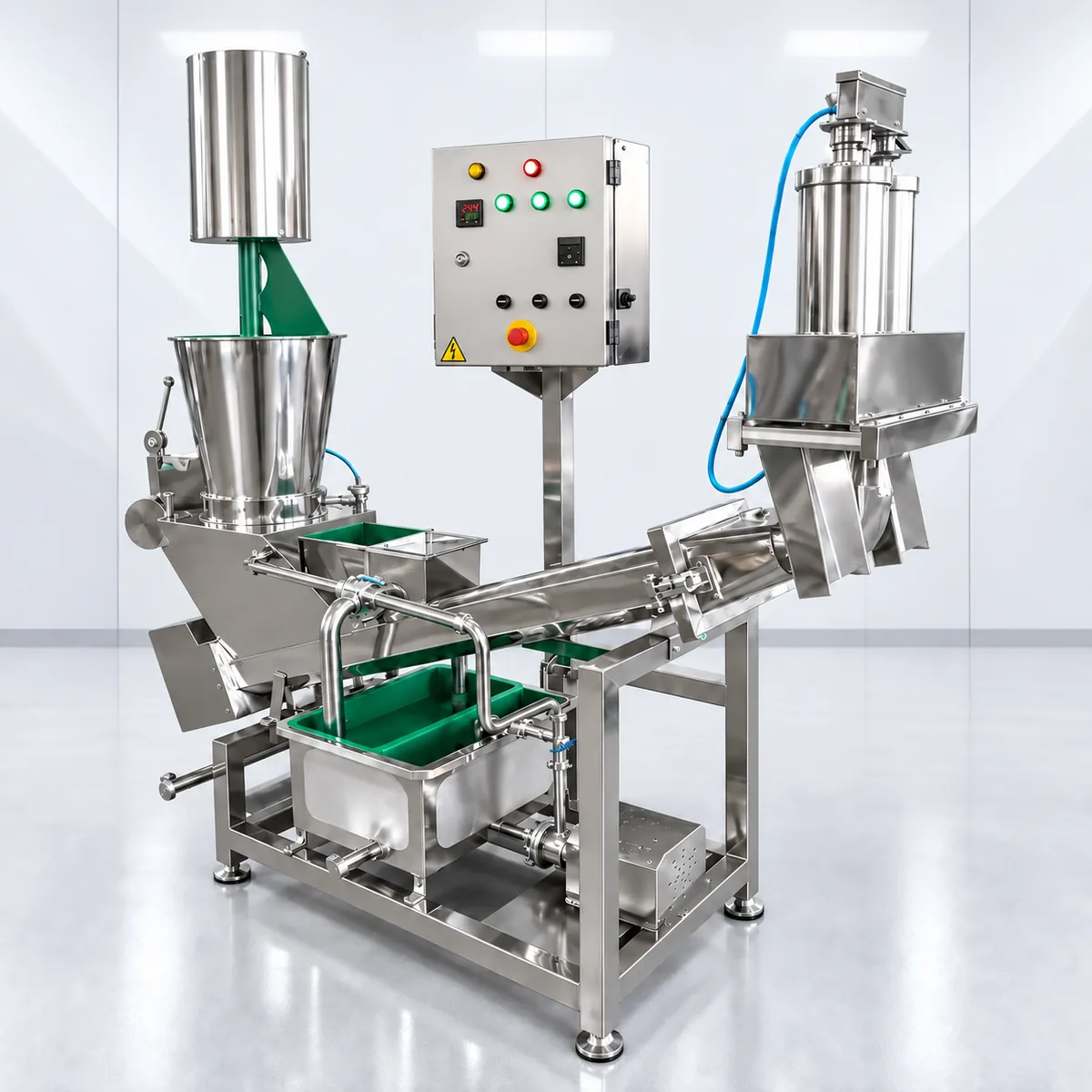
Enclosed mozzarella processor
Chops, stretches and molds mozzarella in one line, with stretching inside a closed stainless steel body.
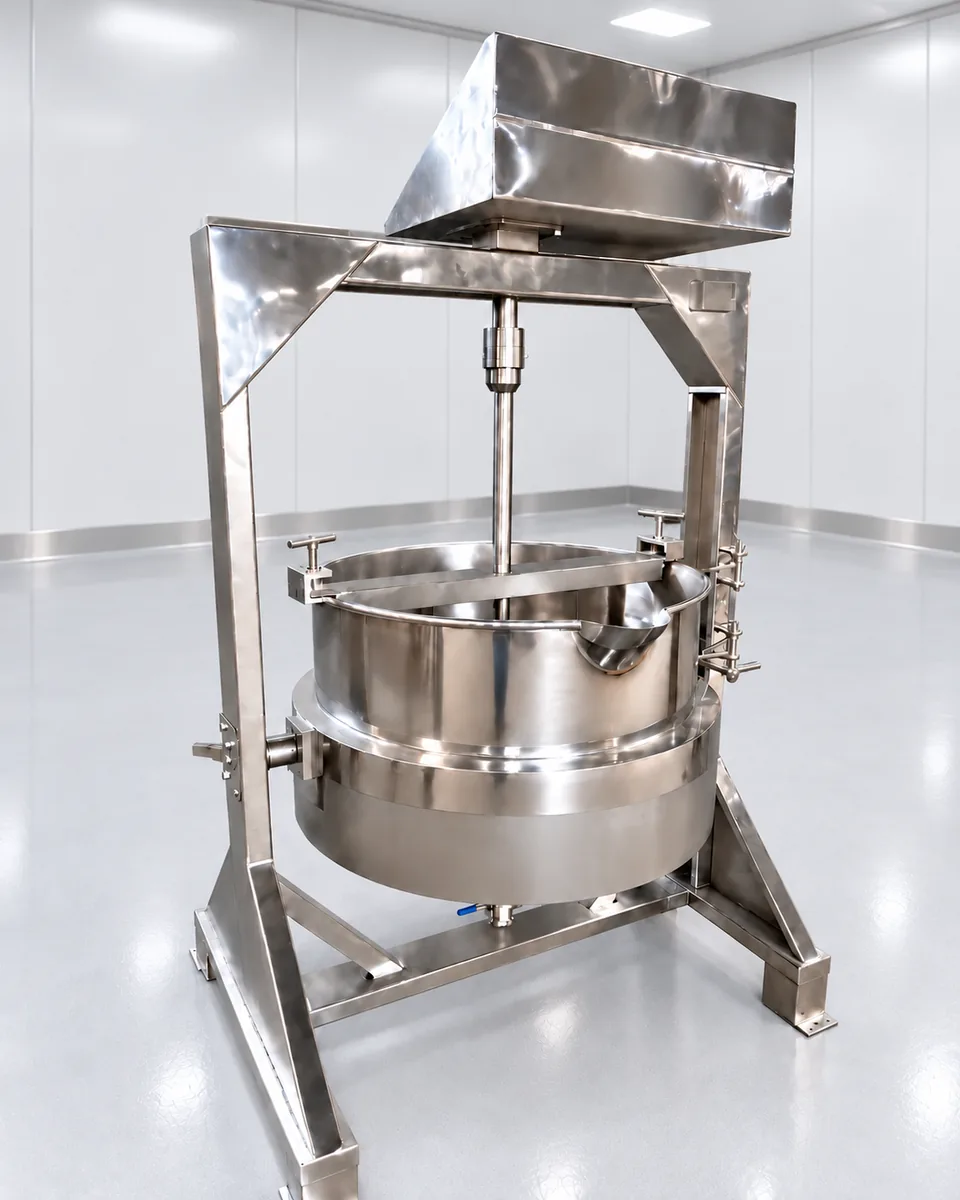
Traditional mozzarella stretcher
Industrial kettle with an agitator for batch stretching of mozzarella curd and making sliceable requeijão.
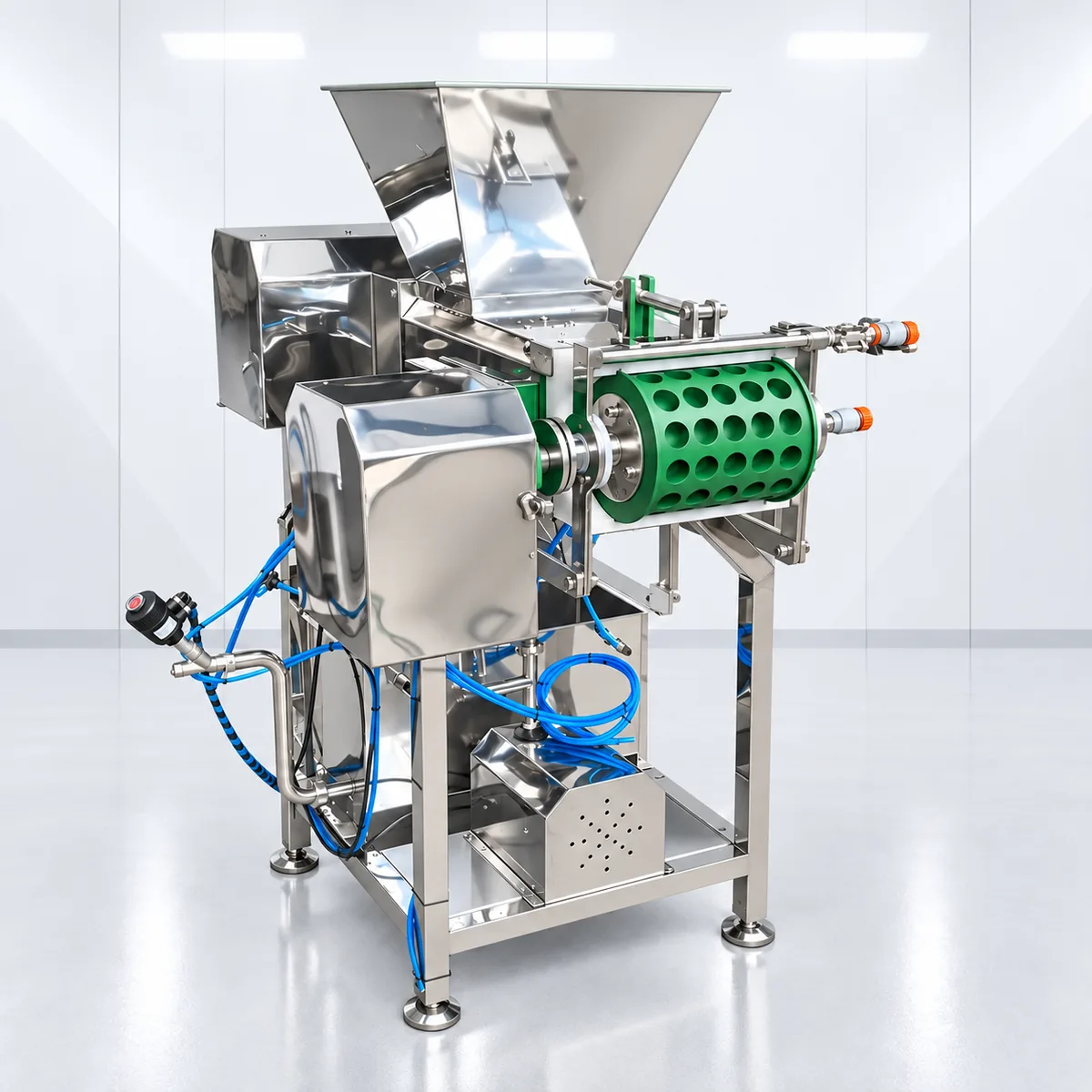
Mozzarella ball, stick and provolone molding machine
Shapes freshly stretched curd while still hot: mozzarella balls, sticks and provolone pieces.
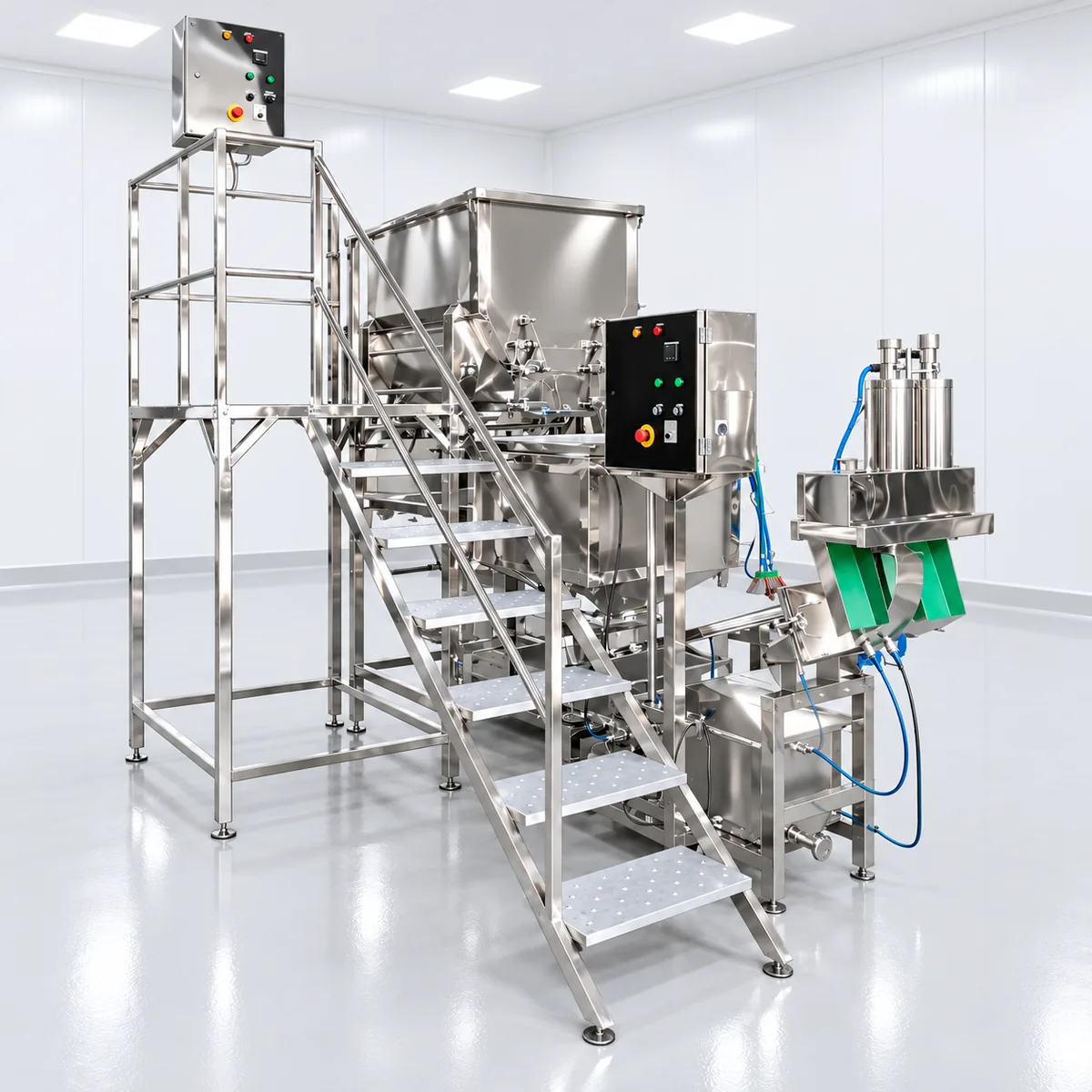
Processed cheese cooker-stretcher
Works processed cheese, mozzarella with starch and other formulations, from platform loading to molding at the outlet.
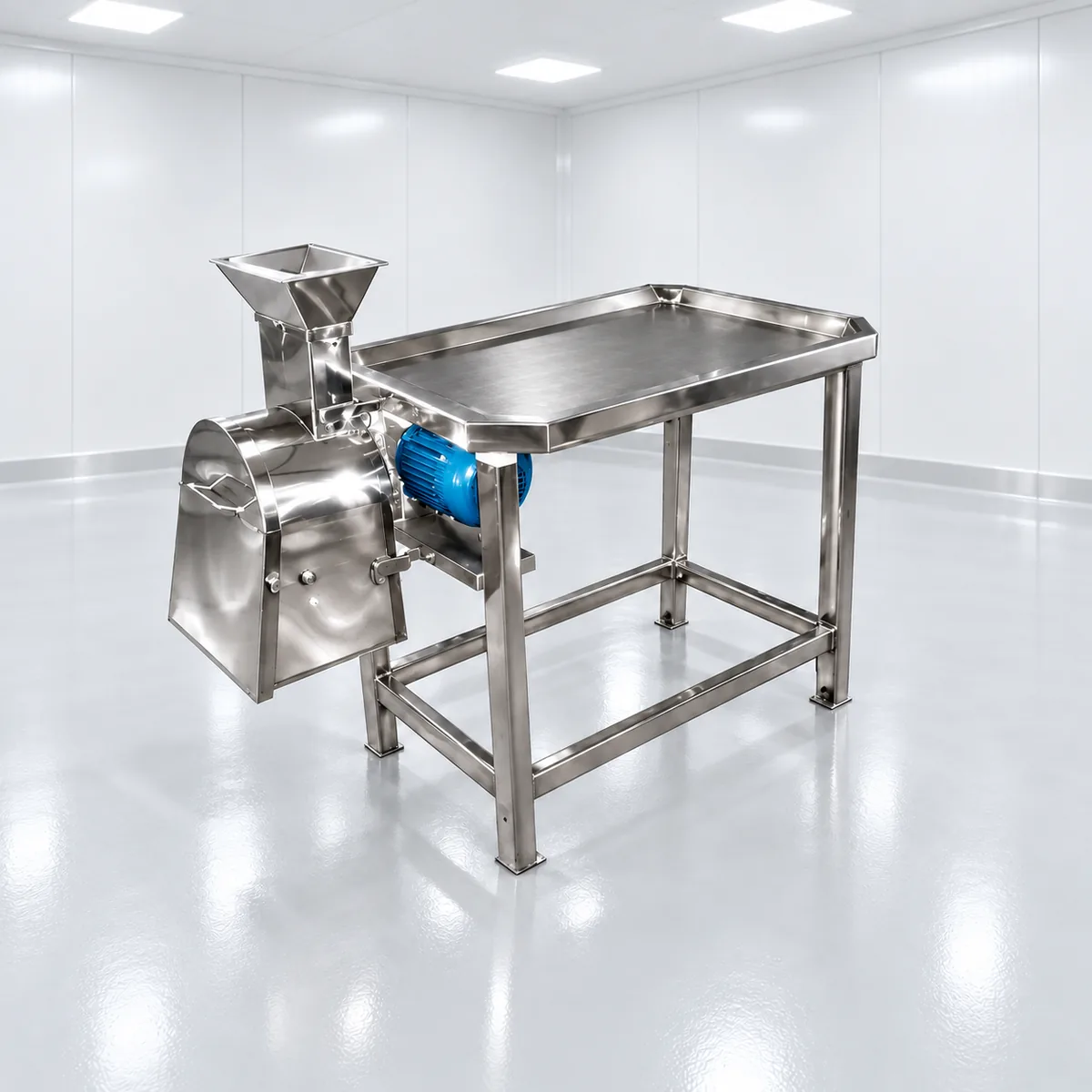
Mozzarella curd chopper
Cuts acidified mozzarella curd into small pieces before stretching, with a work table alongside.
Cheesemaking equipment: vats, presses and cutters
Cheesemaking starts in the vat: rennet is added to the milk, the milk coagulates, and the curd is cut into grains, stirred and heated until it releases the whey. The curd then goes into molds, is drained and pressed, and the finished cheese can be cut into portions.
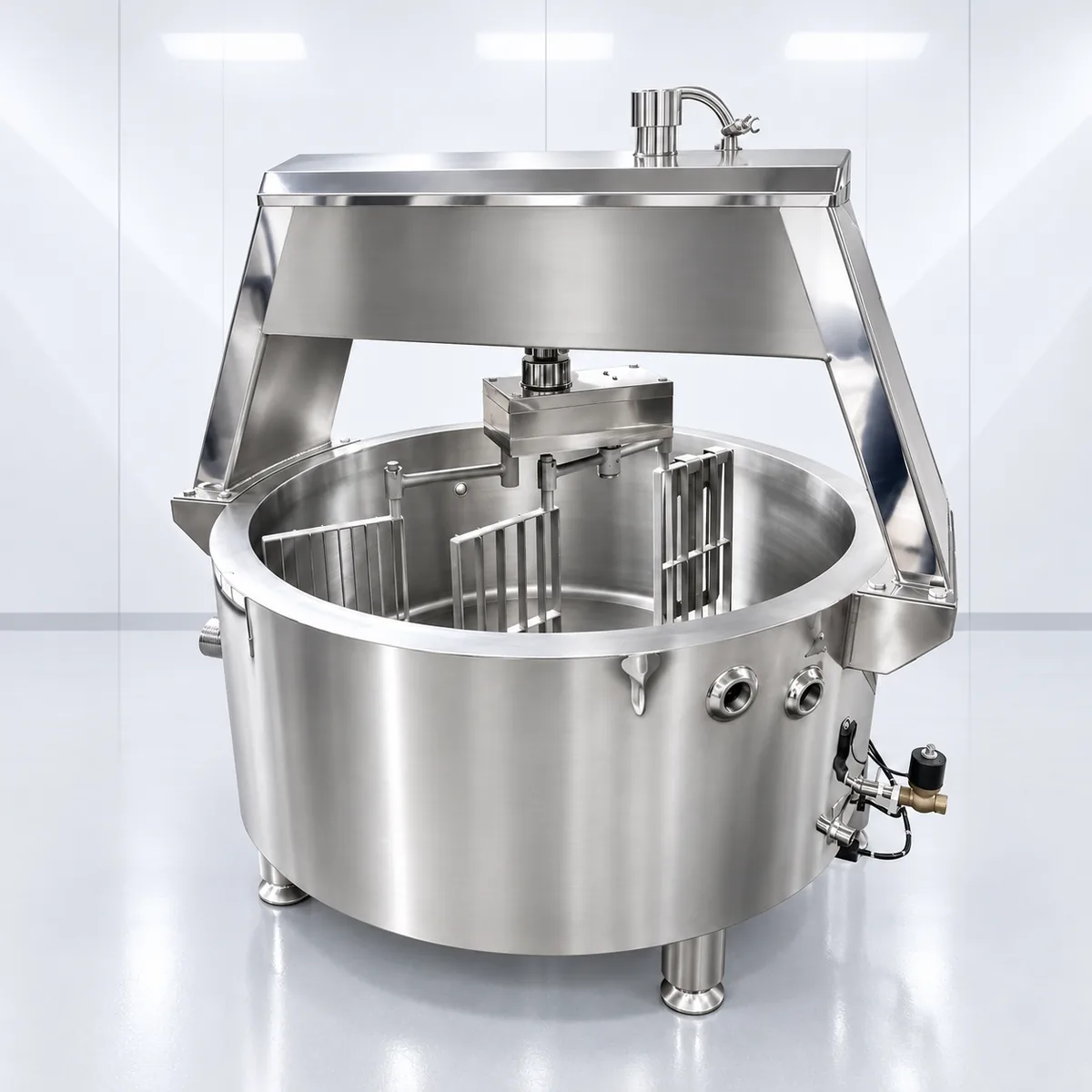
Round Queijomatic cheese vat
Open round vat with motorized harps that sets the milk, cuts, stirs and heats the curd in a single unit.
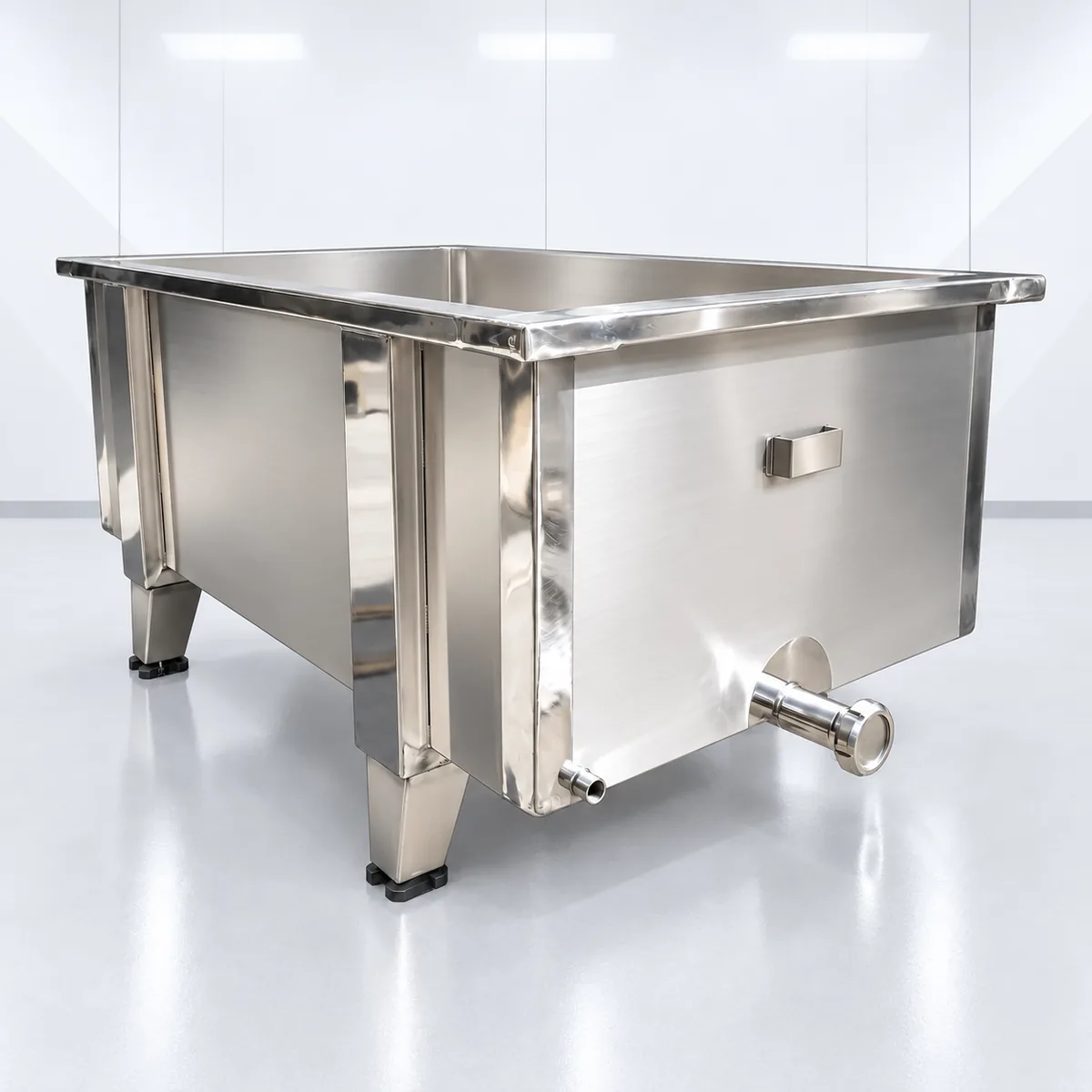
Basic cheese vat
Open rectangular vat in AISI 304 stainless steel for receiving milk, setting it and working the curd by hand.
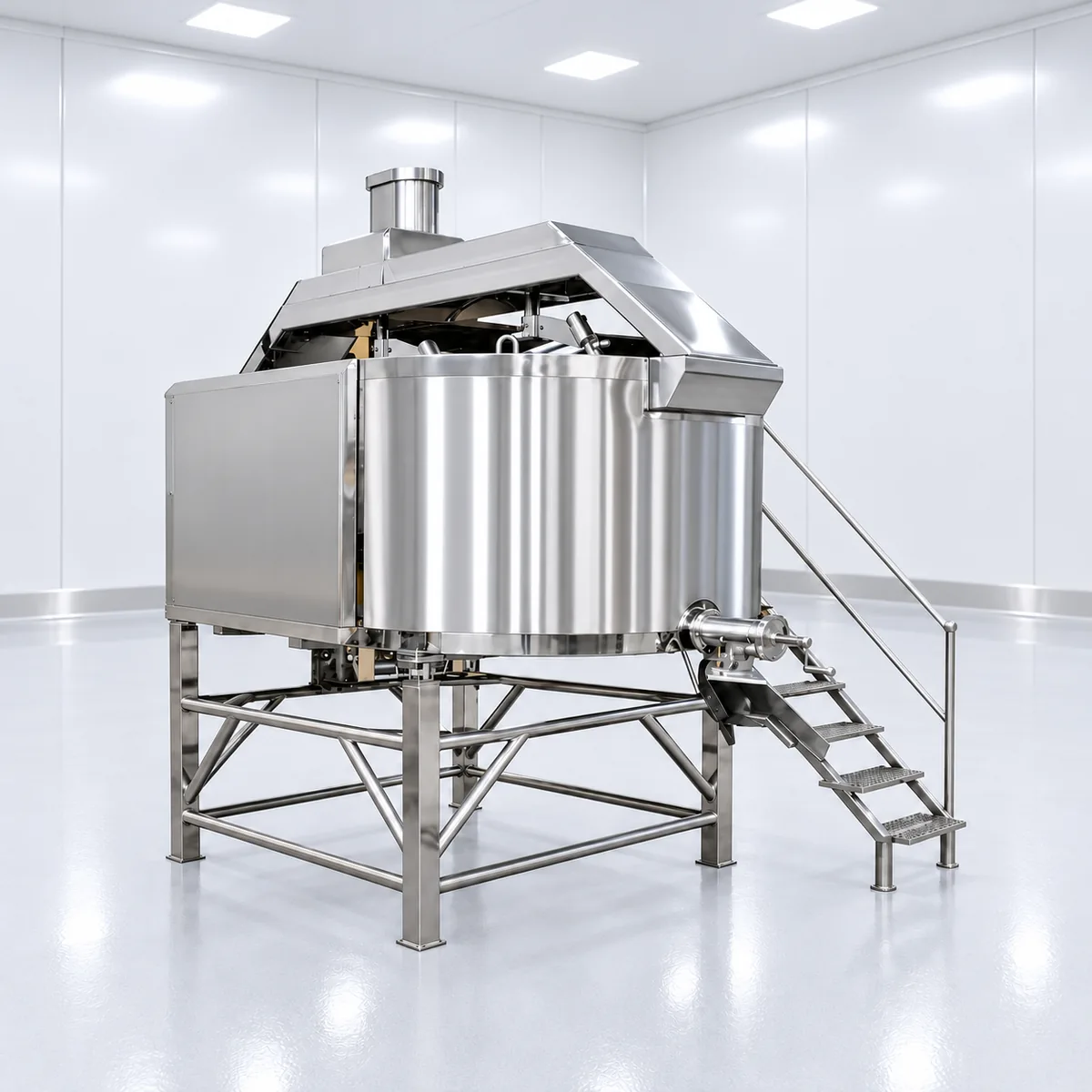
Open Queijomatic cheese vat
Automated vat raised on a frame, with access stairs and bottom discharge, for setting milk and cutting and stirring the curd.
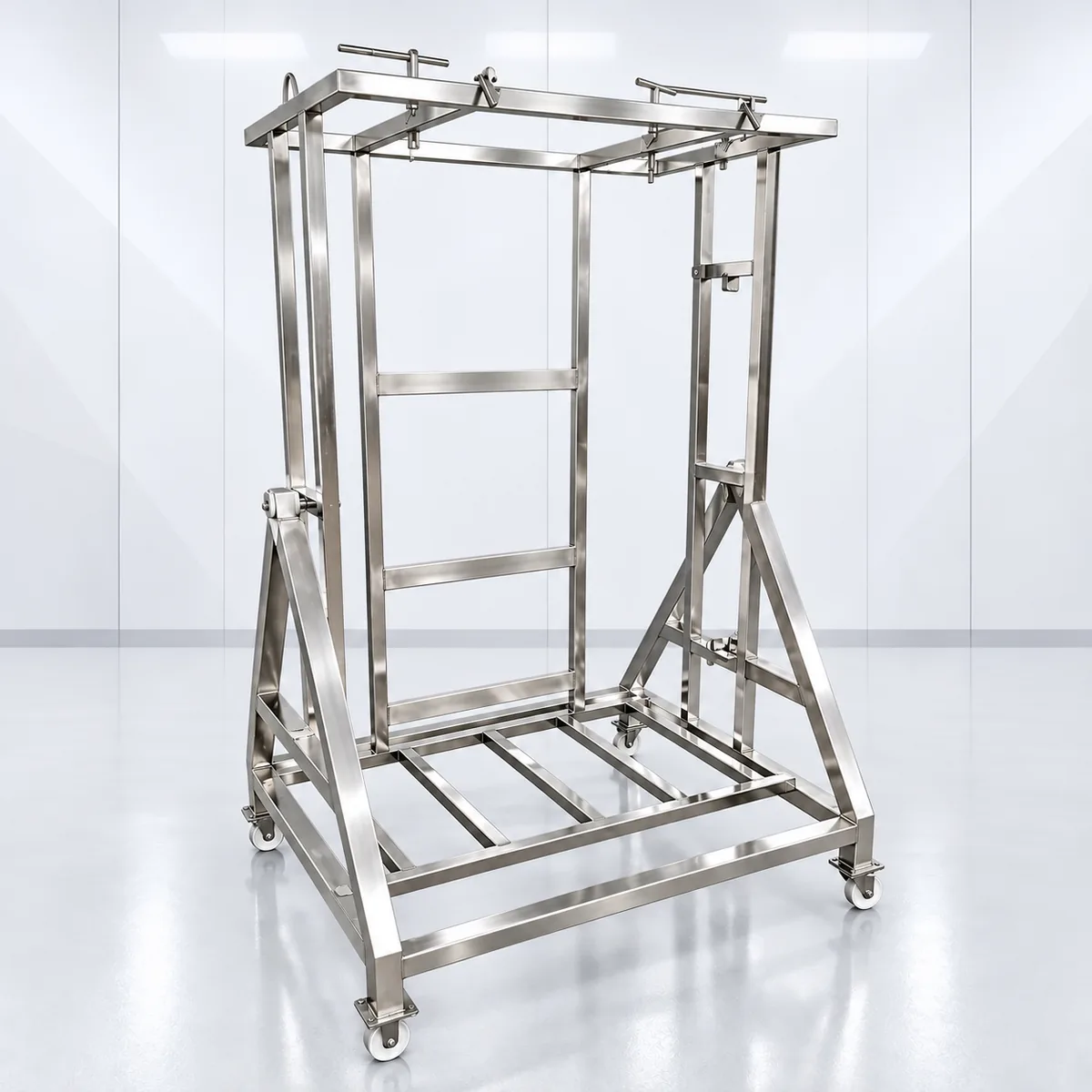
Tilting fresh cheese cart
Moves fresh cheese curd, molds or utensils between stages and unloads everything at once by tipping its pivoting frame.
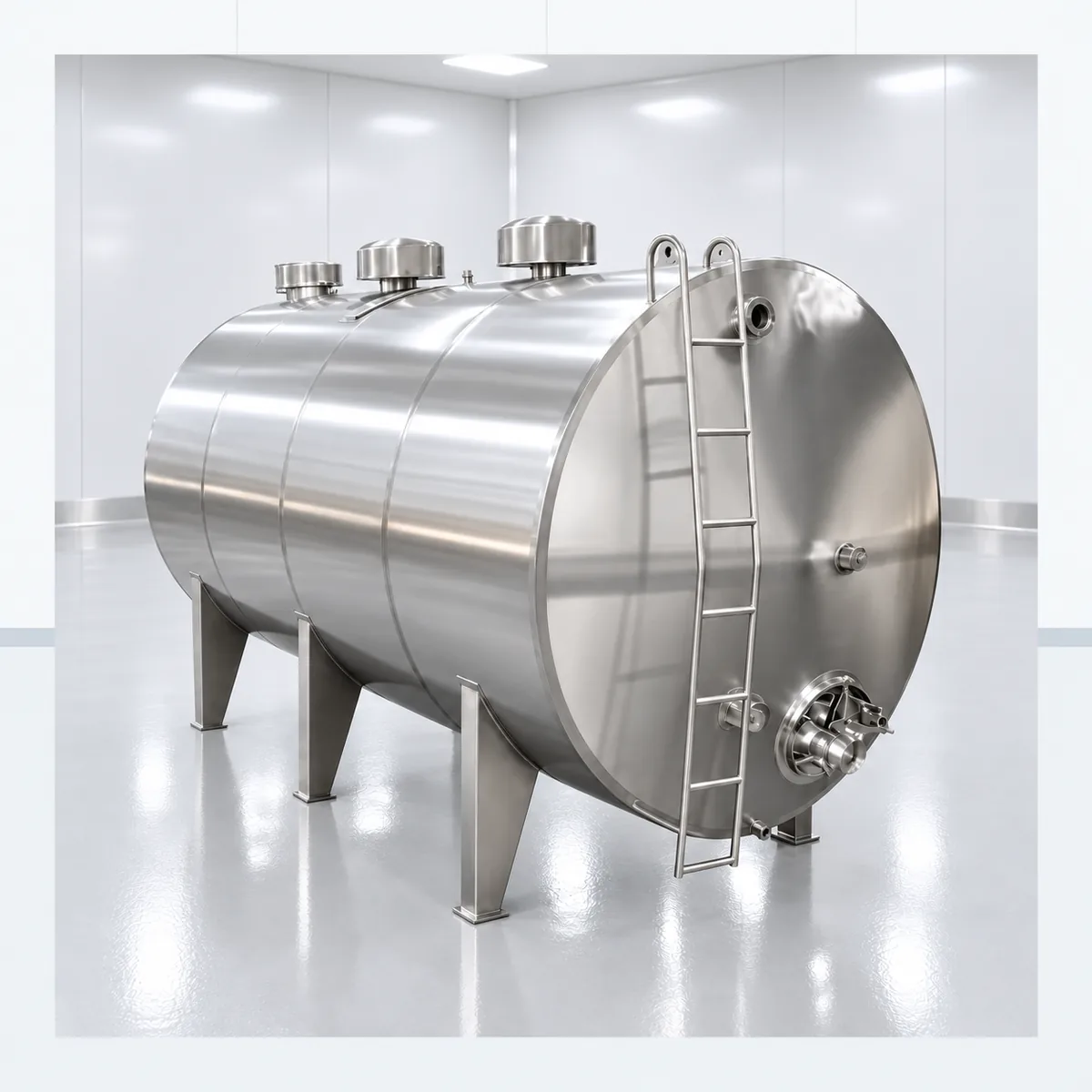
Milk storage tank
Horizontal stainless steel tank that holds milk between reception and processing in dairies and cheese plants.
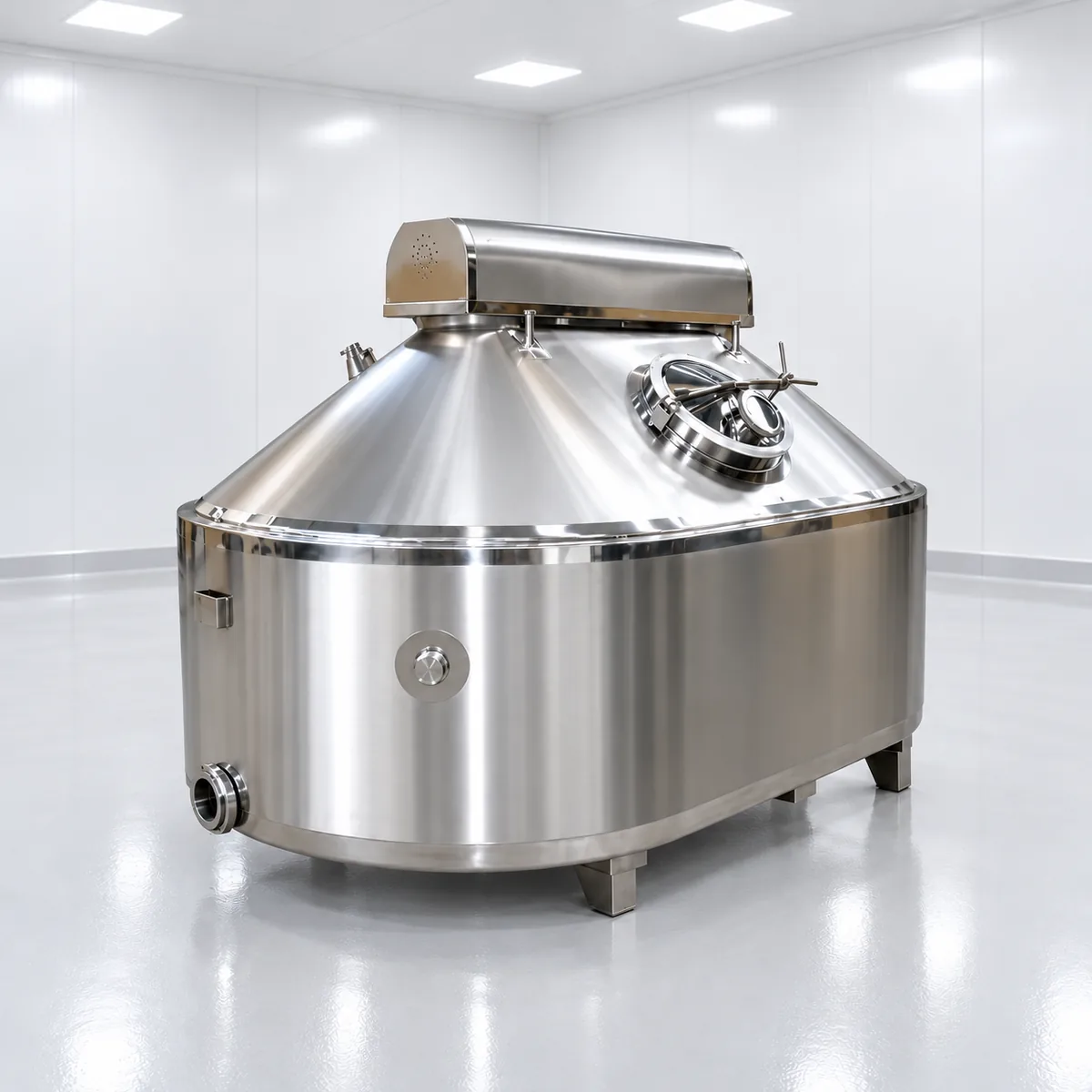
Enclosed Queijomatic cheese vat
Fully enclosed automated vat with a lid and manway that sets the milk and cuts, stirs and heats the curd.
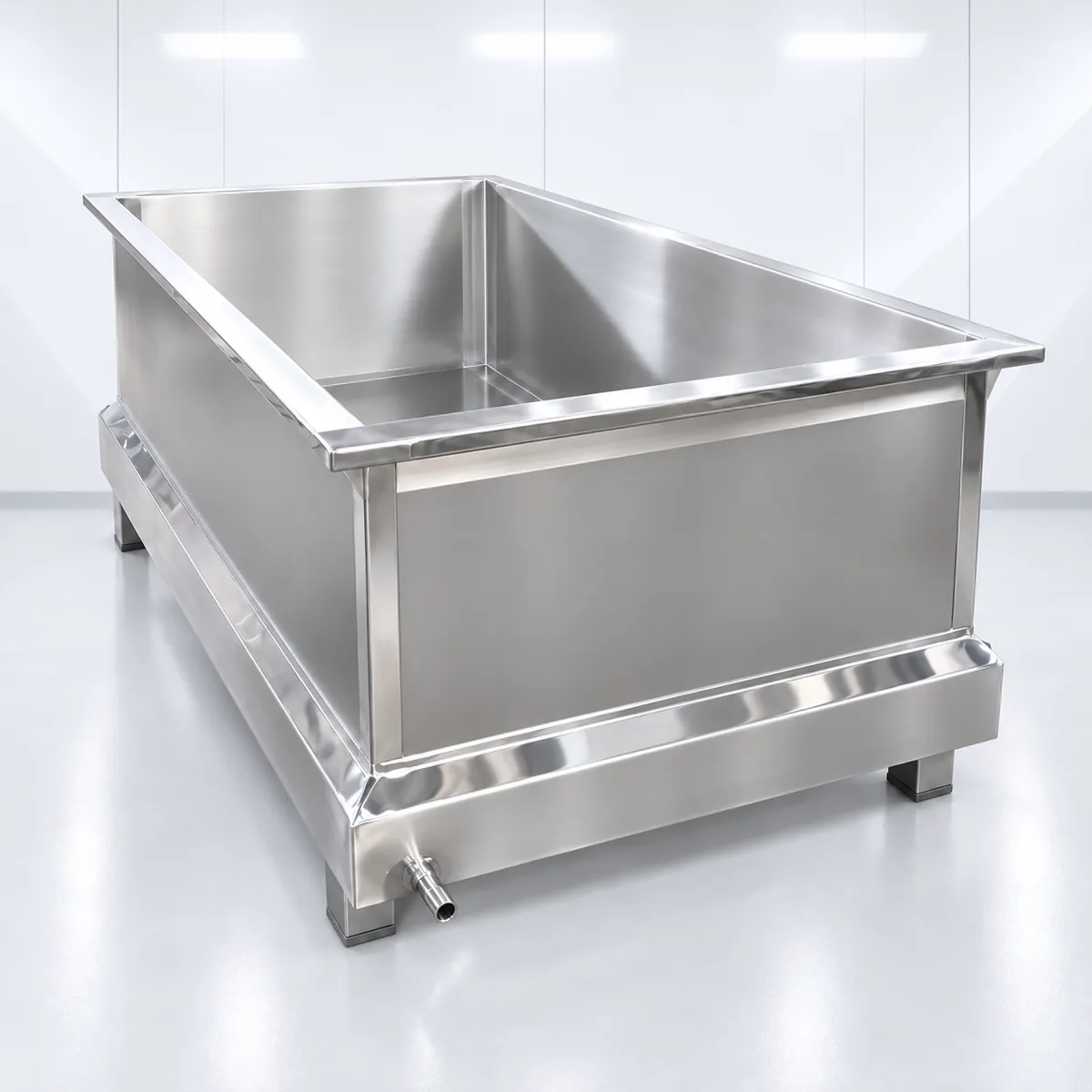
Low-jacket cheese vat
Rectangular AISI 304 stainless steel vat with a heating jacket at the bottom, for setting, cutting and stirring curd.
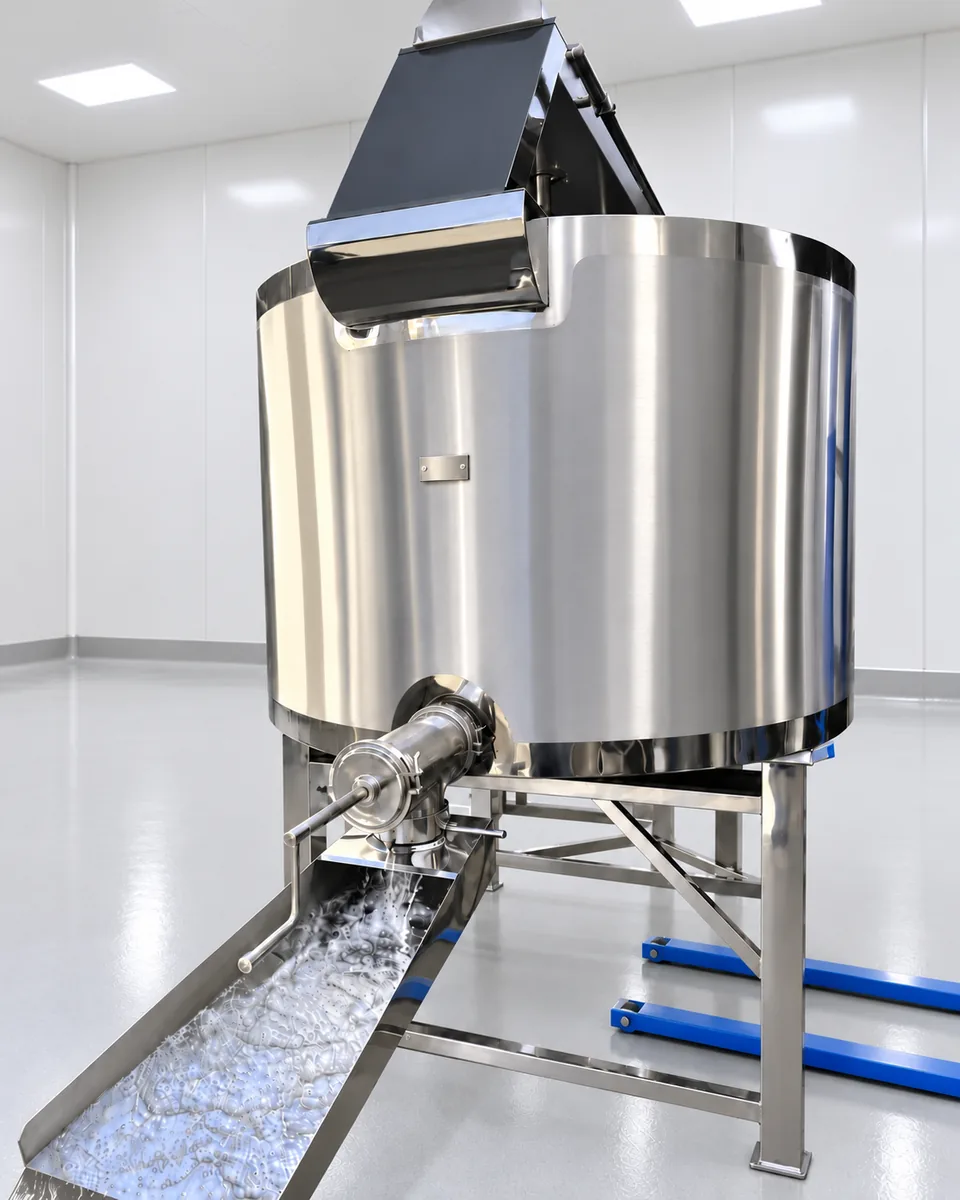
Queijomatic cheese vat
Tall, raised cylindrical vat that sets the milk, cuts and stirs the curd and discharges curd and whey into a chute.
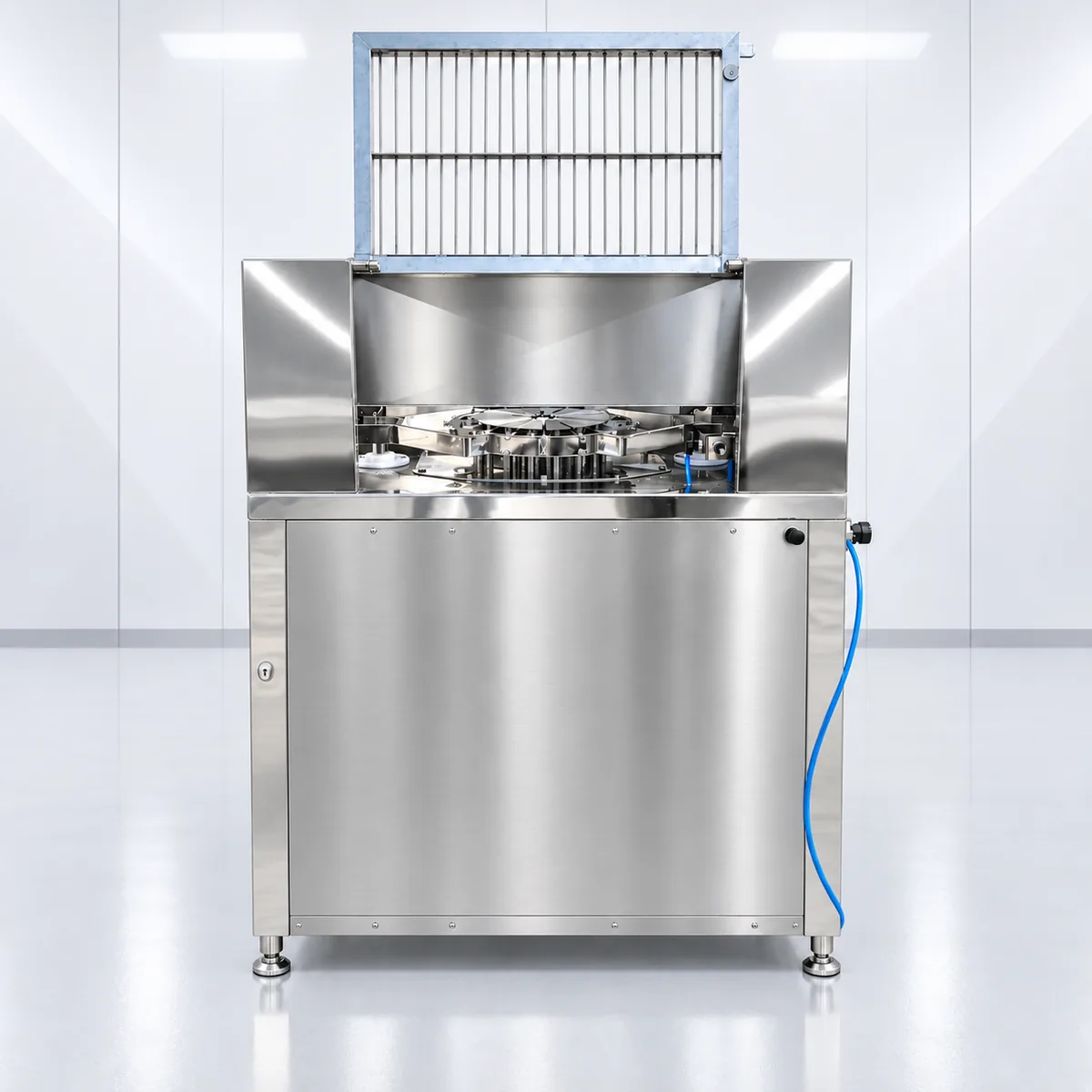
Pneumatic Parmesan portion cutter
Cuts a round wheel of Parmesan into equal wedges with a set of radial blades driven by compressed air.
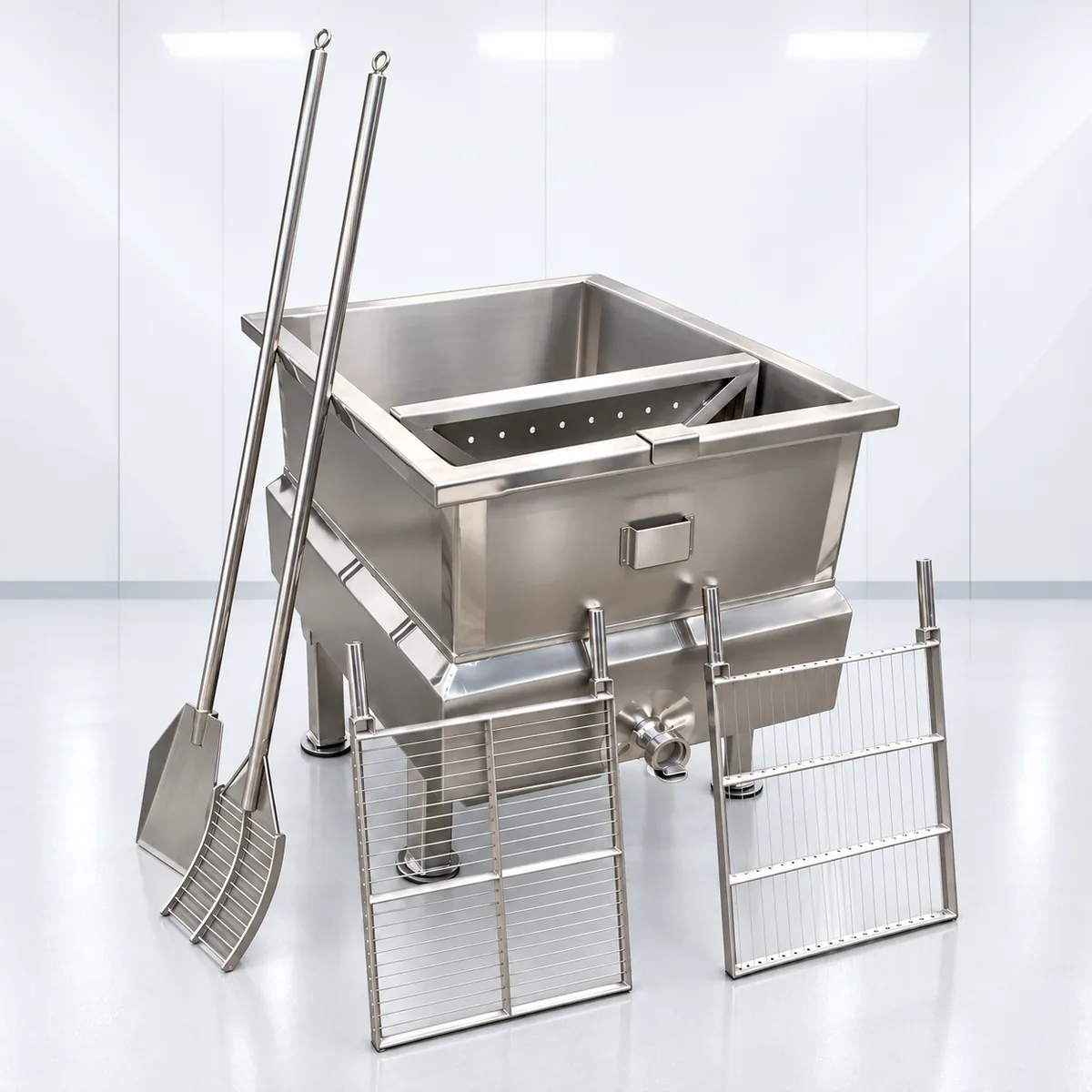
Cheesemaking equipment set
A vat with a whey divider, a pair of curd harps and stirring paddles: what you need to set, cut, stir and drain curd.
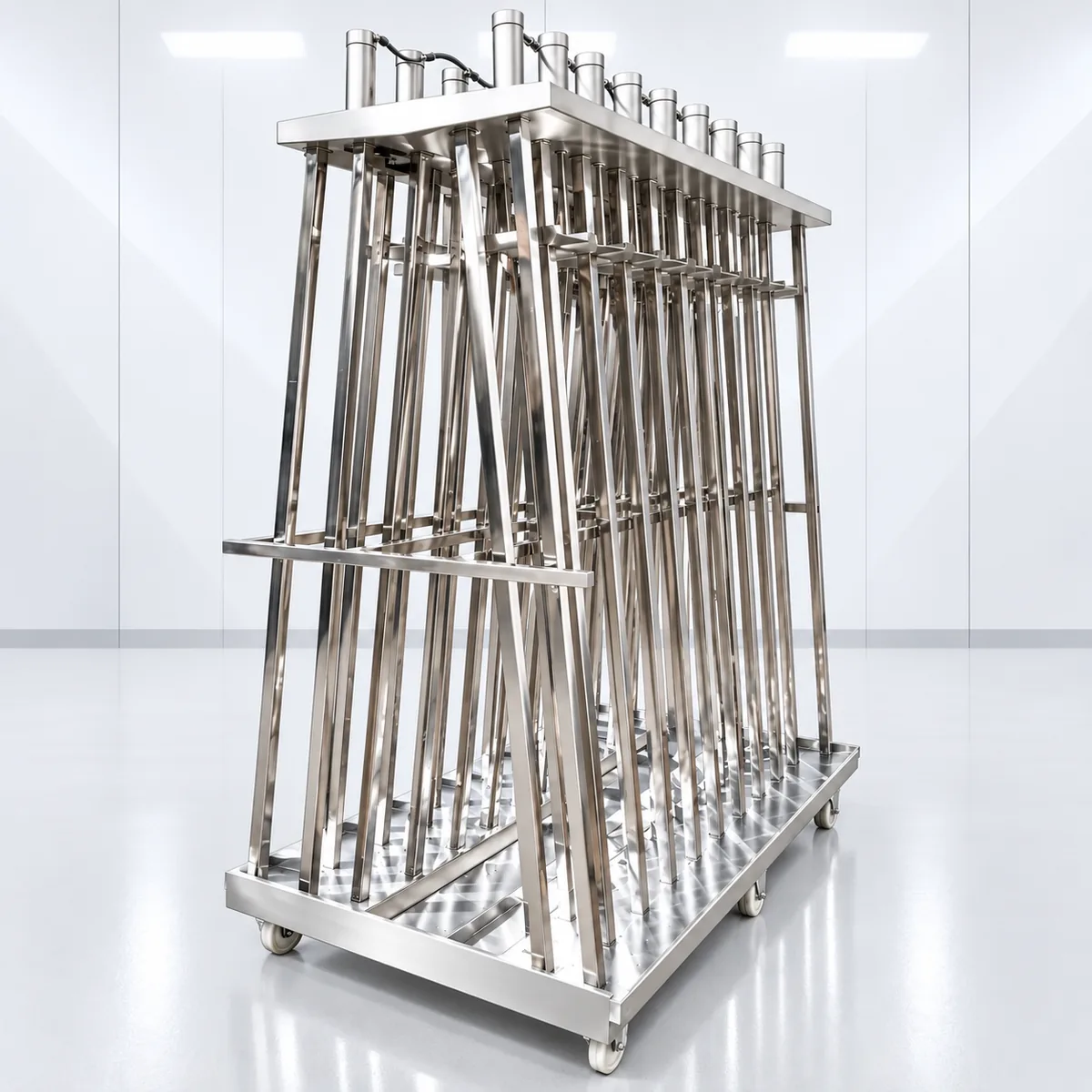
Pneumatic cheese press
Presses cheese in its molds with compressed-air cylinders to expel the whey and set the shape.
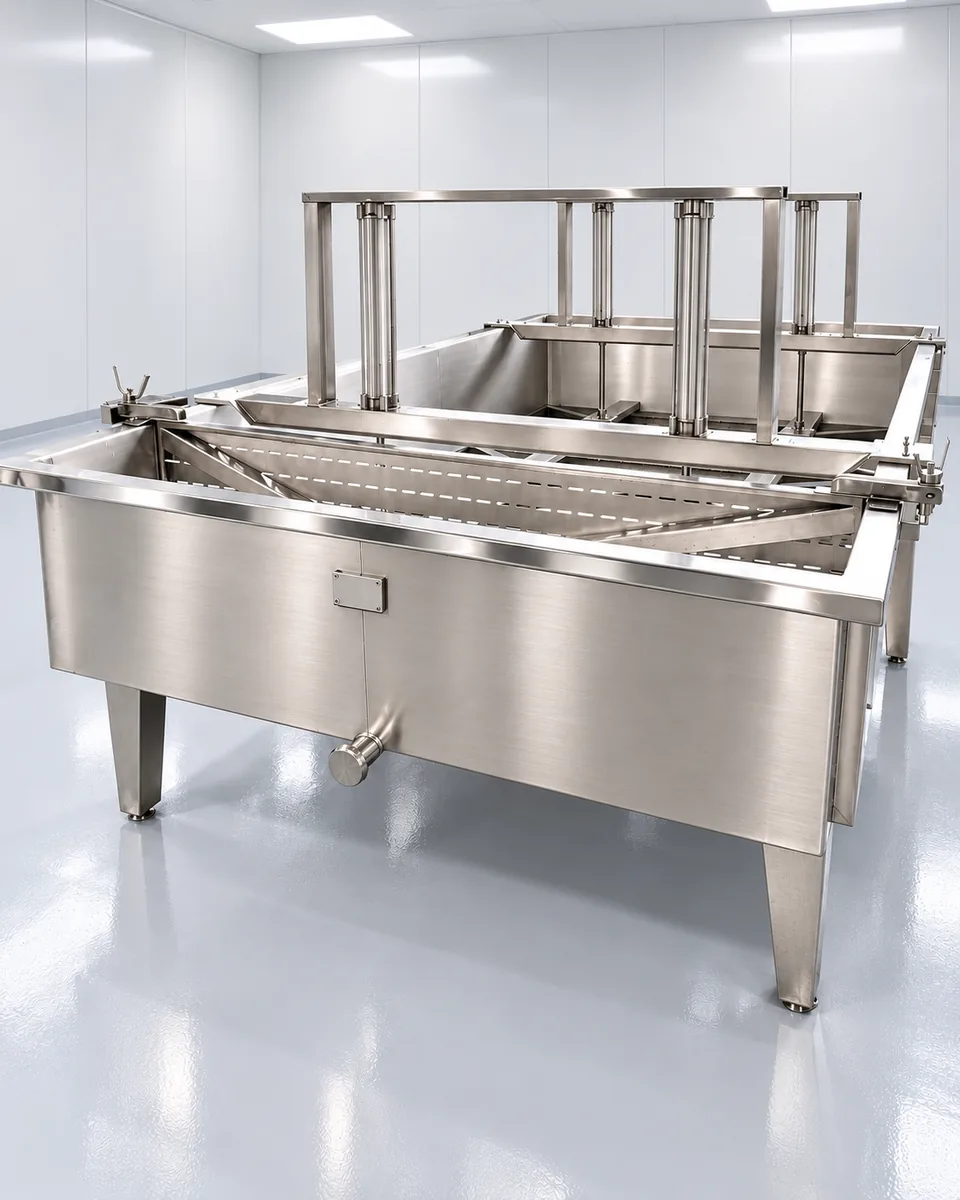
Cheese draining and pre-press vat
Drains the whey and pre-presses the curd into an even block, ready to cut and fill into molds.
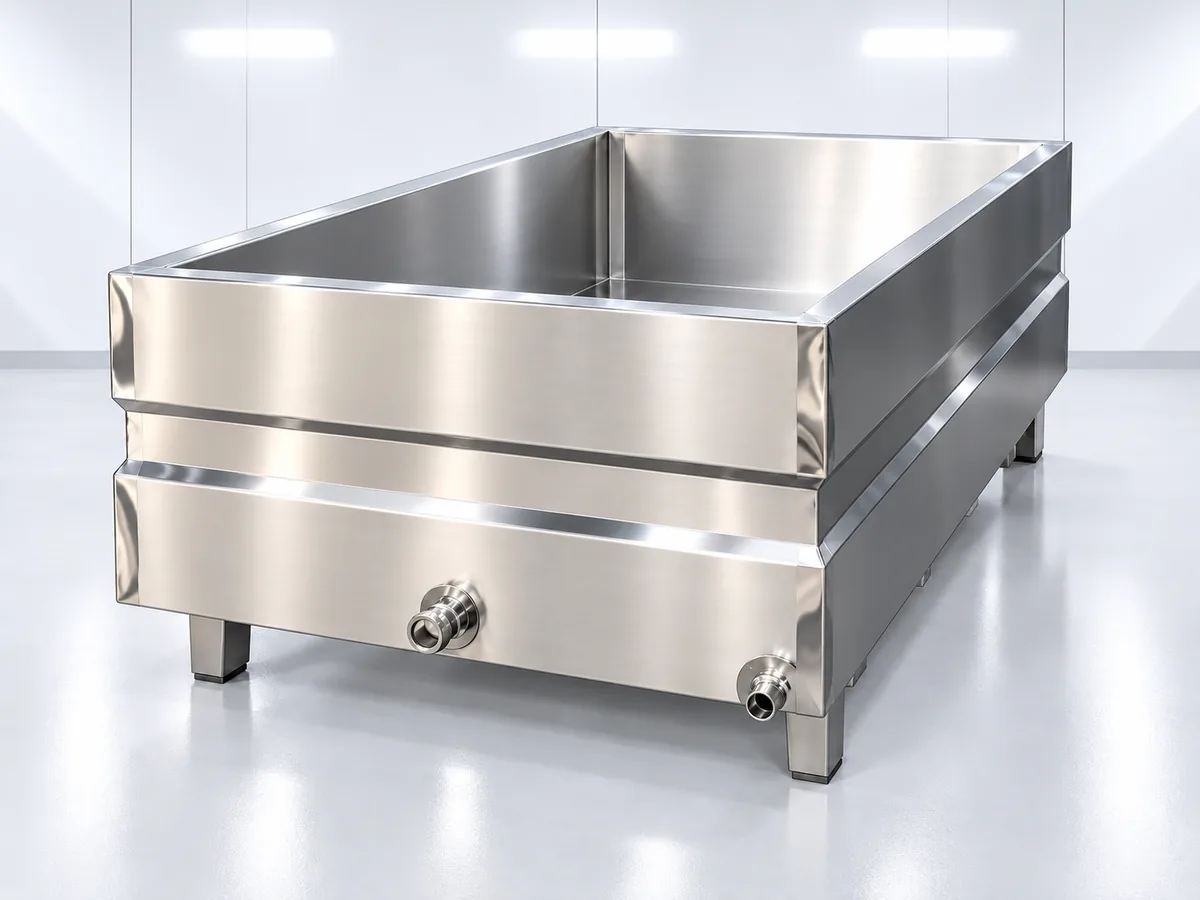
High-jacket cheese vat
Rectangular stainless steel vat with a jacket that rises almost to the rim, for heating, setting, cutting and working curd.
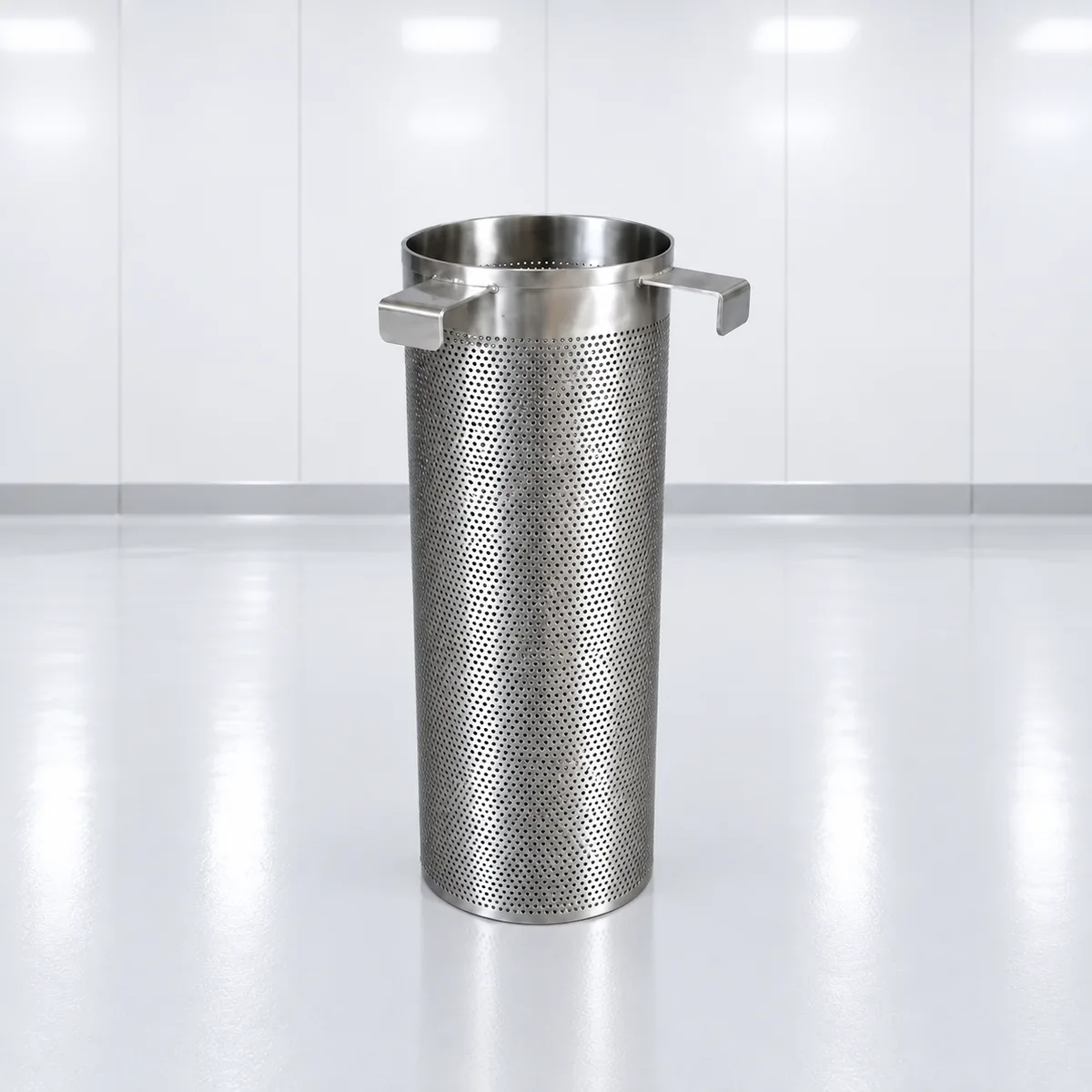
Whey filter
A tall perforated stainless steel basket that catches curd fines as whey is drained from the cheese vat.
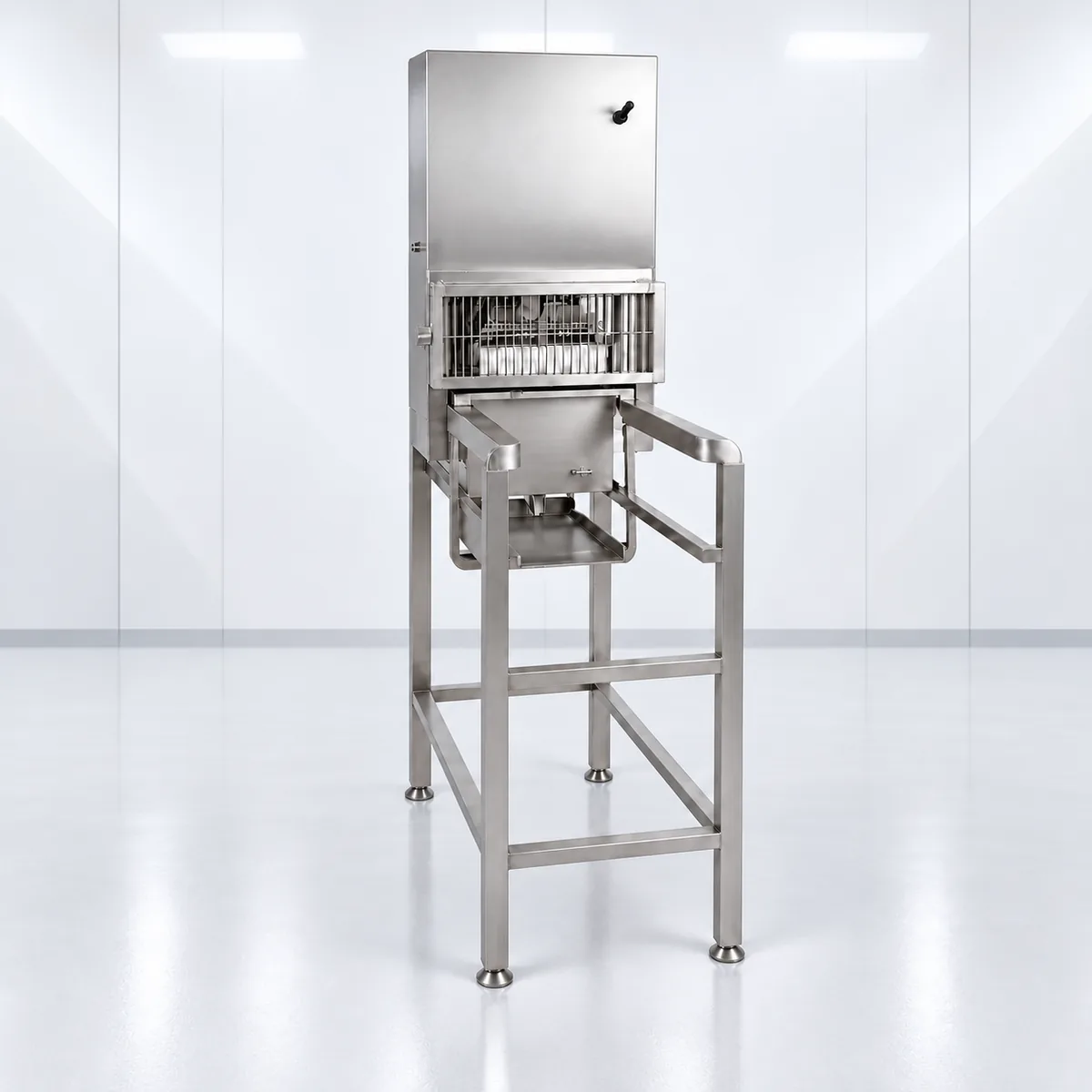
Queijo coalho portion cutter
Cuts blocks of queijo coalho, the Brazilian grilling cheese, into sticks and bars of the same size.
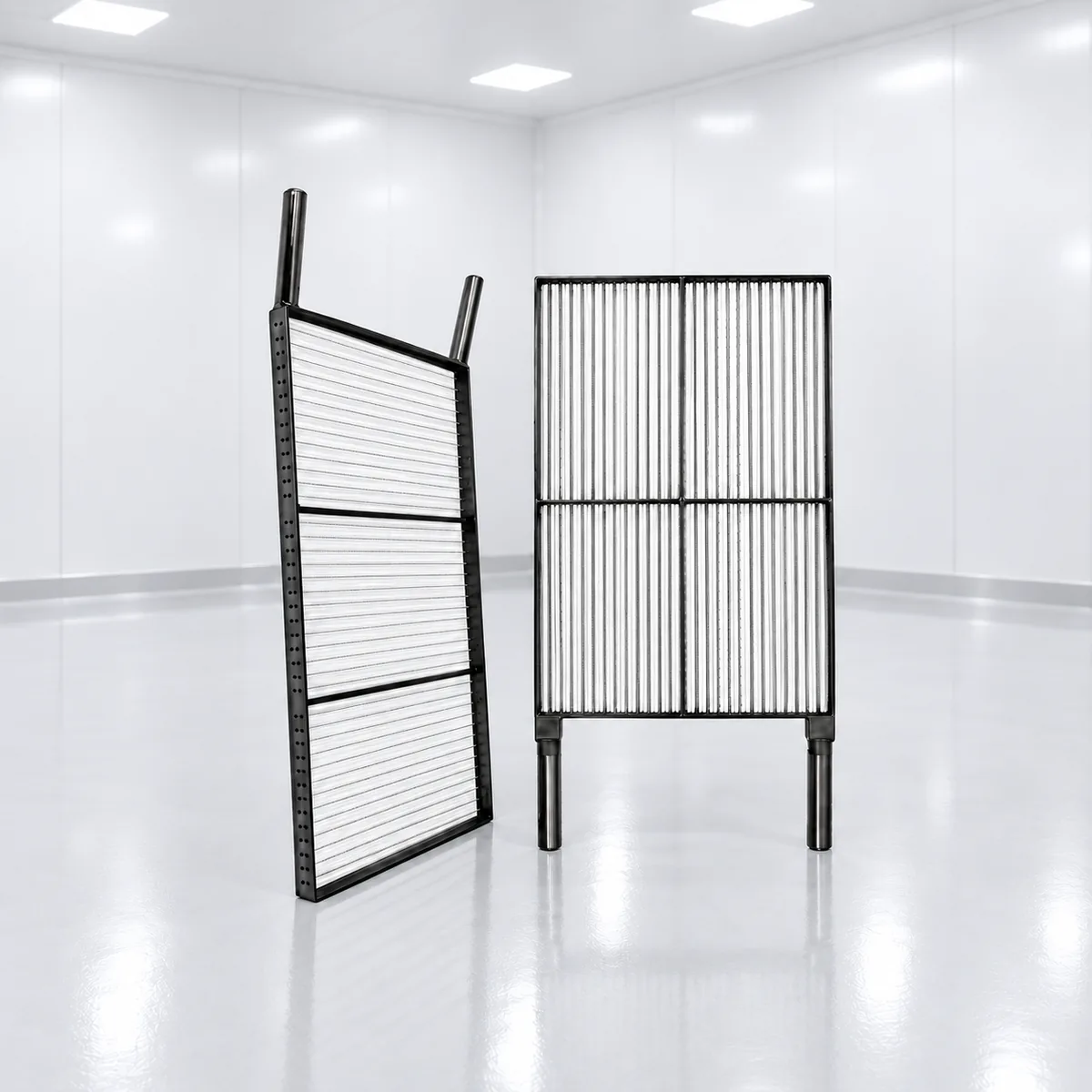
Curd-cutting harp
A pair of harps, with horizontal and vertical wires, that cuts the curd into even cubes inside the cheese vat.
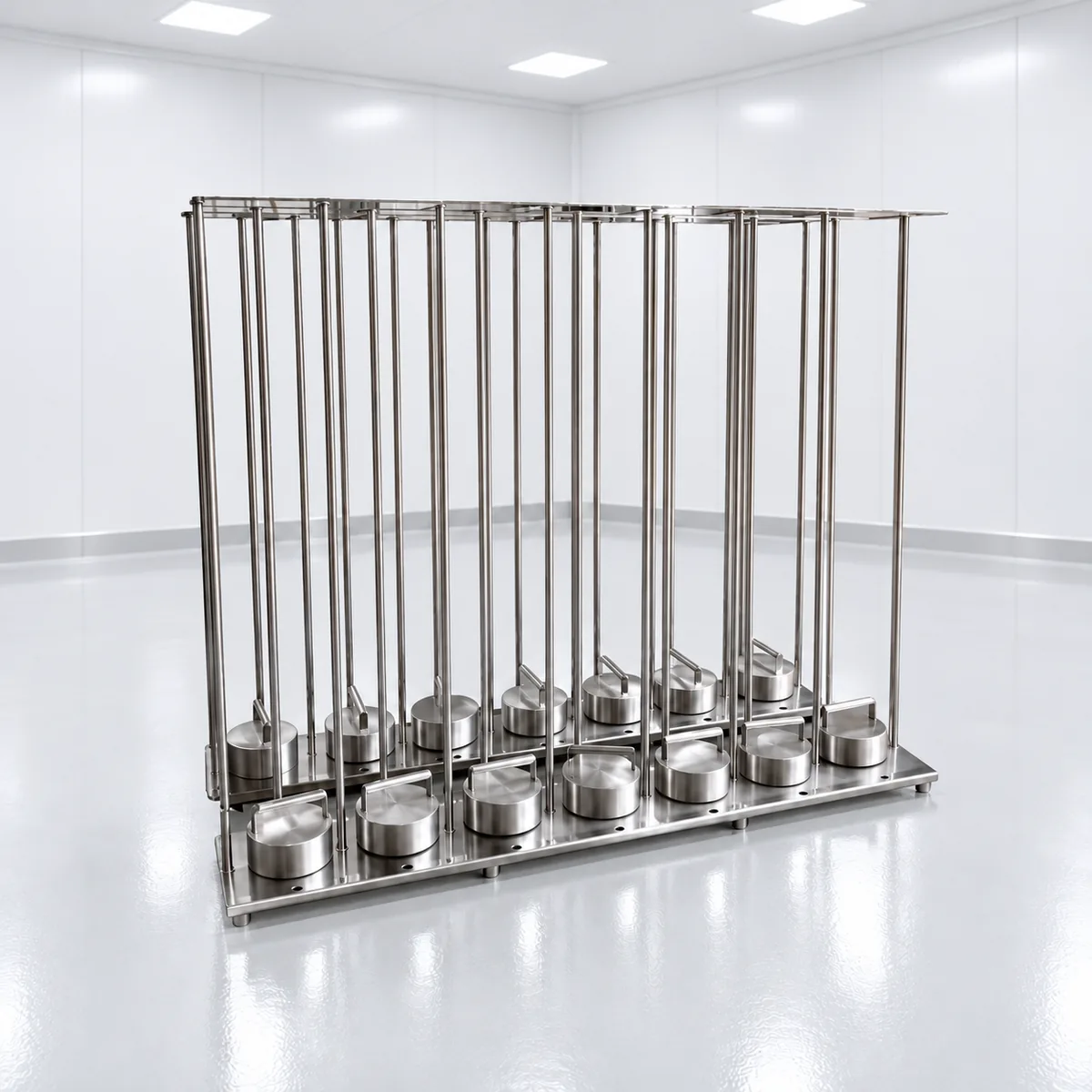
Tubular cheese press
Presses cheese in its molds with weights guided by vertical rods, with no compressor or electricity.
Dulce de leche and requeijão processing equipment
Dulce de leche and requeijão (Brazilian cream cheese) are cooked under agitation: the mass needs heat and continuous stirring to concentrate, melt or homogenize without sticking to the bottom.
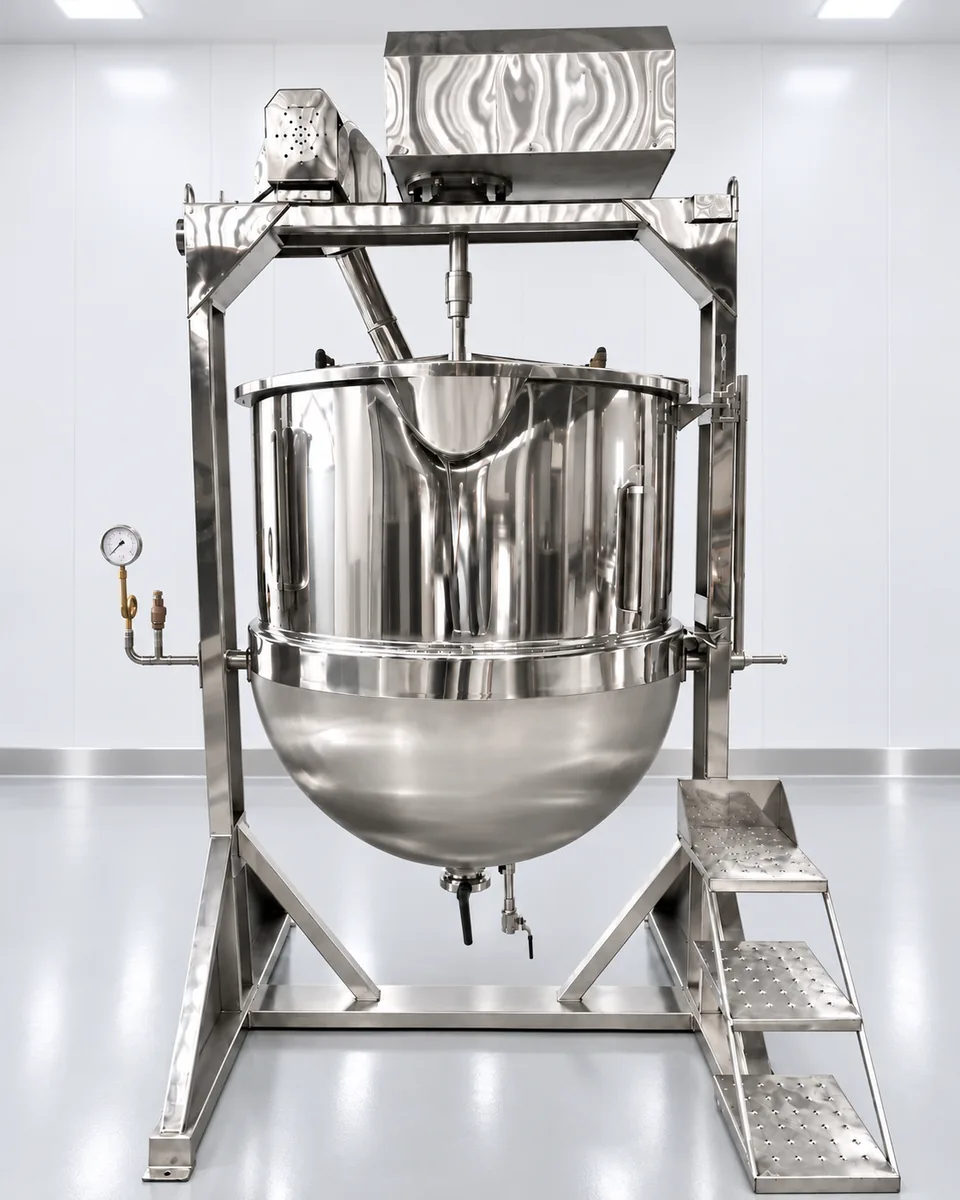
Industrial dulce de leche kettle
Cooks and concentrates spreadable or sliceable dulce de leche, fruit preserves and fillings under constant stirring.
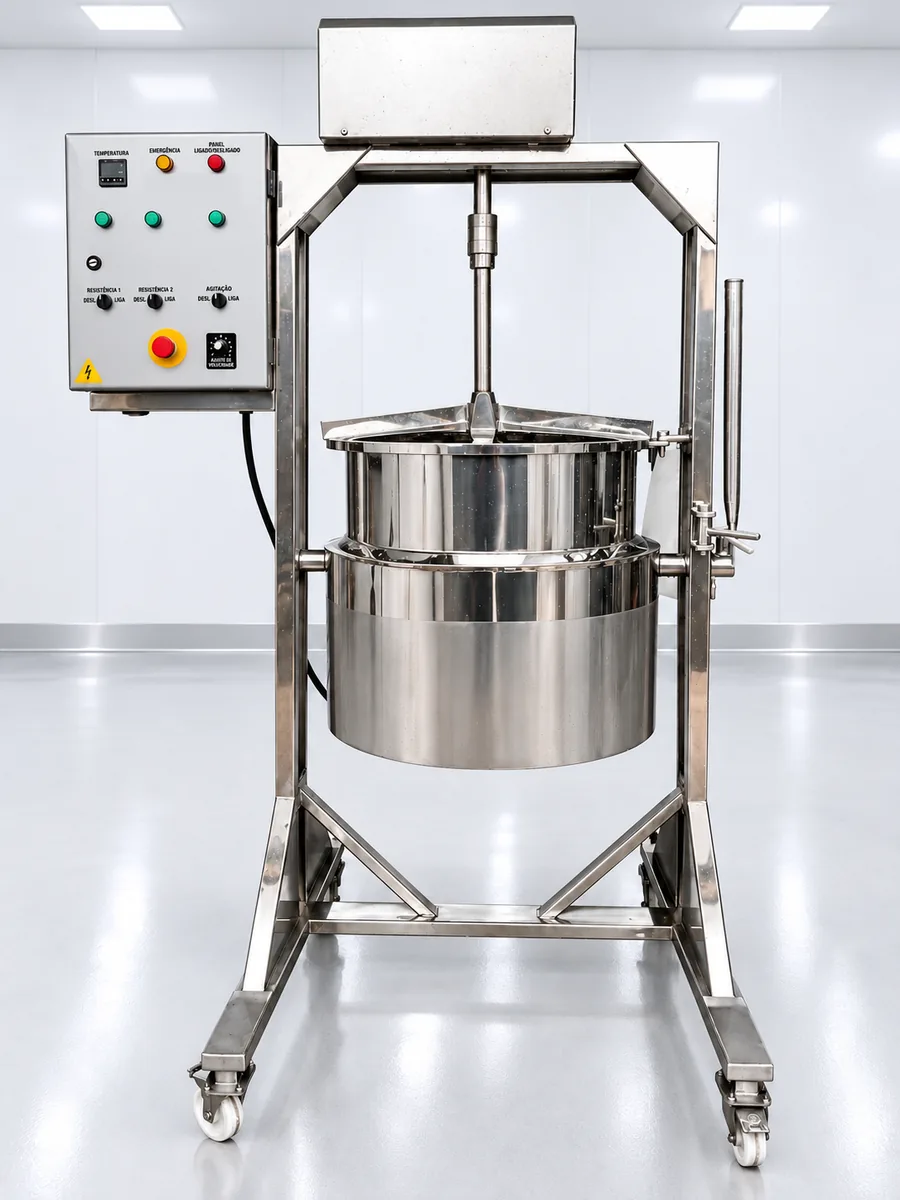
Electric confectionery kettle
Cooks dulce de leche, fruit preserves and fillings with electric heating elements and constant stirring, with no boiler.
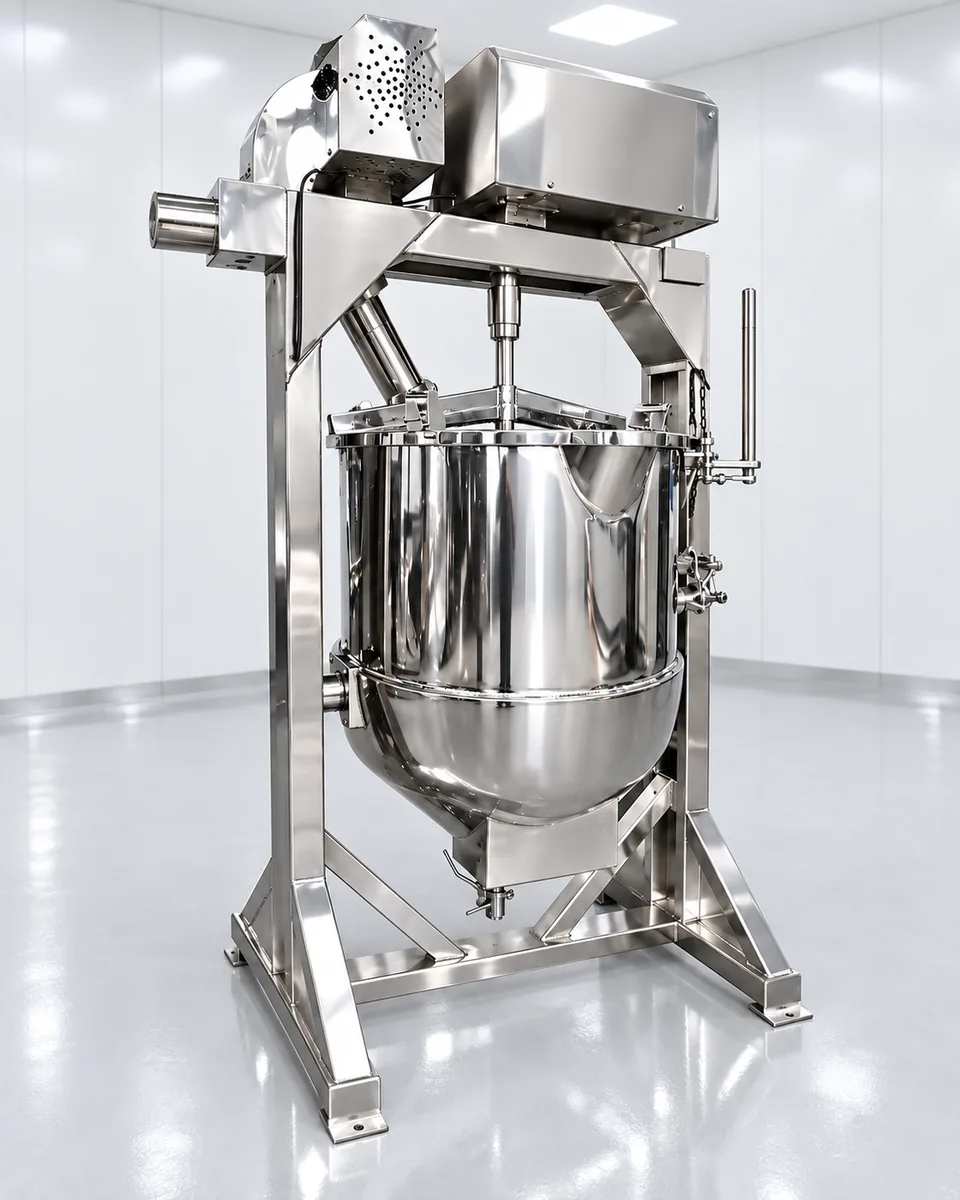
Conical-bottom confectionery kettle
Cooks and concentrates dulce de leche, fruit preserves and thick fillings; the cone bottom channels the mass to the outlet.
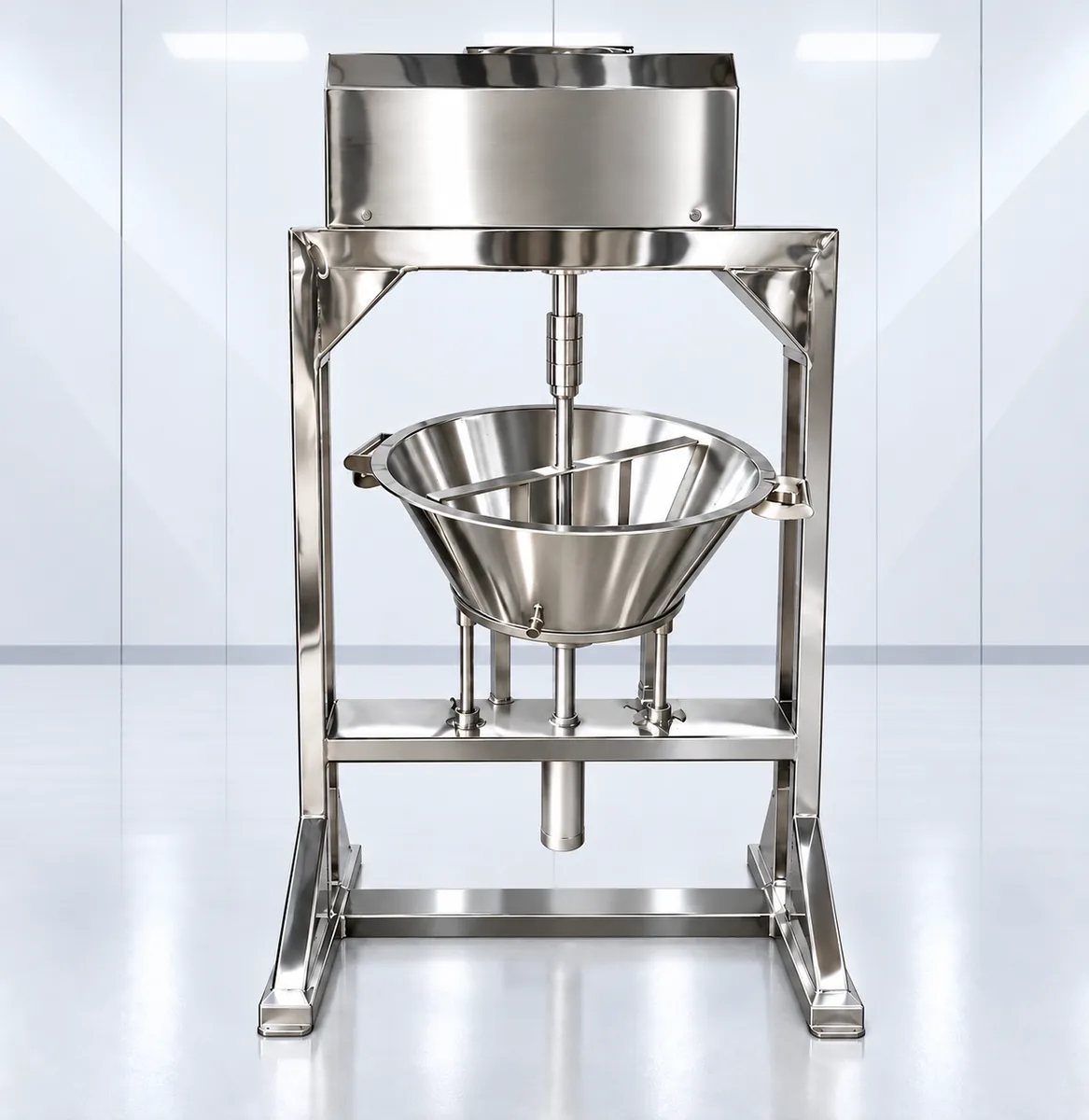
Confectionery beater
Beats concentrated dulce de leche from the kettle to a sliceable or moldable texture before it goes into molds.
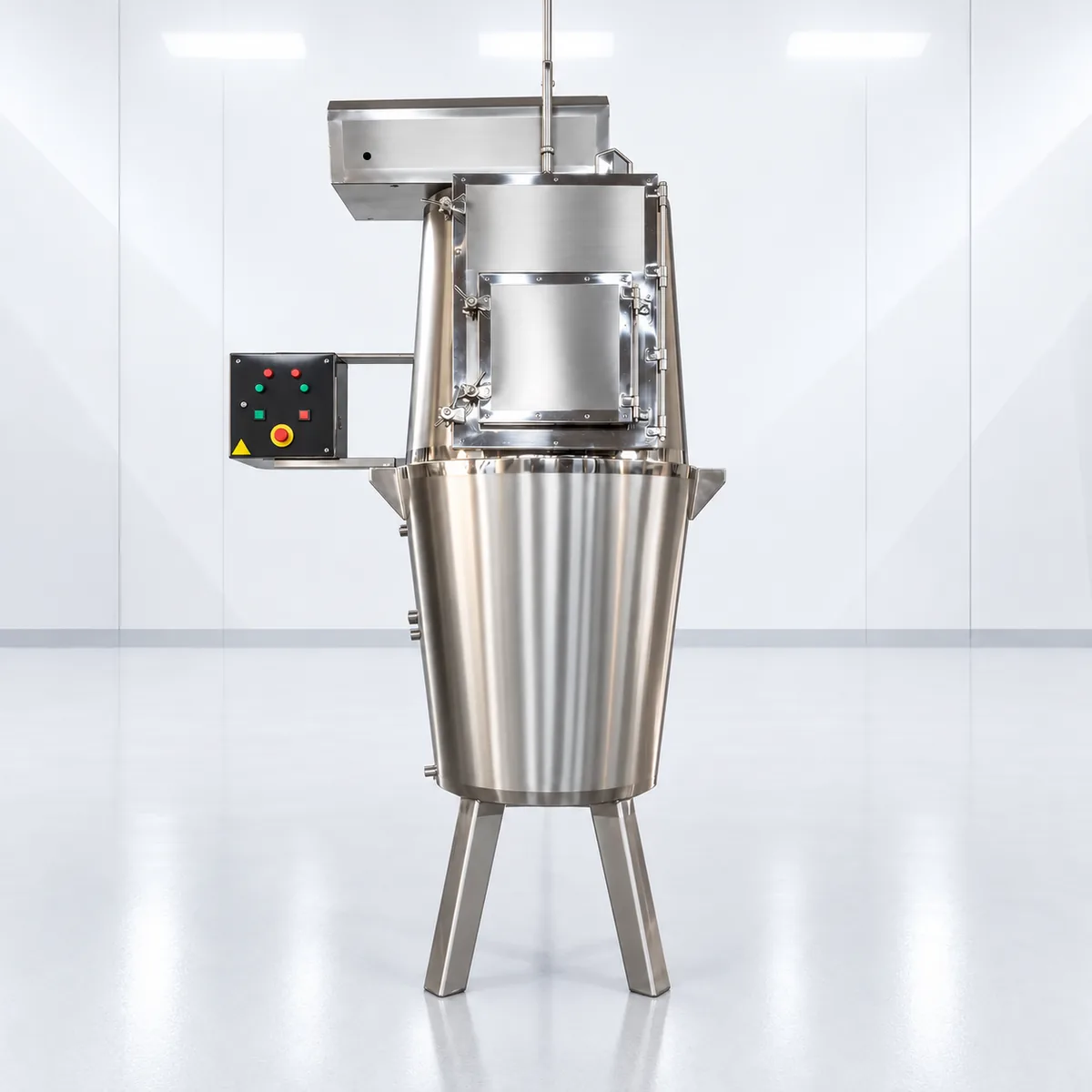
Enclosed kettle for culinary requeijão
Heats, mixes and homogenizes culinary requeijão, the firm Brazilian cream cheese, and other viscous foods in an enclosed kettle.
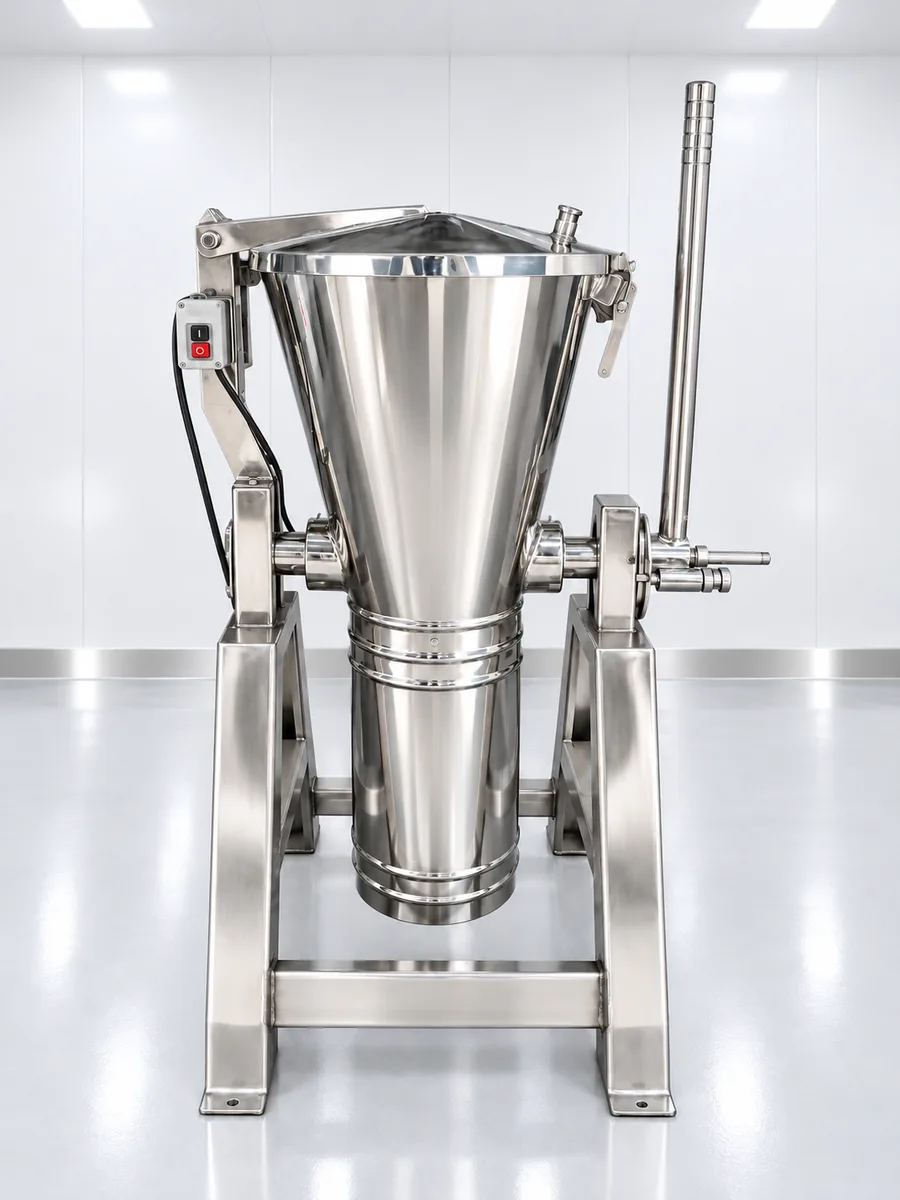
Industrial blender for creamy requeijão
Uses shear and mixing to break down the curd and homogenize the ingredients of creamy requeijão in a tilting jar.
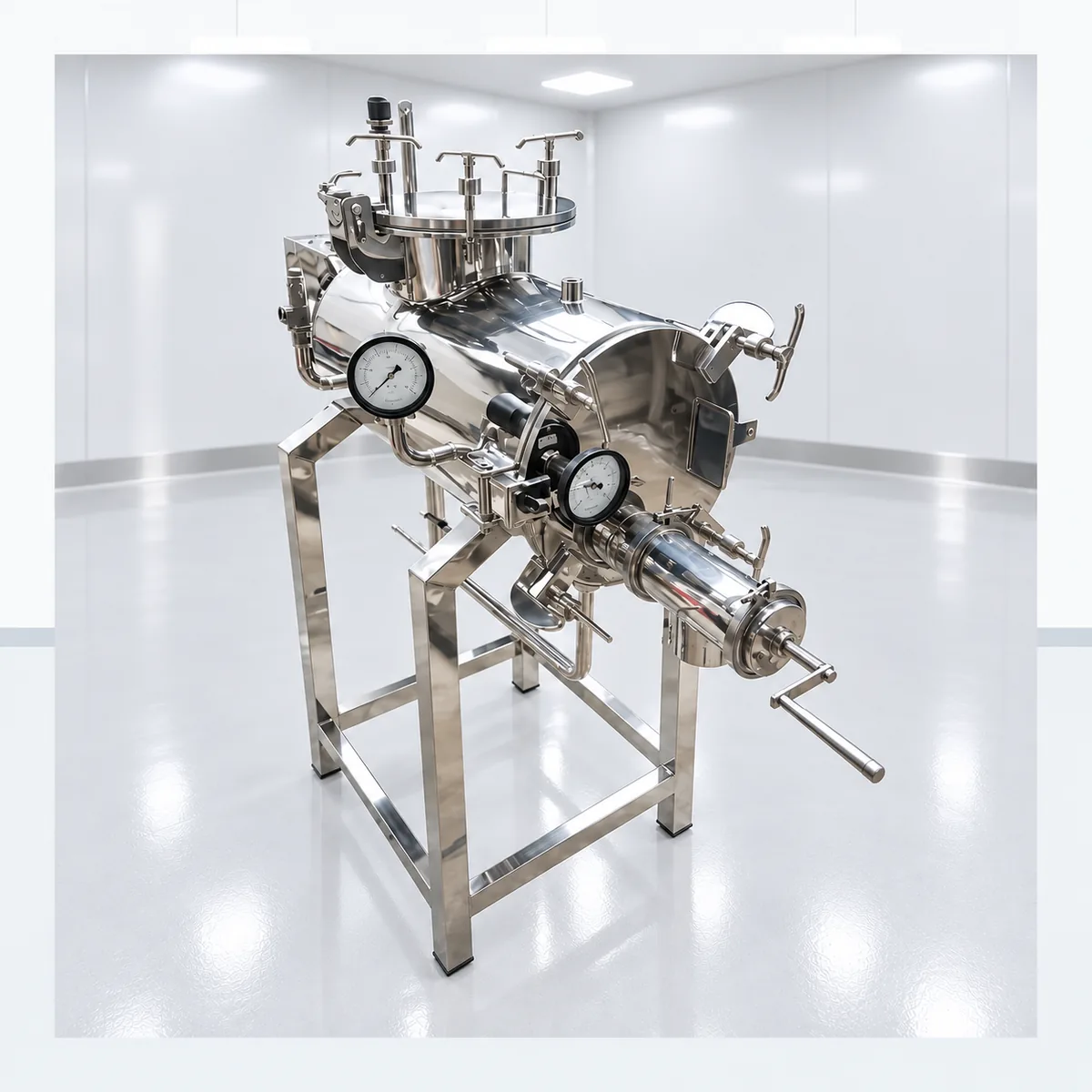
Requeijão processing machine
Mixes and homogenizes the curd and other ingredients of requeijão, Brazil's cream cheese, in a closed horizontal chamber.
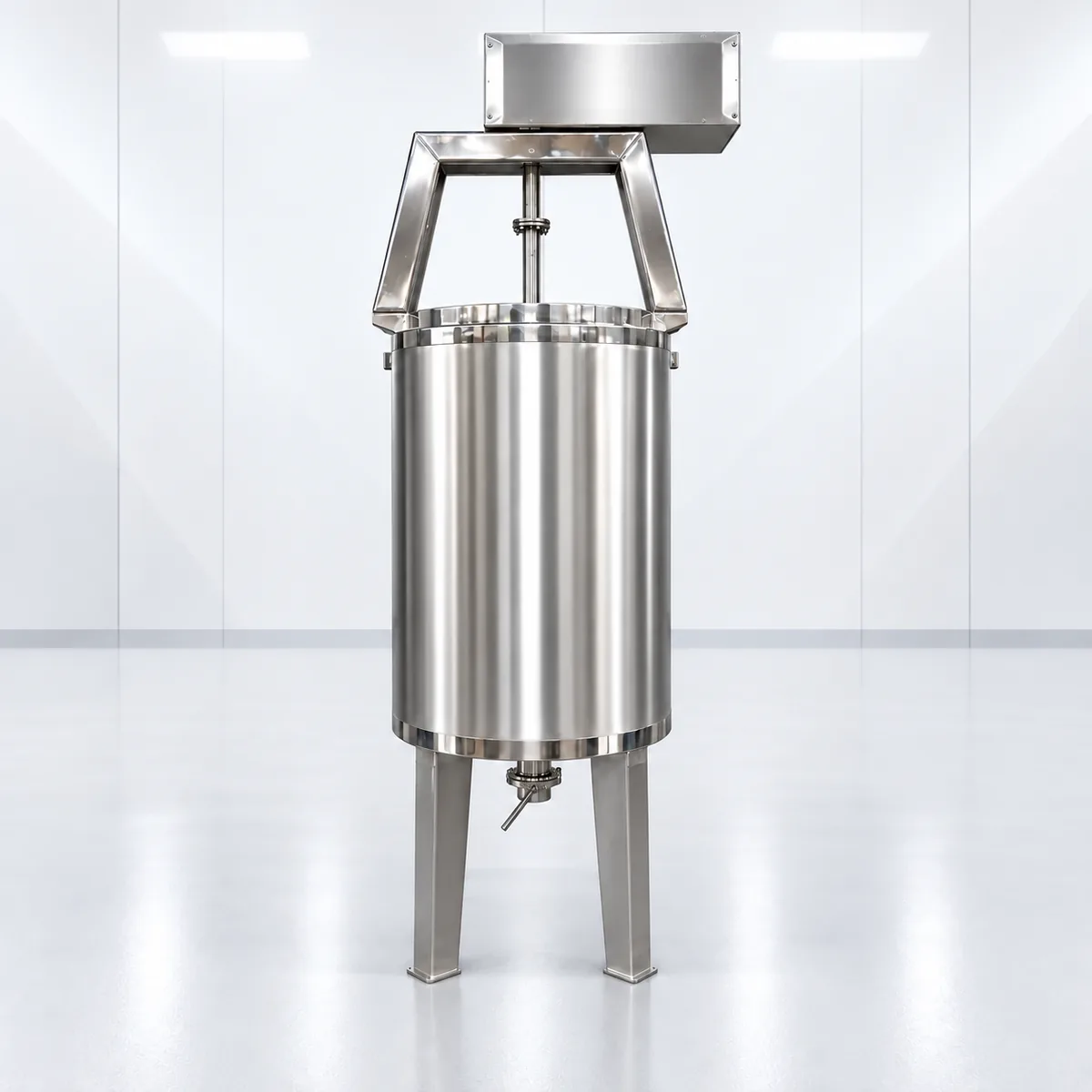
Open kettle for culinary requeijão
Heats, melts and mixes the ingredients of culinary requeijão, the firm Brazilian cream cheese, with direct access to the mass.
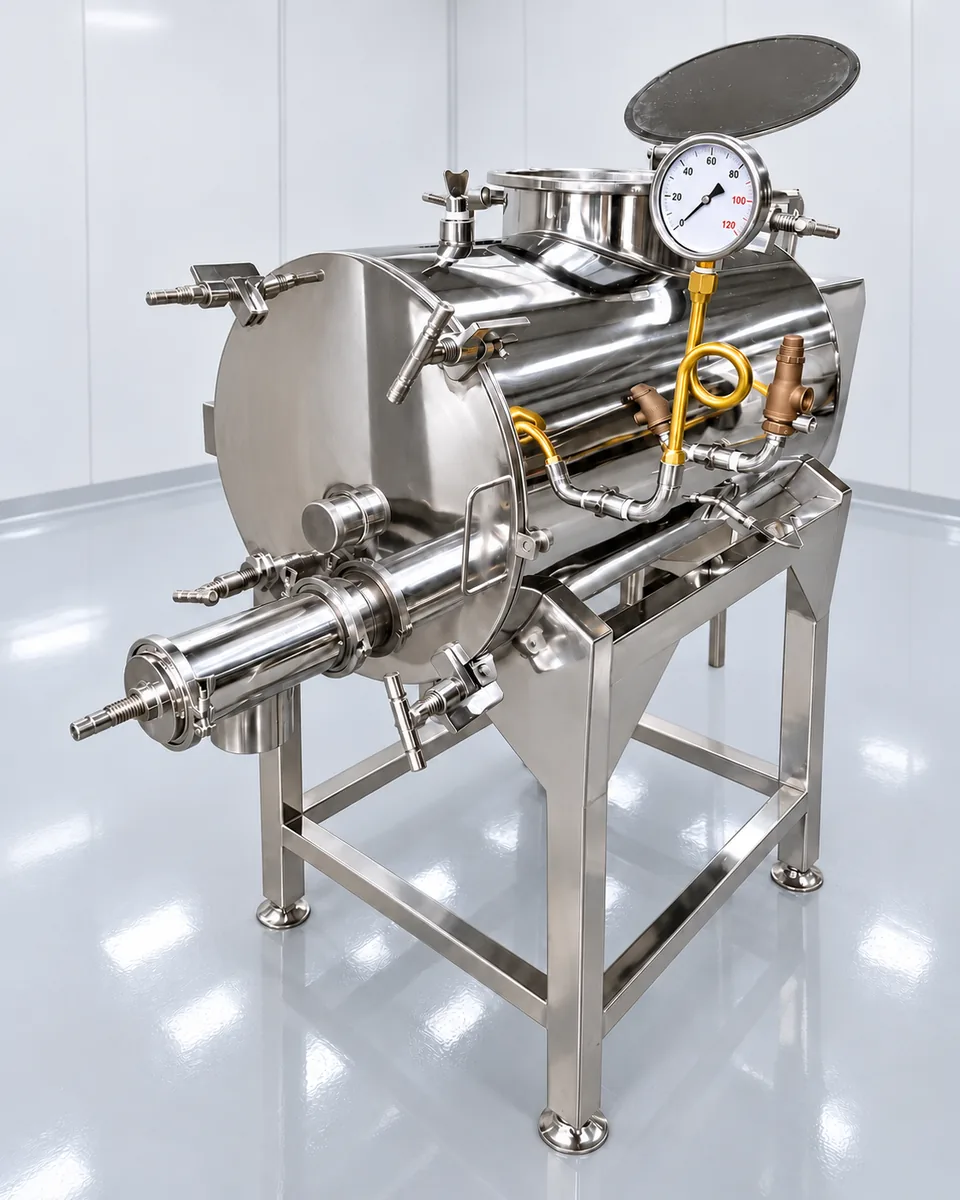
Blade mixer for creamy requeijão
Works the protein curd with a reinforced blade and shaft assembly while incorporating cream and the other ingredients of creamy requeijão.
Ricotta and fresh cheese equipment
Ricotta makes use of the whey left over from cheesemaking: heated and acidified, the whey proteins flocculate and rise to the surface, where the curd is collected and left to drain.
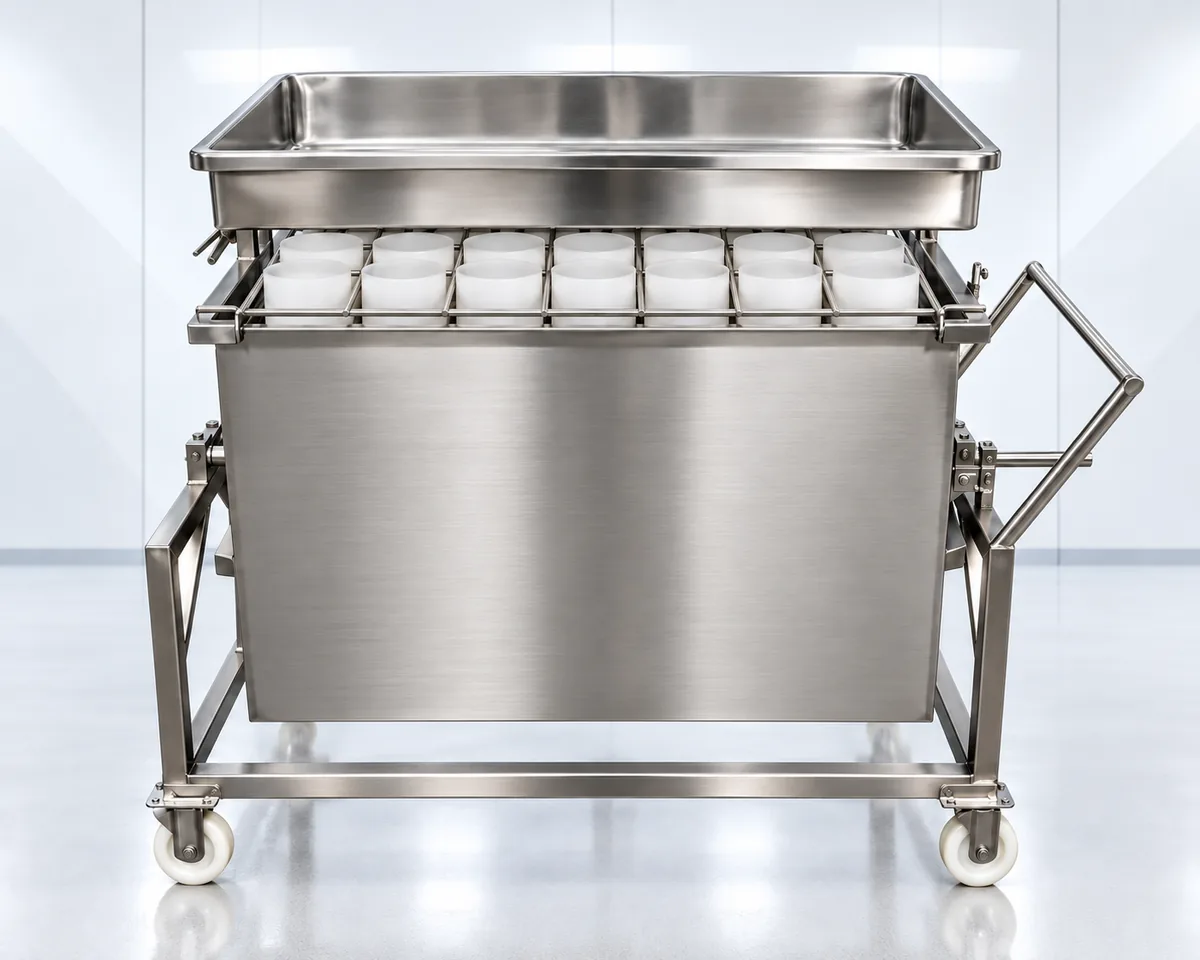
Tilting ricotta cart
Wheeled cart with a tilting body and a rack for ricotta molds, for moving and unloading ricotta.
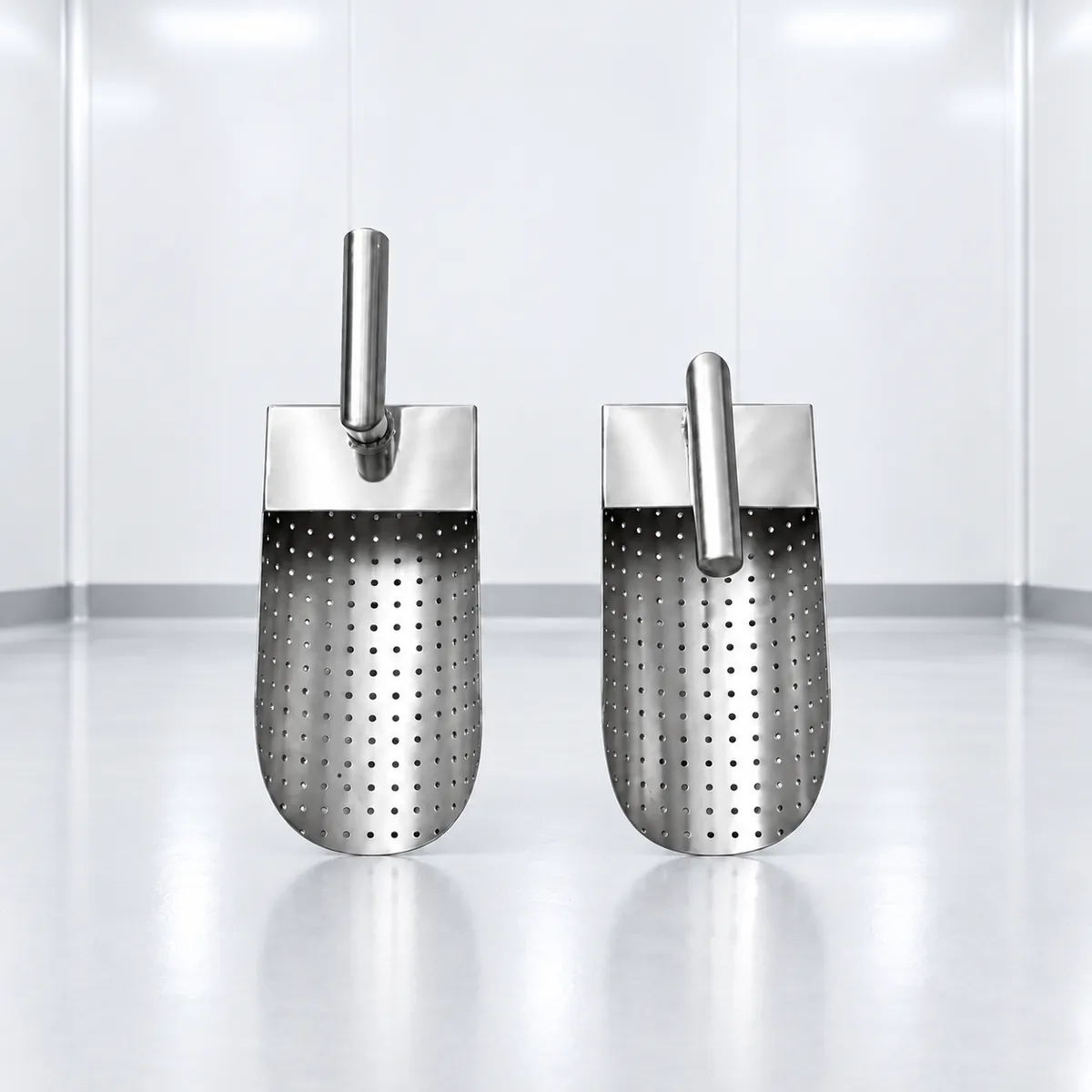
Perforated ricotta scoop
Perforated AISI 304 stainless steel scoop that lifts ricotta curd out of the whey and drains it on the way to the molds.
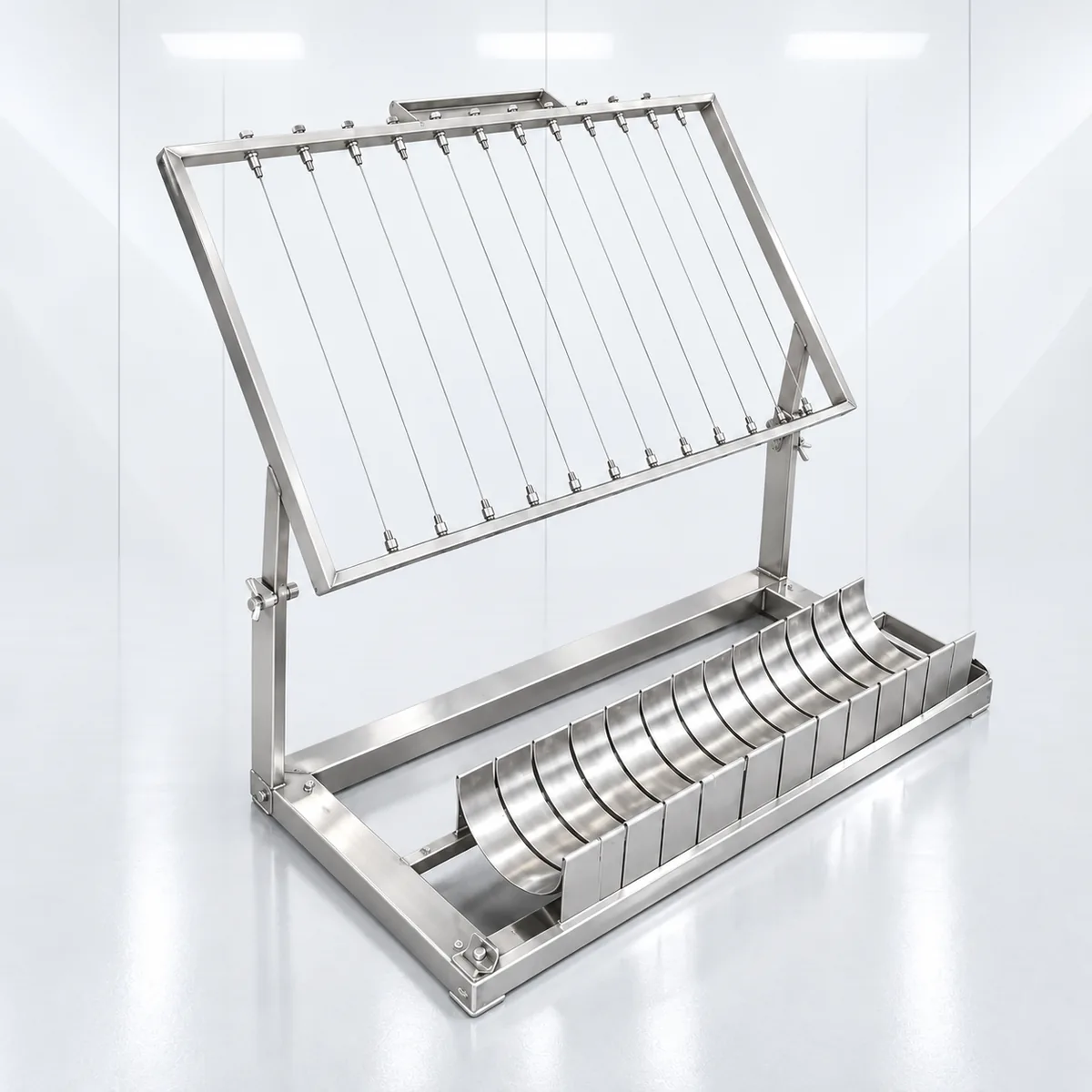
Manual ricotta and cheese stick cutter
Hinged frame of cutting wires over a half-round cradle that splits ricotta or a cheese log into equal portions.
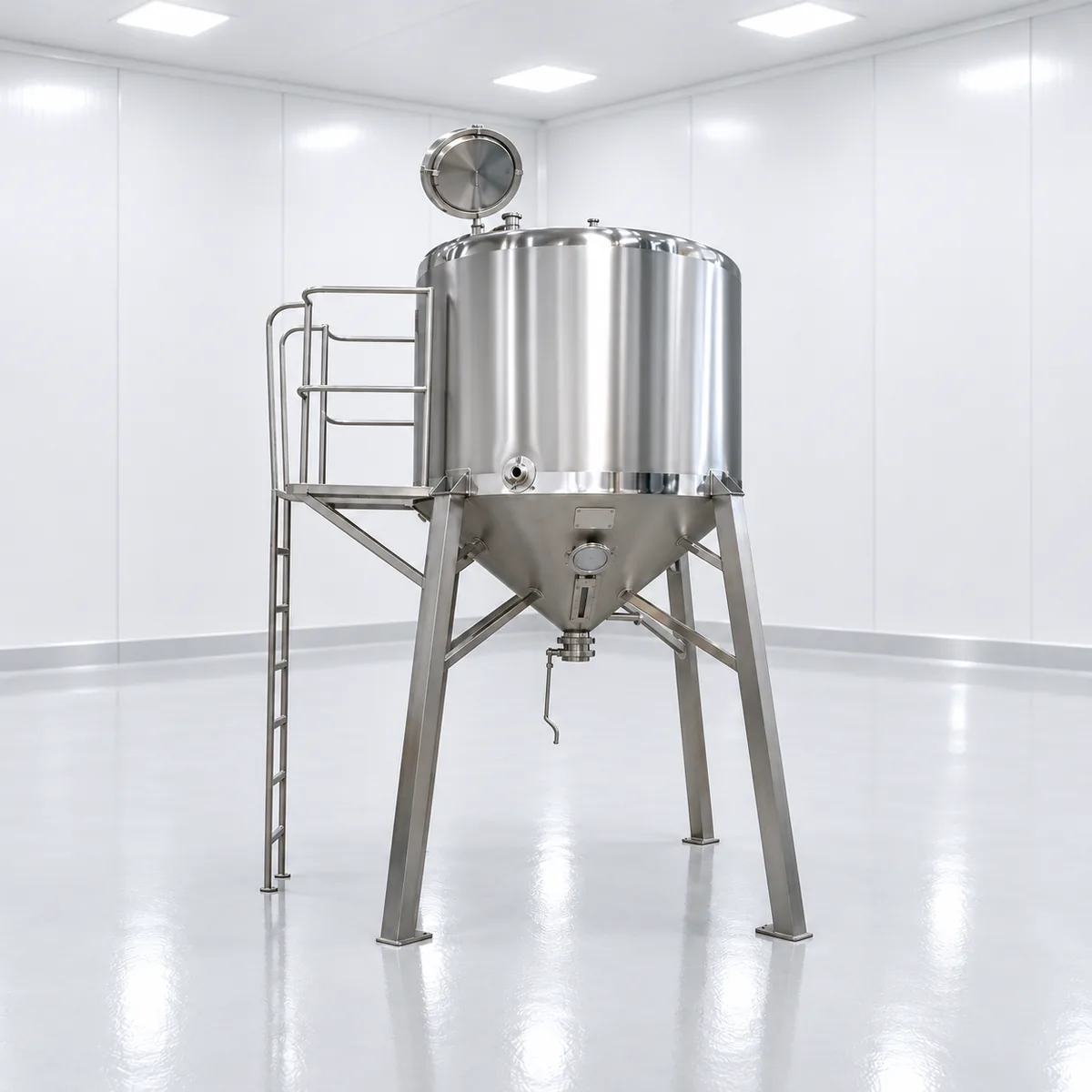
Ricotta vat
Raised cone-bottom vat where cheese whey is heated and acidified until the ricotta curd flocculates.
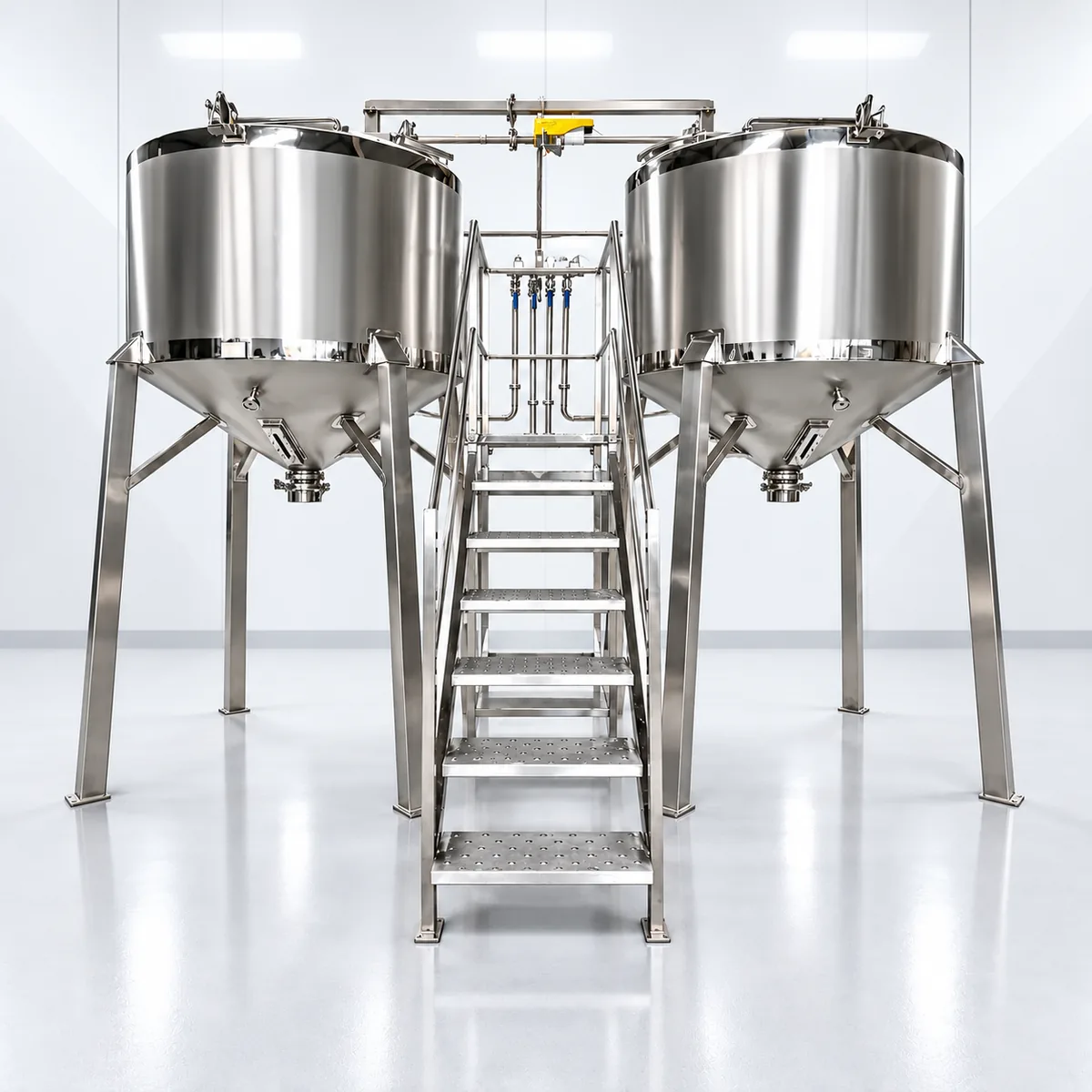
Double ricotta vat
Two cone-bottom AISI 304 stainless steel vats with a central stair, for making ricotta in alternating batches.
Industrial yogurt vats and fermentation tanks
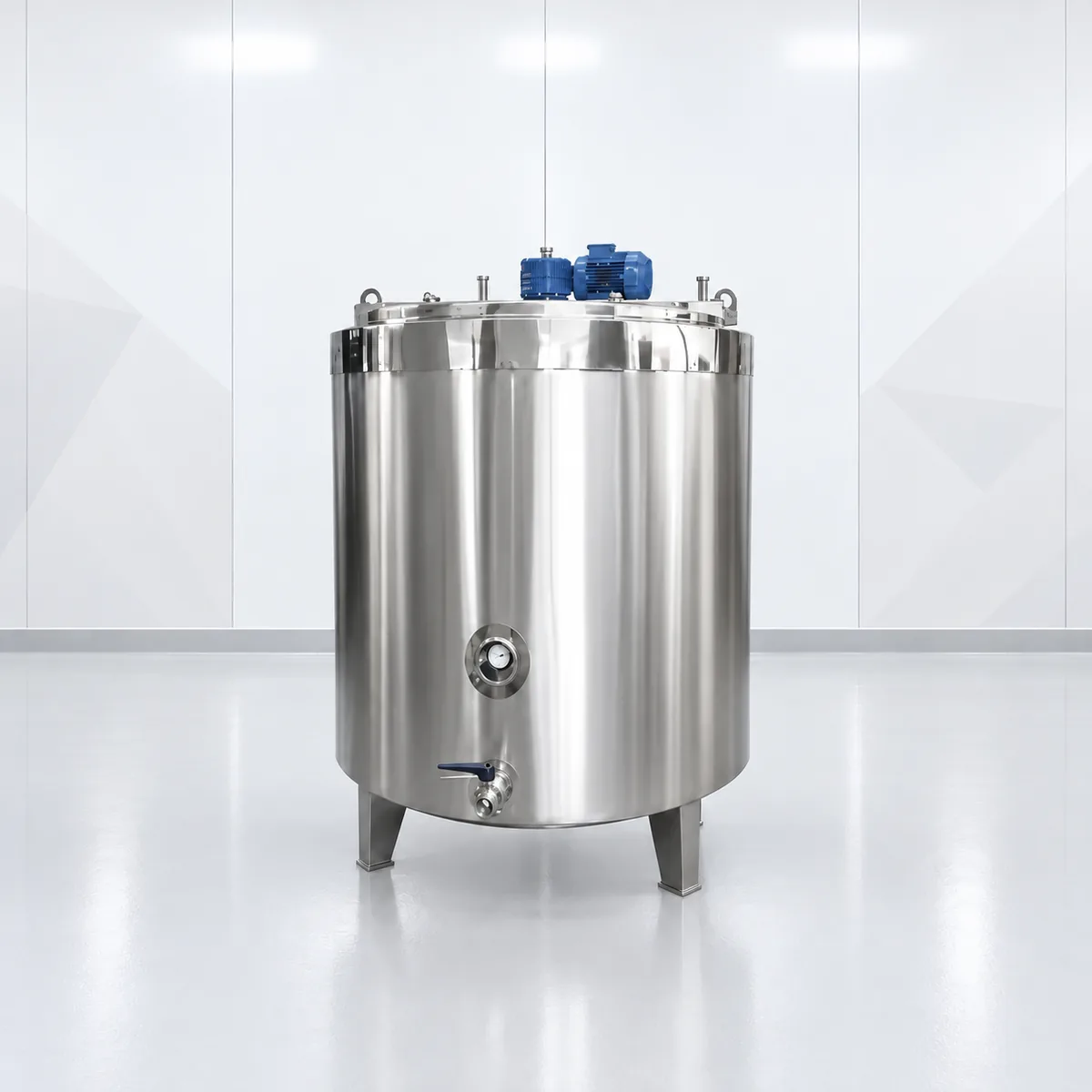
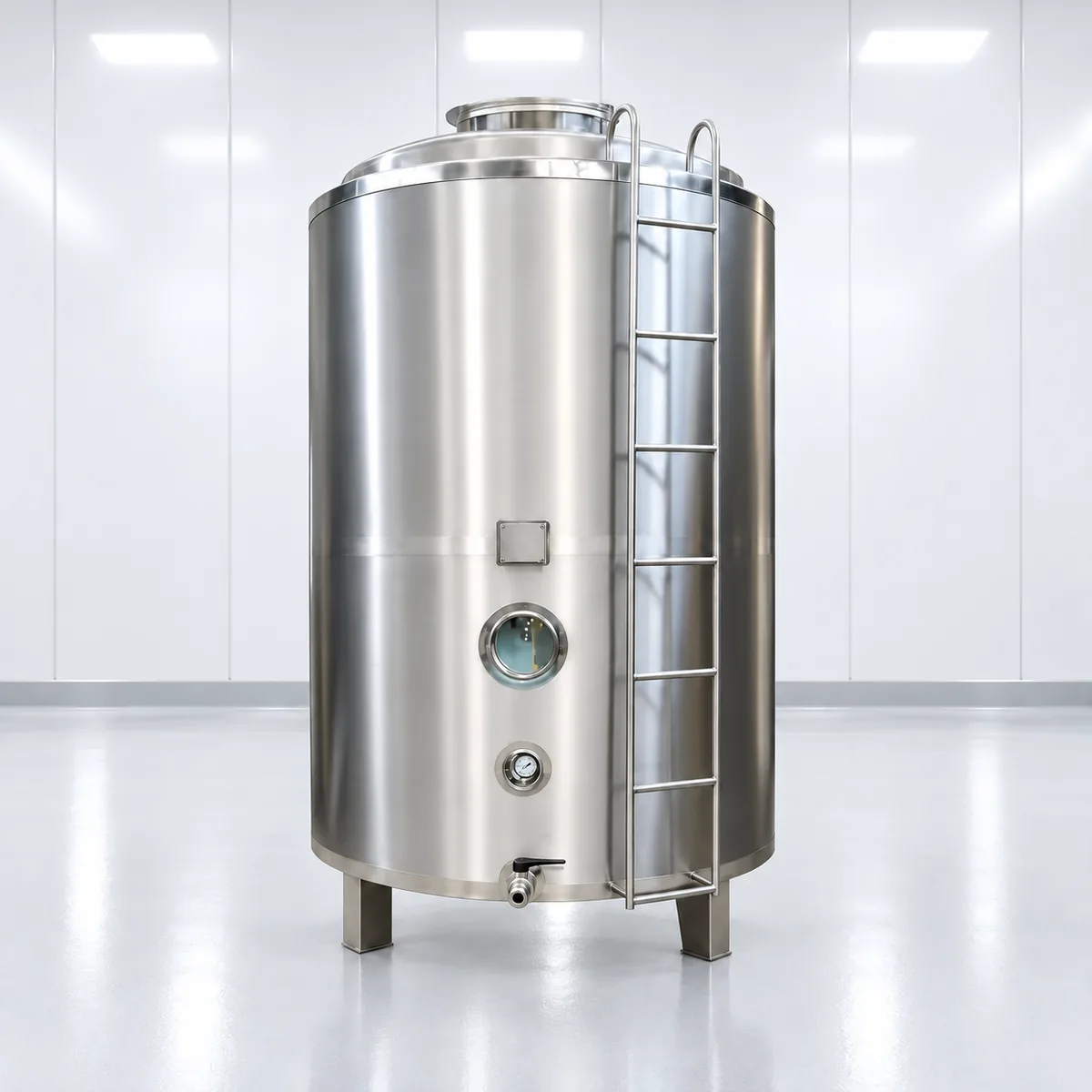
Yogurt depends on controlled temperature: the milk is heated, cooled to inoculation temperature, receives the culture and is held warm until it reaches the acidity of the recipe.
Butter churns and butter molding machines
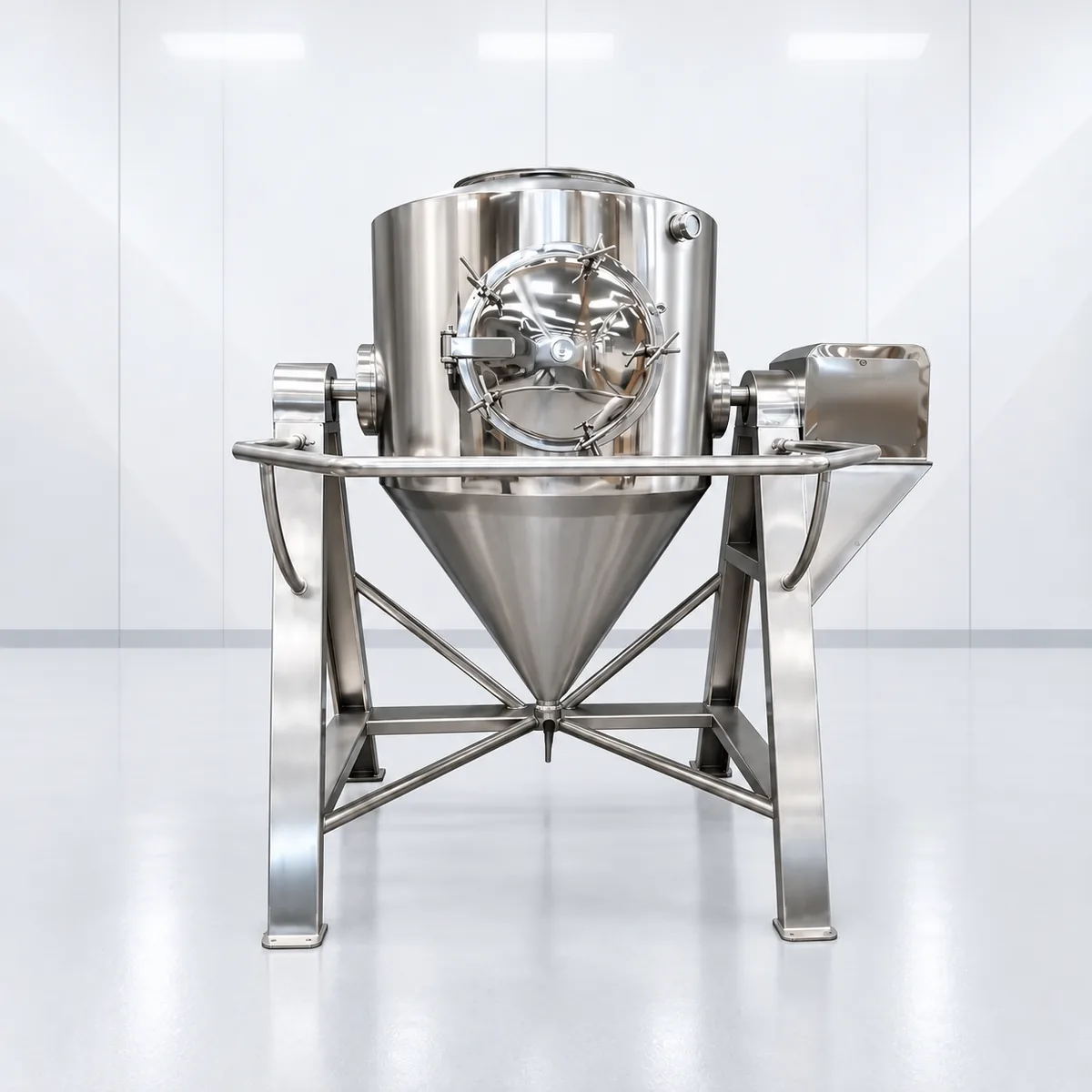
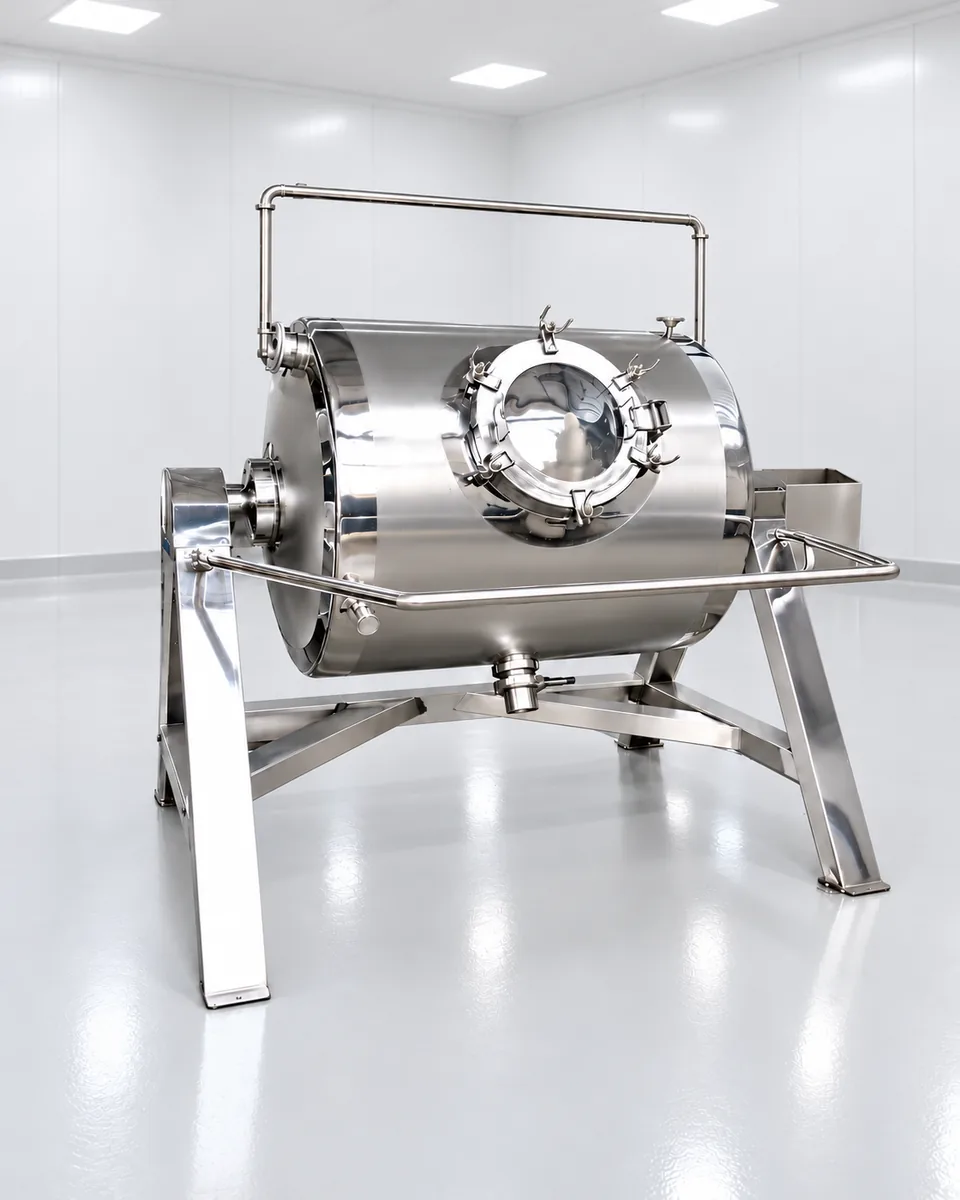
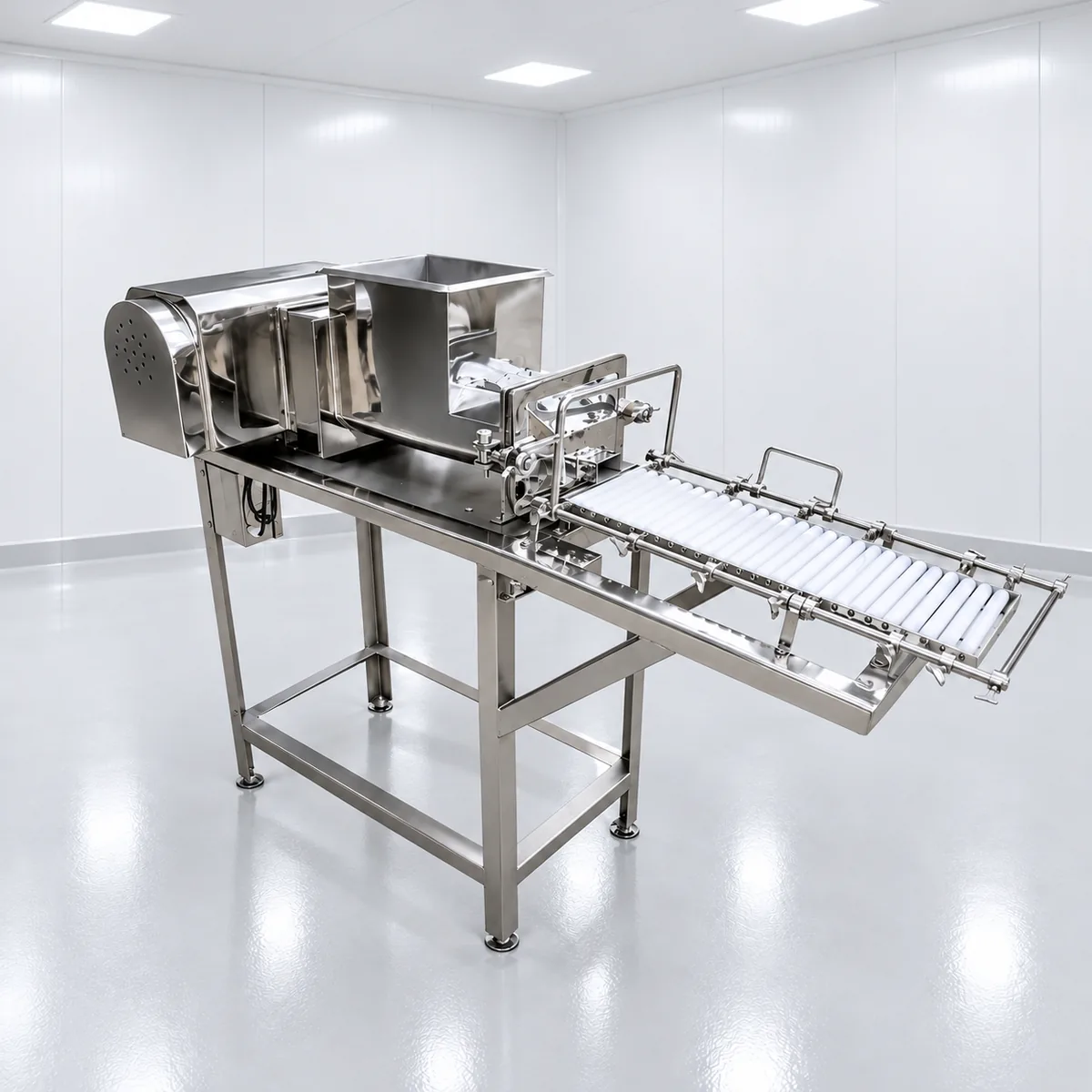
Butter comes from churned cream: as the cream is agitated, the fat gathers into grains and separates from the buttermilk. The grains are washed and worked into a uniform mass, which is then molded and portioned.
Sanitary pumps and mixers for dairy plants
In a dairy plant, milk, whey and syrups move between tanks, kettles and fillers through pipework, and every transfer needs a sanitary pump with parts that are easy to clean.
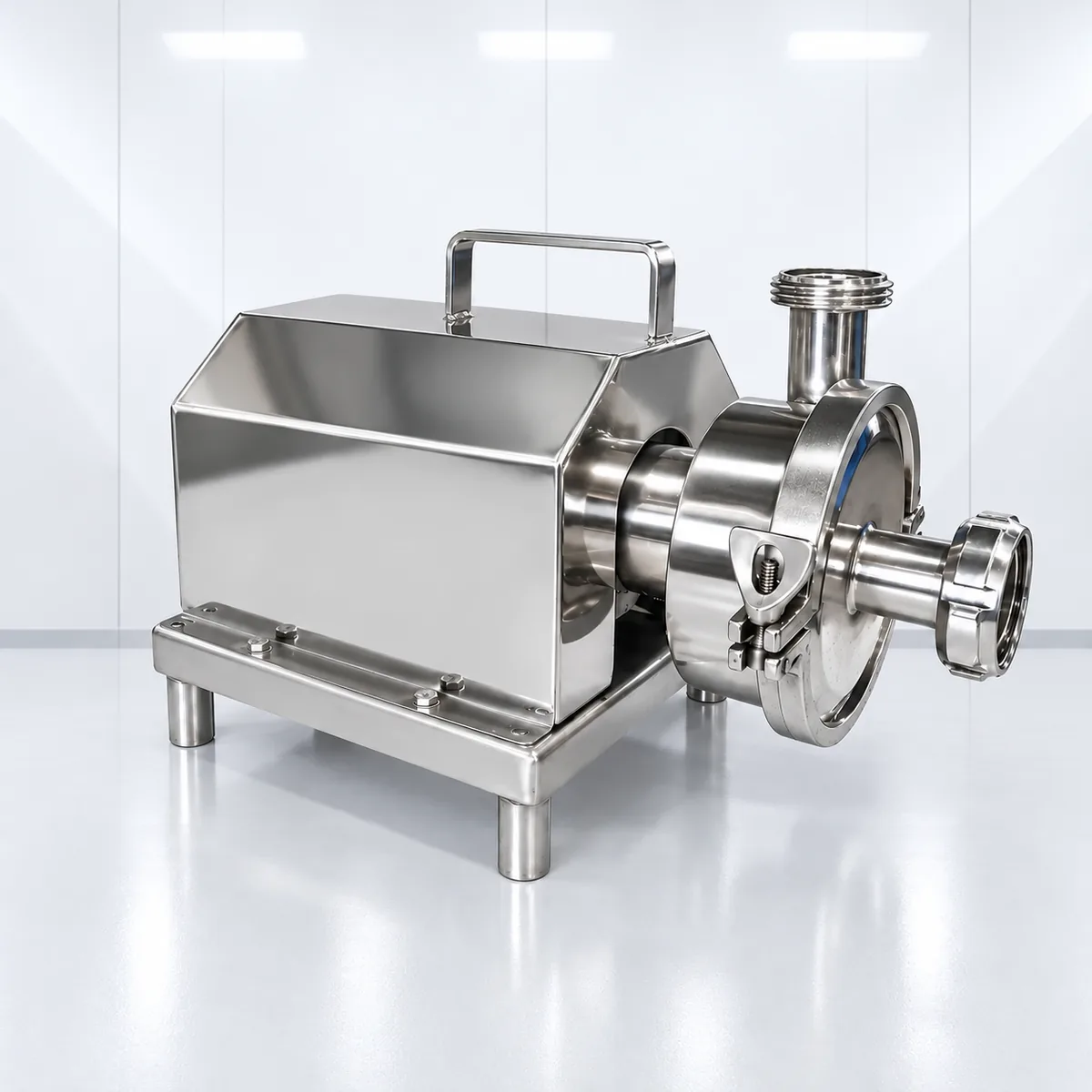
Sanitary centrifugal pump
Transfers milk, whey and other food liquids between tanks and equipment in the dairy plant.
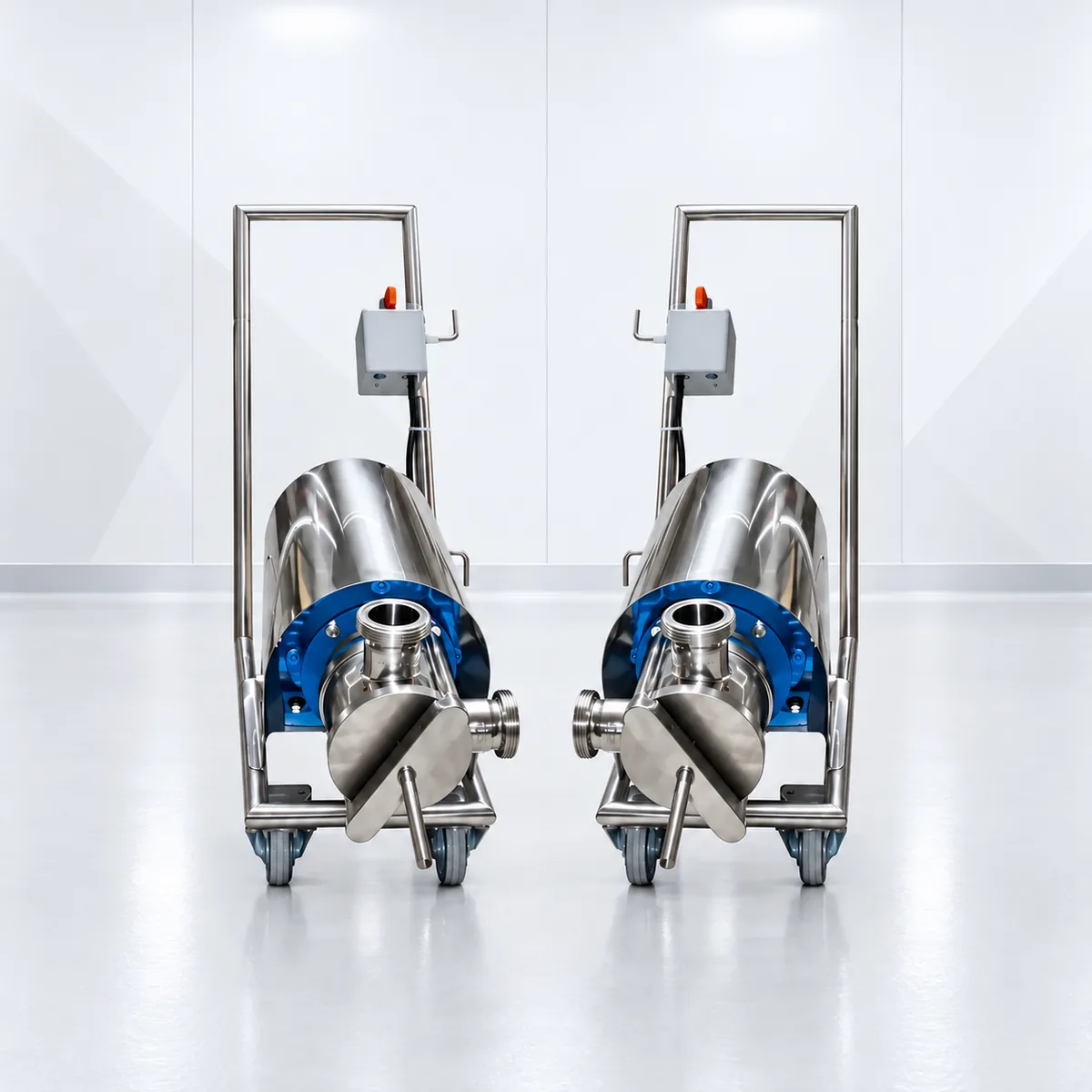
Suction pump
A mobile pump on a wheeled cart that draws food liquids and transfers them to where they are needed.
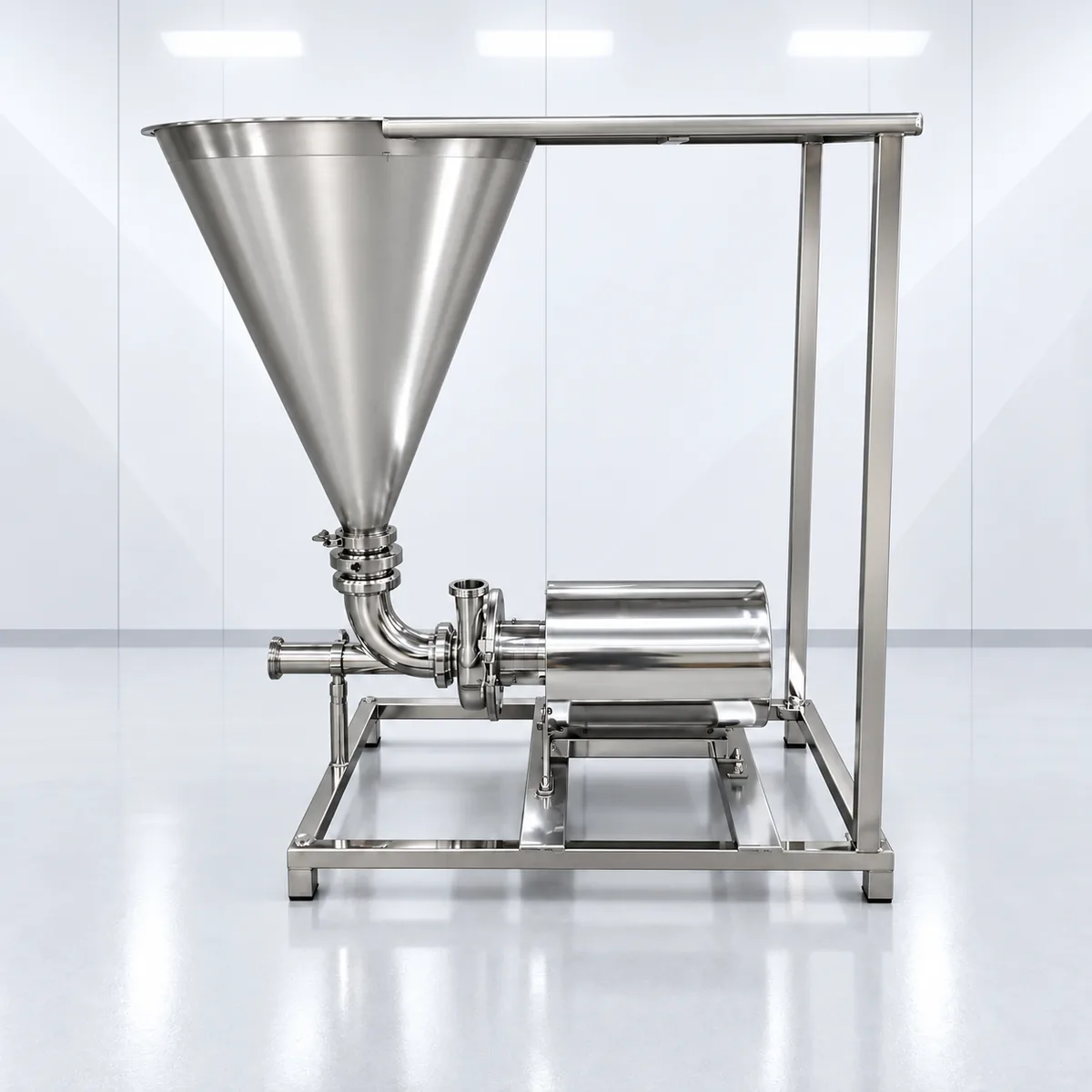
Tri-Blender powder–liquid mixer
Incorporates powdered ingredients into a circulating liquid, with a conical hopper and pump on one stainless frame.
Fillers for viscous and pasty dairy products
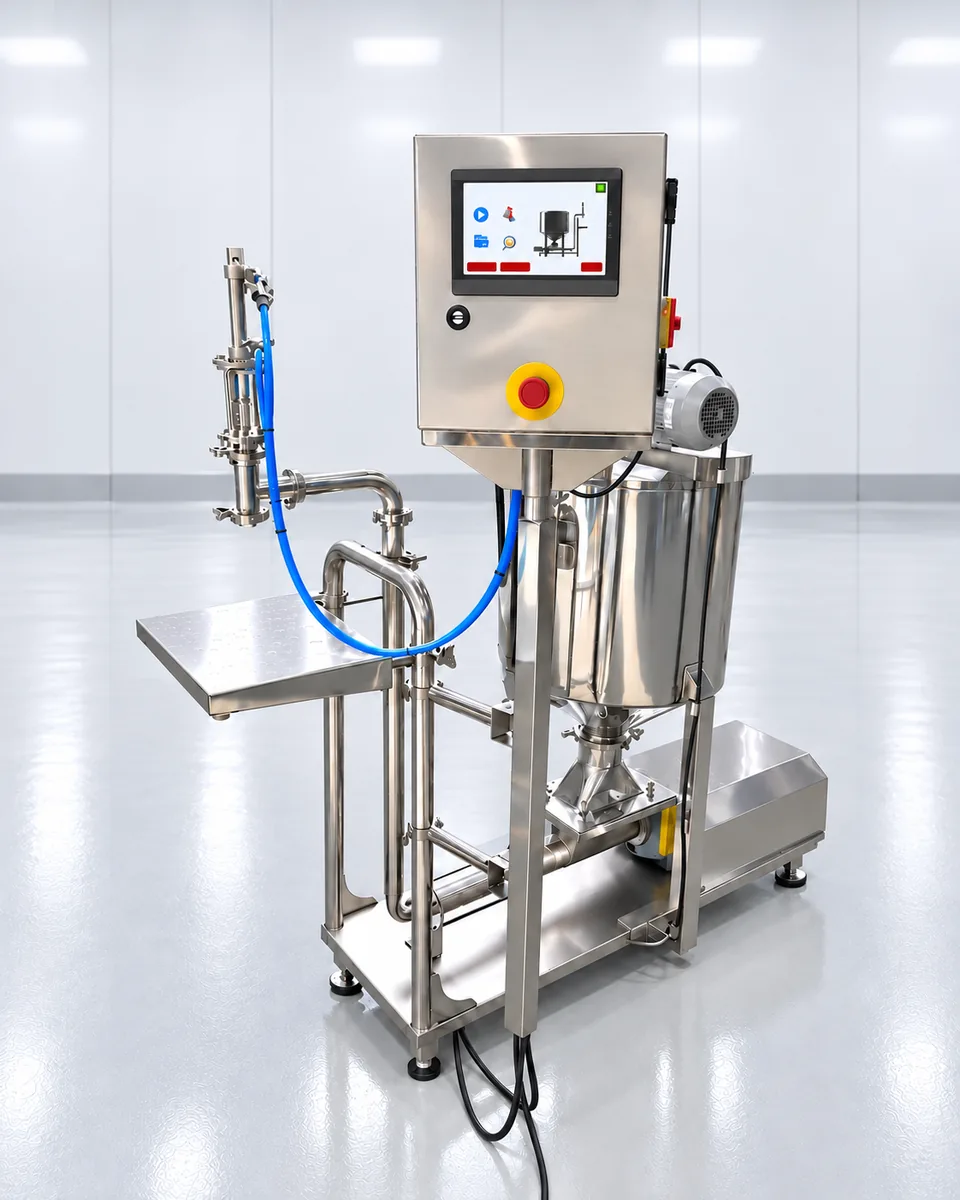
Filling is the last step in the plant: the finished product has to be dosed in the right amount into each cup, tub or tube, with consistent fills from one pack to the next.
Contact
Request an export quotation
Tell us the equipment, the capacity you need and the destination country. We reply by e-mail, in English, Spanish or Portuguese.
- +55 19 3894-1000
- concern@concern.com.br
- Rua das Orquídeas, 777, sala 303, Torre Business
Jardim Pompeia, Indaiatuba/SP, 13345-040, Brasil - Monday to Friday, 9 am to 6 pm (Brasília time)