 Representation · Import · Export
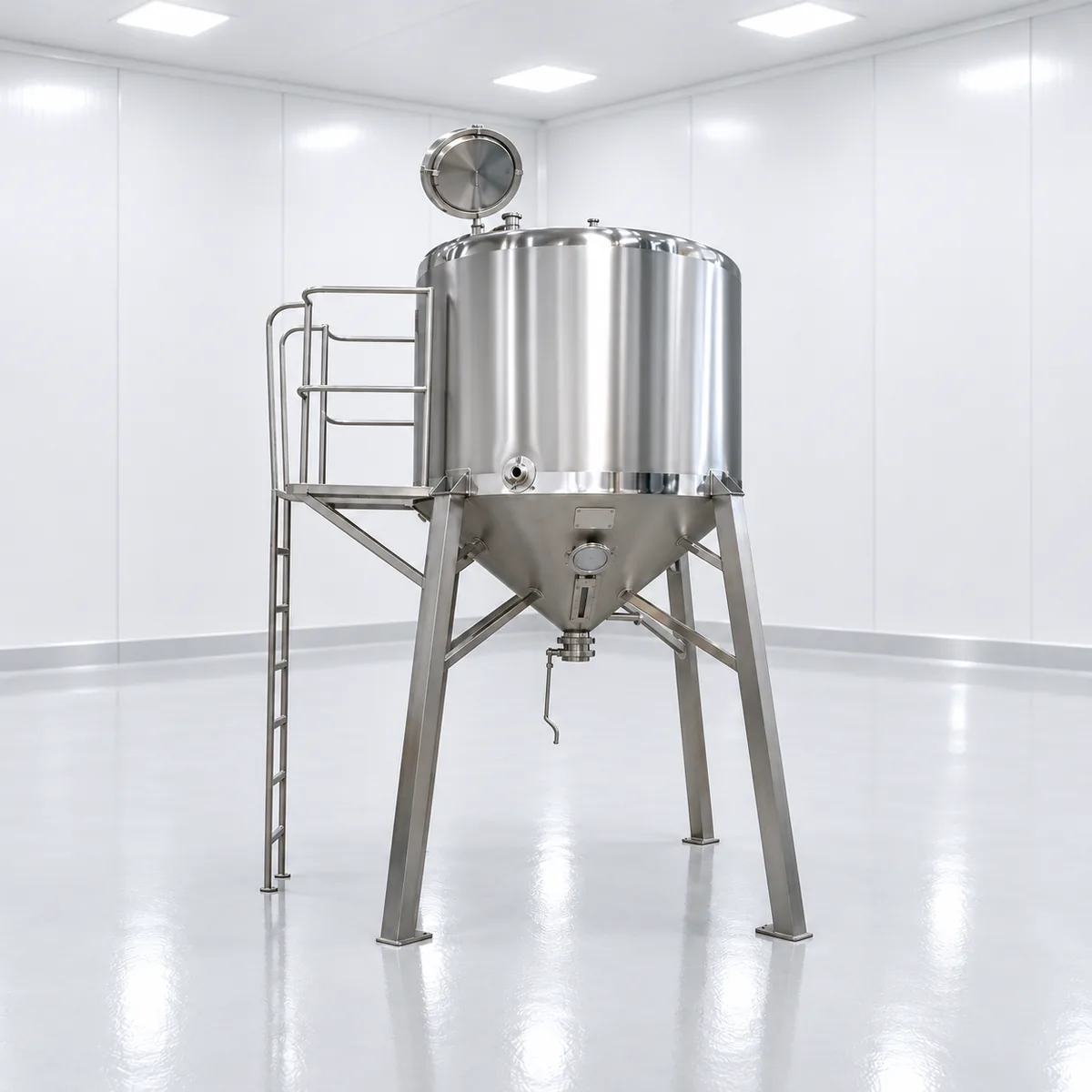
Ricotta vat
The ricotta vat is an industrial unit for making ricotta from the whey left over from cheesemaking, built for dairies that want to turn that by-product into a saleable cheese. The cylindrical stainless steel tank has a conical bottom with an outlet valve, stands on raised legs and comes with a platform and ladder so the operator can work at the top opening.
Also known as: ricotta cooker, whey ricotta tank, ricotta flocculation tank, ricotta making machine, whey cheese vat.
Exclusive production for export by Concern Rep. Imp. Exp.
Information and sales
Ask about configurations, availability and export sales terms.
What it is used for
- Making fresh ricotta from the sweet whey left after cheesemaking
- Whey ricotta with added milk, when the recipe calls for higher yield and a creamier texture
- Dairies and cheese plants that want to turn whey into a product instead of a disposal cost
- Batch production, one load of whey at a time
How it works
Sweet whey from the cheese vat is transferred to the ricotta vat, ideally fresh and strained. It is heated to near boiling and dosed with the acidulant the recipe calls for, such as lactic acid, citric acid, vinegar or acid whey.
Heat and acidity make the whey proteins, which rennet does not hold in the cheese, denature and clump into white flakes. The flakes rise and form a layer of curd on the surface, which is left to rest for a few minutes to firm up.
Once formed, the curd is separated from the whey and goes into draining molds, either lifted out with a perforated scoop or discharged through the bottom, depending on the plant's method. The cone, with its valve at the lowest point, gathers the remaining whey and makes the vat easy to empty and rinse.
Features
- Vertical cylindrical stainless steel tank with a conical bottom
- Outlet valve at the lowest point of the cone to drain whey and empty the vat
- Hinged round lid on top for loading, inspection and cleaning
- Work platform with guardrail and side ladder
- Raised frame on braced legs
- Volume, heating method and accessories to suit the project, on request
Frequently asked questions
What is the difference between the single and the double ricotta vat?
The process is the same. The single vat has one tank and handles one batch of whey at a time. The double vat has two tanks side by side, served by a central staircase: while one heats the whey, the other can be at curd collection or cleaning. The single vat suits smaller daily whey volumes or a first ricotta line; the double vat suits plants that need to process more whey without stopping.
Can ricotta be made from whey alone?
Yes. Traditional ricotta is made from the sweet whey of cheeses such as mozzarella and fresh white cheeses. Many plants add some milk to the whey to raise the yield and make a creamier ricotta. The whey has to be fresh: whey that sits too long turns acidic and yields less.
What happens to the whey left after making ricotta?
This residual whey is low in protein but still carries lactose and minerals. Once out of the vat, depending on the plant, it is used for animal feed, other by-products or sent to wastewater treatment.
Does Concern ship the ricotta vat outside Brazil?
Yes. Concern quotes, exports from Brazil and follows the shipment to its destination, with all the export documents. Ask for a quote by e-mail, WhatsApp or the form on this page, with your daily whey volume and the destination country.
Export through Concern
Concern exports this equipment from Brazil and runs the whole operation: quotation, commercial invoice and packing list, export registration, ocean freight from Santos or air freight from Viracopos, customs clearance and foreign exchange. 30 years in foreign trade, with service in English, Spanish and Portuguese.
More equipment
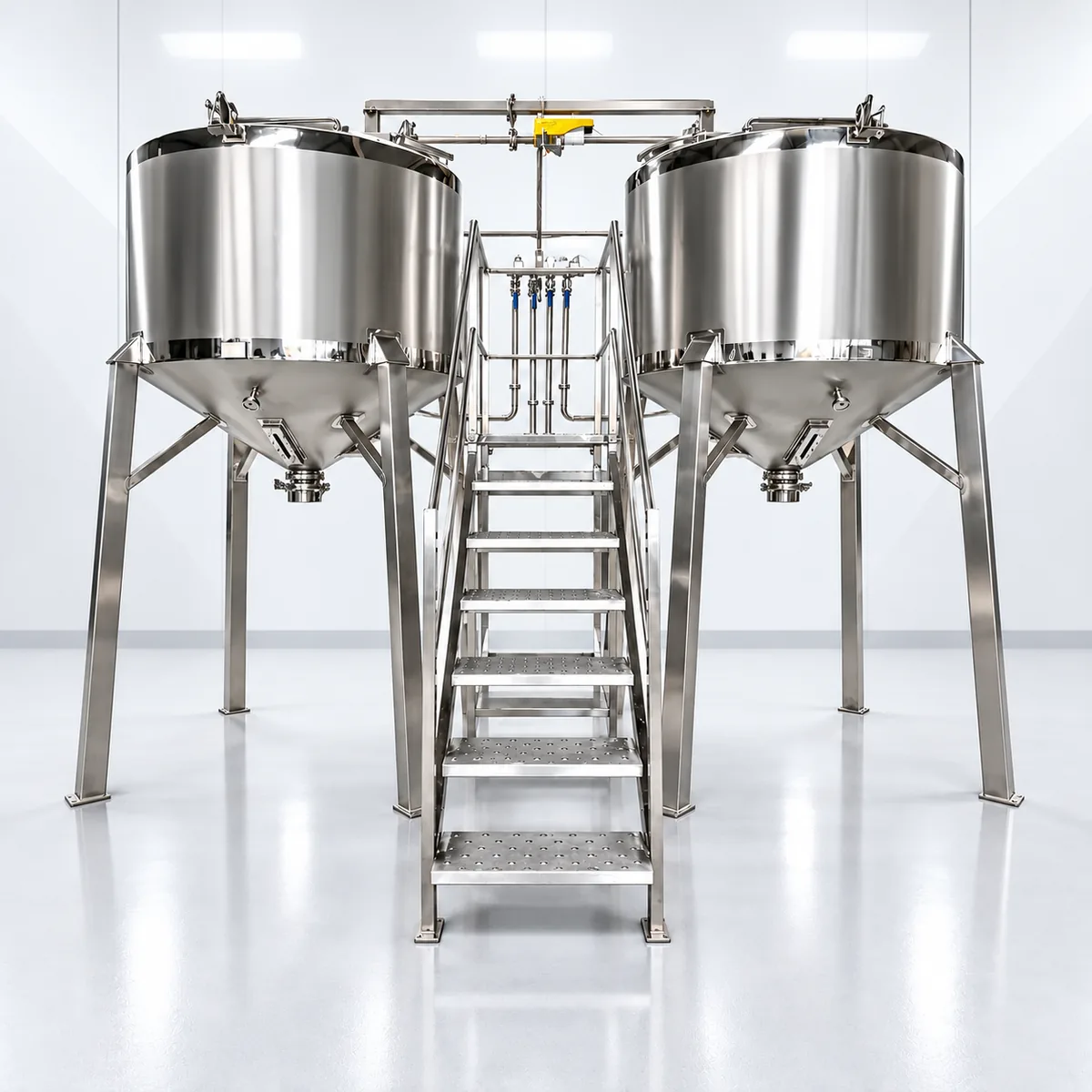
Double ricotta vat
Two cone-bottom AISI 304 stainless steel vats with a central stair, for making ricotta in alternating batches.
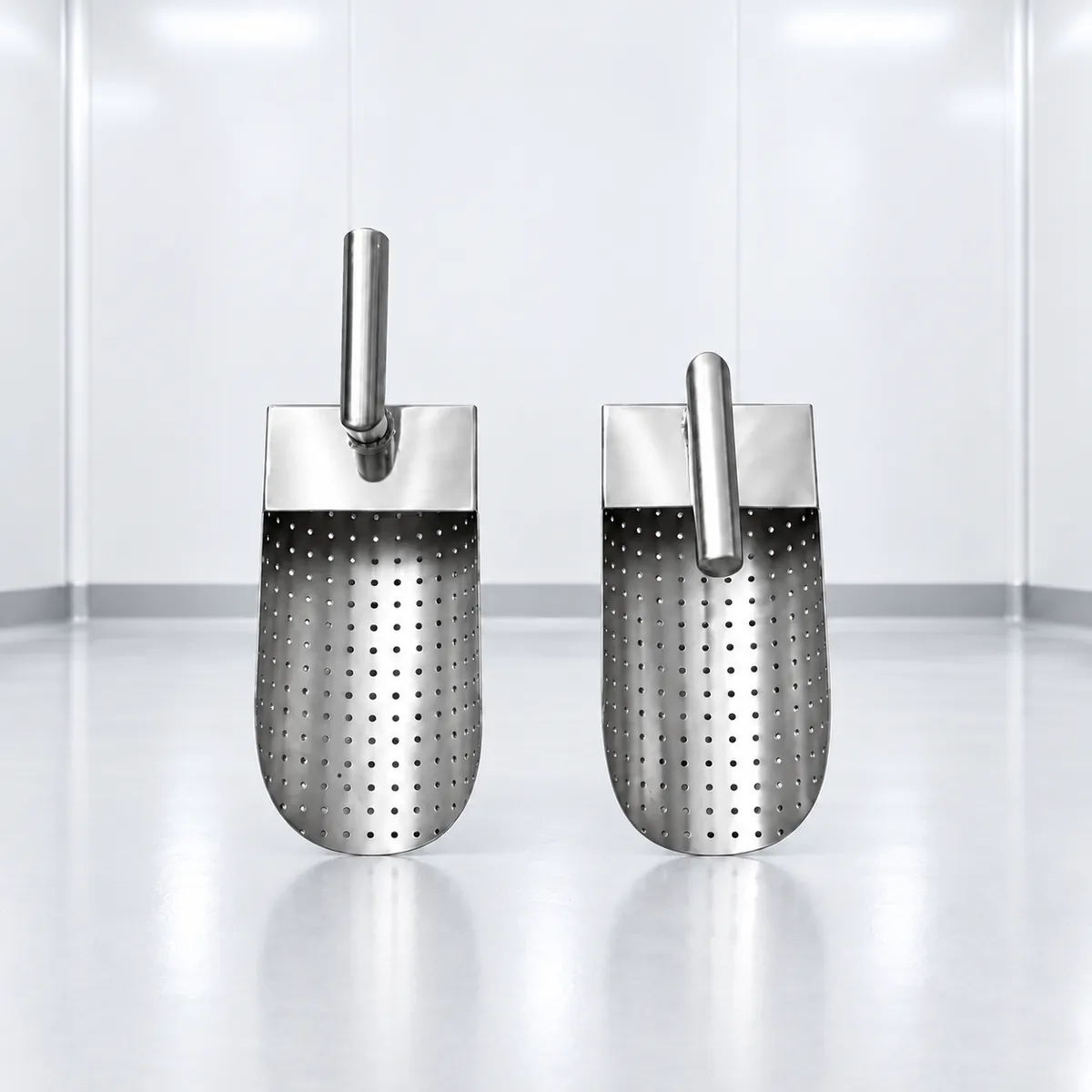
Perforated ricotta scoop
Perforated AISI 304 stainless steel scoop that lifts ricotta curd out of the whey and drains it on the way to the molds.
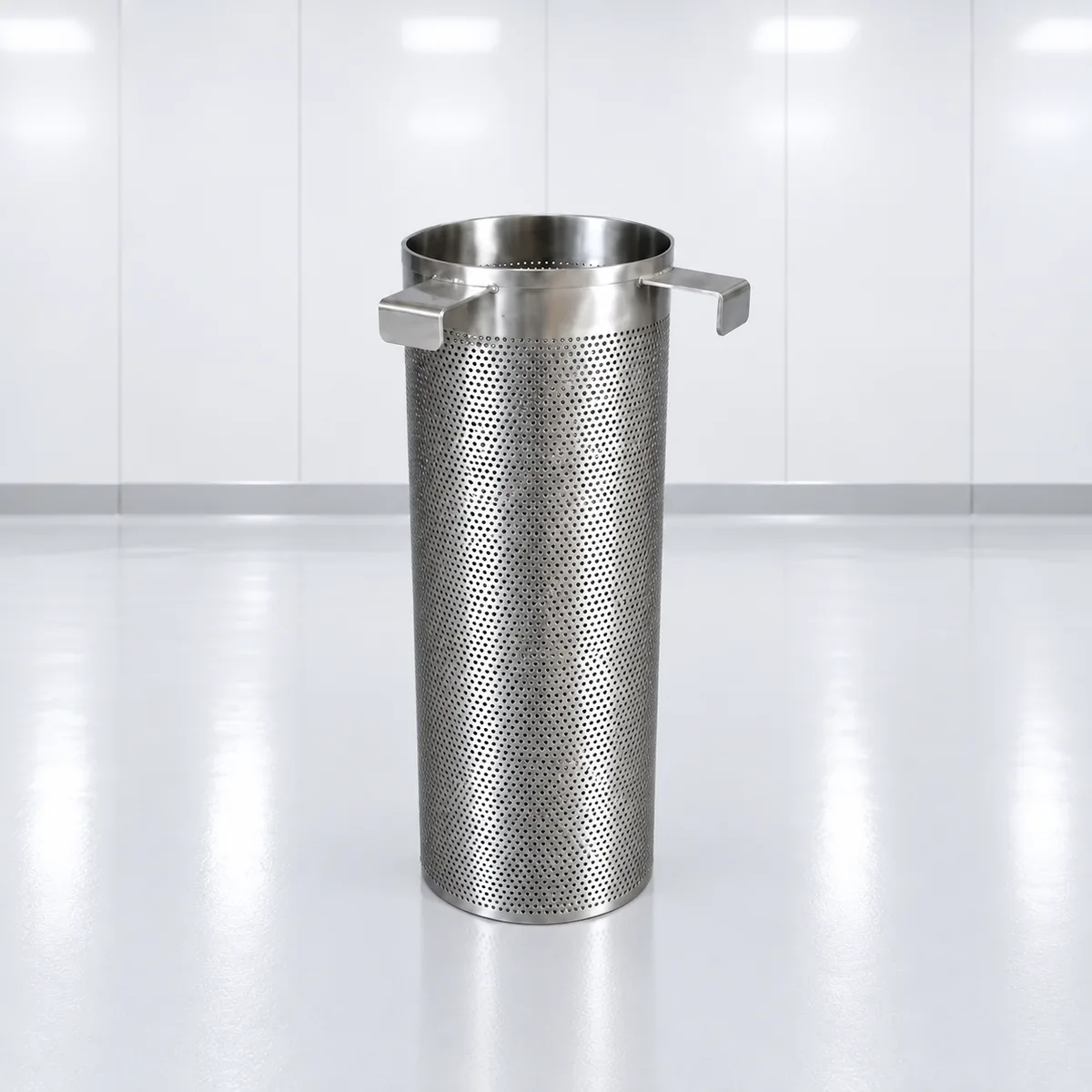
Whey filter
A tall perforated stainless steel basket that catches curd fines as whey is drained from the cheese vat.
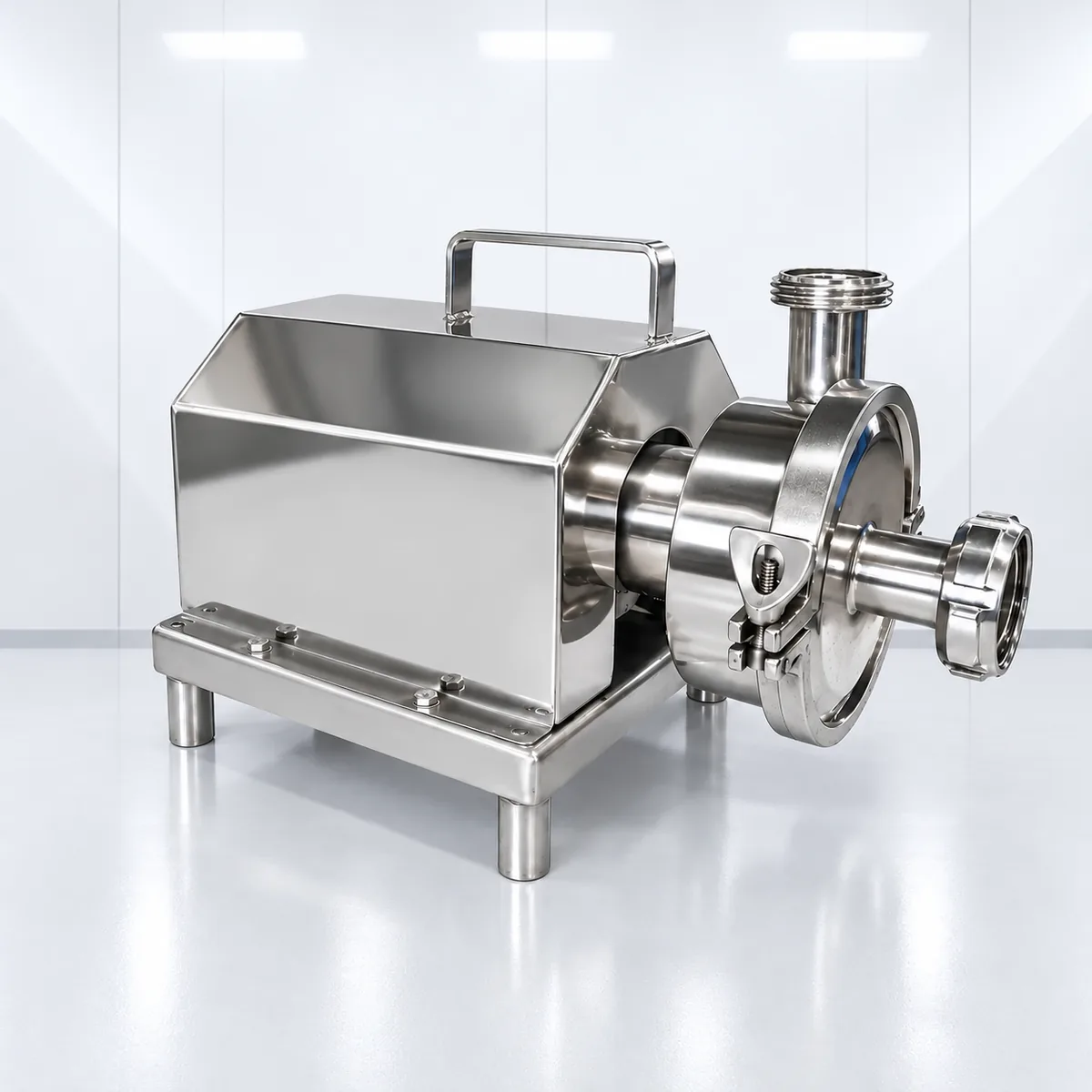
Sanitary centrifugal pump
Transfers milk, whey and other food liquids between tanks and equipment in the dairy plant.
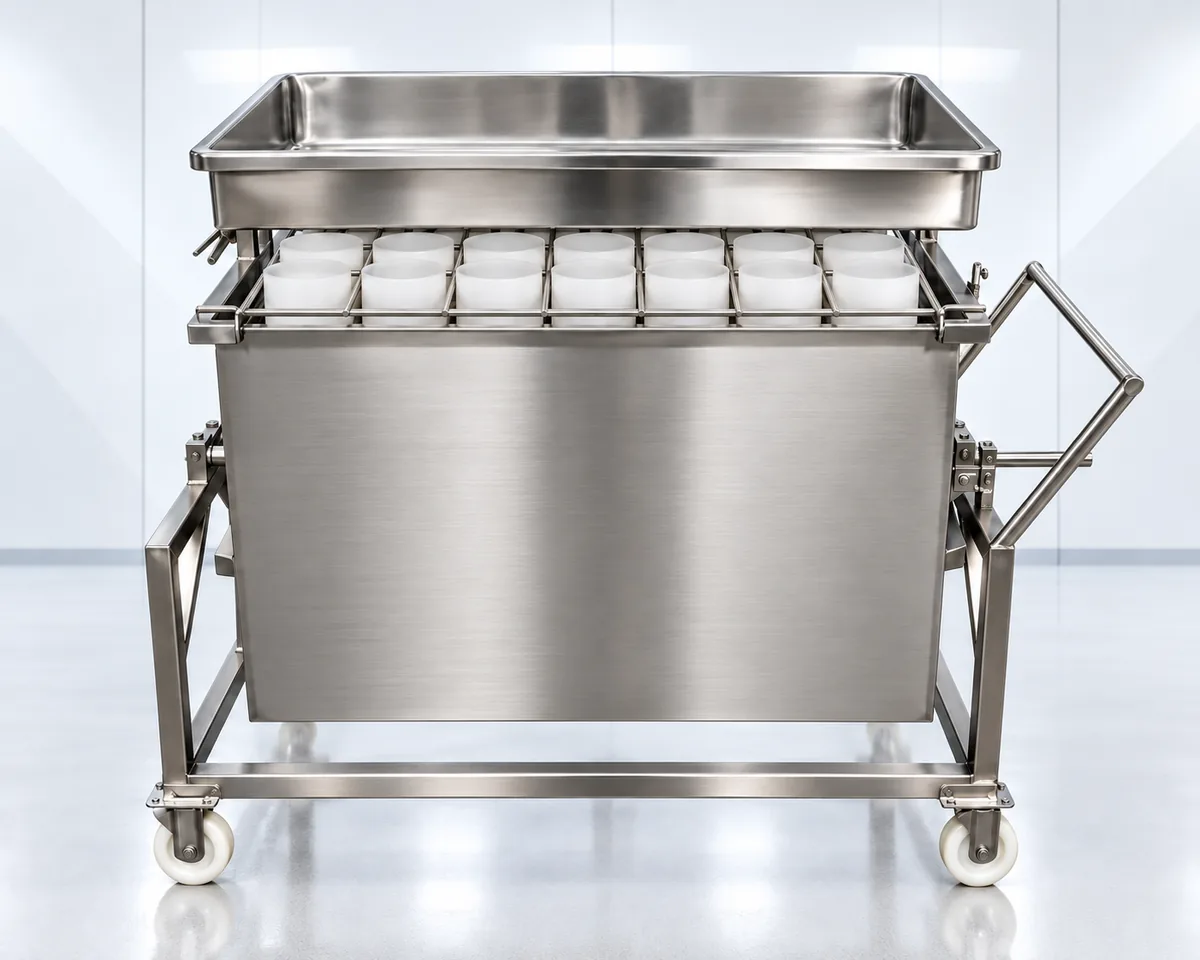
Tilting ricotta cart
Wheeled cart with a tilting body and a rack for ricotta molds, for moving and unloading ricotta.
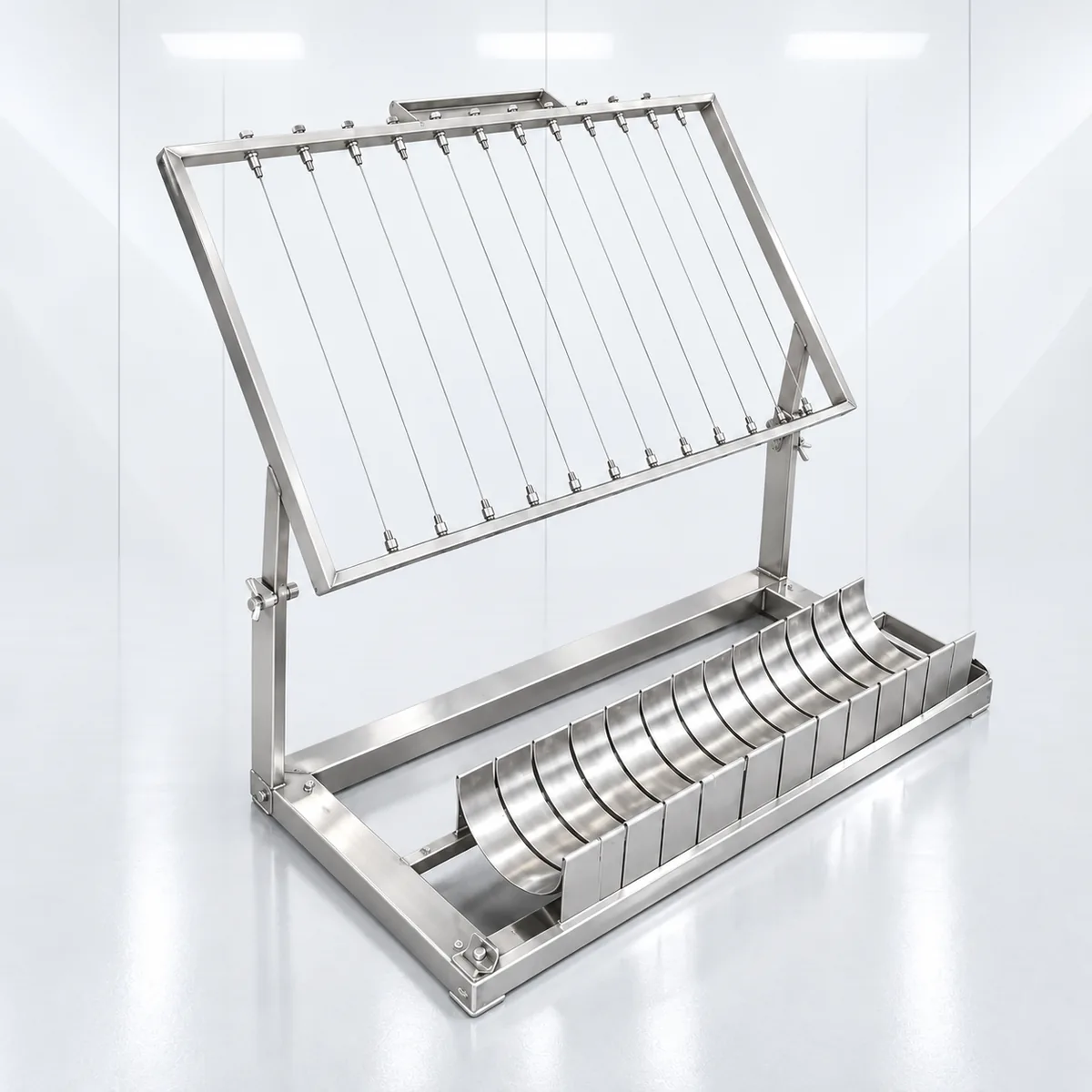
Manual ricotta and cheese stick cutter
Hinged frame of cutting wires over a half-round cradle that splits ricotta or a cheese log into equal portions.
Contact
Request an export quotation
Tell us the equipment, the capacity you need and the destination country. We reply by e-mail, in English, Spanish or Portuguese.
- +55 19 3894-1000
- concern@concern.com.br
- Rua das Orquídeas, 777, sala 303, Torre Business
Jardim Pompeia, Indaiatuba/SP, 13345-040, Brasil - Monday to Friday, 9 am to 6 pm (Brasília time)