 Representation · Import · Export
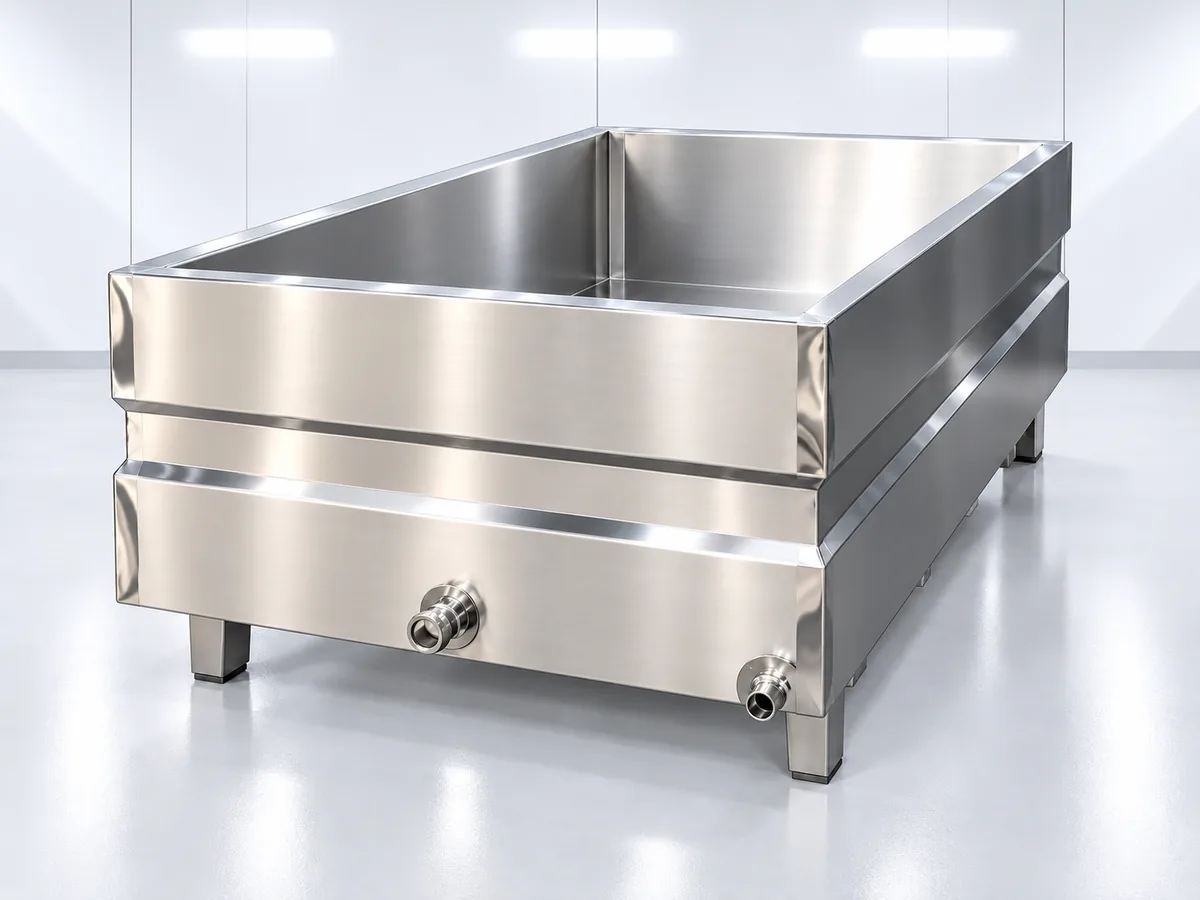
High-jacket cheese vat
The high-jacket cheese vat is an industrial vat for heating milk, coagulating it and cutting and working the curd. It is an open rectangular stainless steel vat whose heating jacket covers the bottom and rises almost to the rim, so the whole volume heats quickly and evenly; the cheesemaker cuts and stirs the curd by hand with harps and paddles.
Also known as: jacketed cheese vat, cheese cooking vat, double-wall cheese vat, open cheese vat, cheese making vat.
Exclusive production for export by Concern Rep. Imp. Exp.
Information and sales
Ask about configurations, availability and export sales terms.
What it is used for
- Semi-cooked and cooked cheeses, such as gouda-type and other washed-curd cheeses, where the curd is heated while stirring
- Fresh cheeses and base curd for mozzarella, when the plant wants one vat for several recipes
- Bringing milk to setting temperature in the same vat
- Cheese plants that want temperature control over the whole volume without mechanizing the cutting
How it works
Pasteurized milk is loaded into the vat and the jacket brings it to setting temperature. Culture and rennet are added and the milk rests until the coagulum forms.
The cheesemaker cuts the curd with harps and starts stirring with paddles. For semi-cooked and cooked cheeses, the jacket raises the curd temperature gradually during stirring, at the pace of the recipe, so the grains release whey and firm up.
Because the jacket covers almost the full wall height, heat reaches the whole mass and not just the bottom: heating is faster and the temperature is more even from bottom to surface. The whey then drains through the sanitary outlet and the curd goes to the molds or a draining press.
Features
- Open rectangular vat in stainless steel
- Heating jacket on the bottom and over almost the full height of the walls
- Sanitary bottom outlet for whey and emptying
- Jacket nozzle for the heating medium
- Stainless steel legs; cutting and stirring by hand, with harps and paddles
- Capacity, heating medium, outlets and accessories to suit the project, on request
Frequently asked questions
What is the difference between the high-jacket and the low-jacket vat?
In both, the jacket is an outer wall through which the heating medium flows. On the low-jacket vat it covers only the bottom and the base of the walls, and heat enters from below. On the high-jacket vat it rises almost to the rim: the heat transfer area is larger, the whole volume heats faster and the temperature is more even, which matters for cheeses whose curd is cooked while stirring.
When is the basic cheese vat enough?
The basic vat is the entry model of the line, for receiving milk, setting it and working the curd. When the recipe calls for heating the milk or cooking the curd in the vat itself, a jacketed model is the right choice, and the high jacket gives the most control over the whole volume.
High-jacket vat or Queijomatic?
Both heat the curd. In the vat, cutting and stirring are done by hand with harps and paddles. In a Queijomatic, motorized tools cut and stir the curd, which cuts manual work and gives a more even curd size in larger batches.
Does Concern ship the cheese vat outside Brazil?
Yes. Concern quotes, exports from Brazil and follows the shipment to its destination, with all the export documents. Ask for a quote by e-mail, WhatsApp or the form on this page, with the milk volume per batch, the cheeses you make and the destination country.
Export through Concern
Concern exports this equipment from Brazil and runs the whole operation: quotation, commercial invoice and packing list, export registration, ocean freight from Santos or air freight from Viracopos, customs clearance and foreign exchange. 30 years in foreign trade, with service in English, Spanish and Portuguese.
More equipment
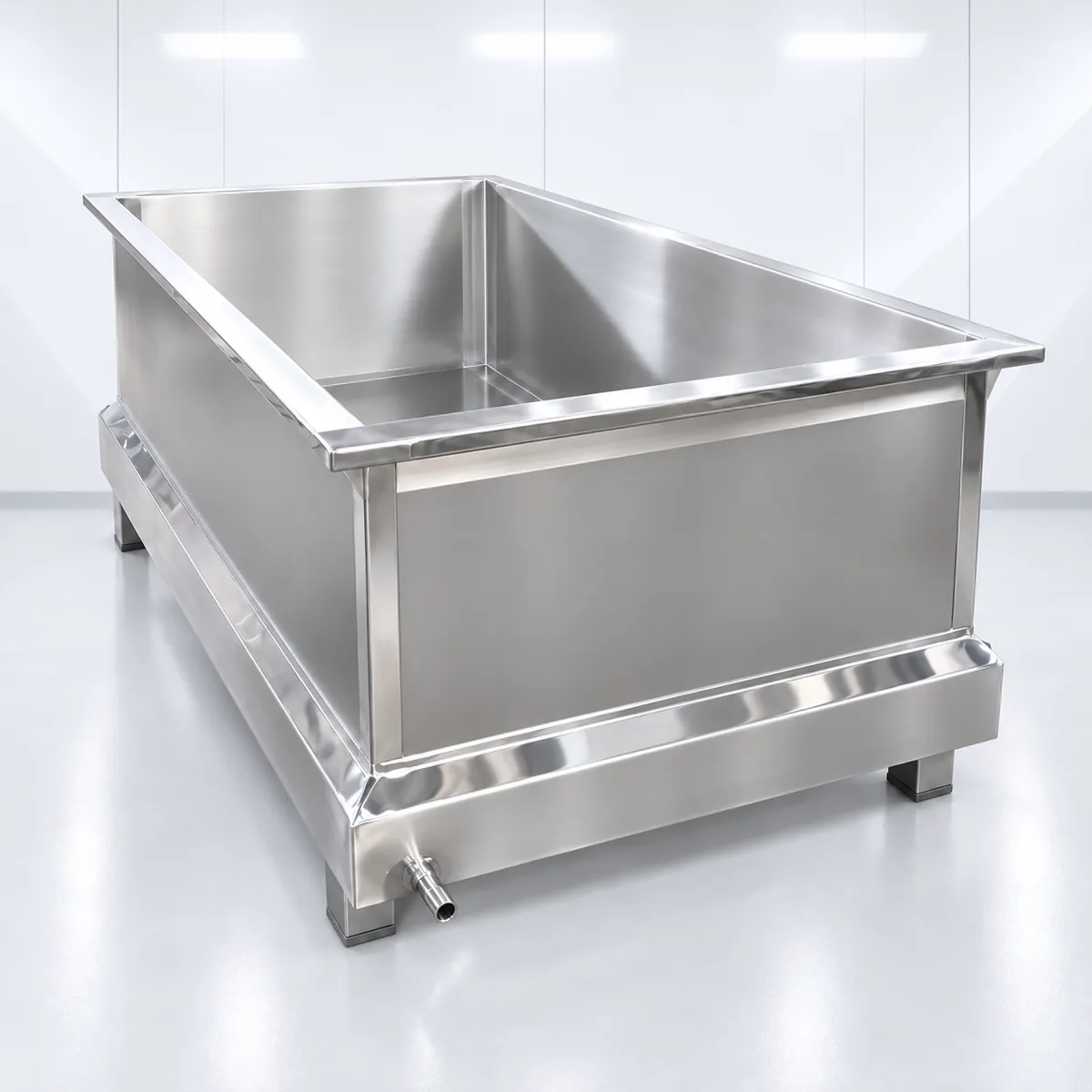
Low-jacket cheese vat
Rectangular AISI 304 stainless steel vat with a heating jacket at the bottom, for setting, cutting and stirring curd.
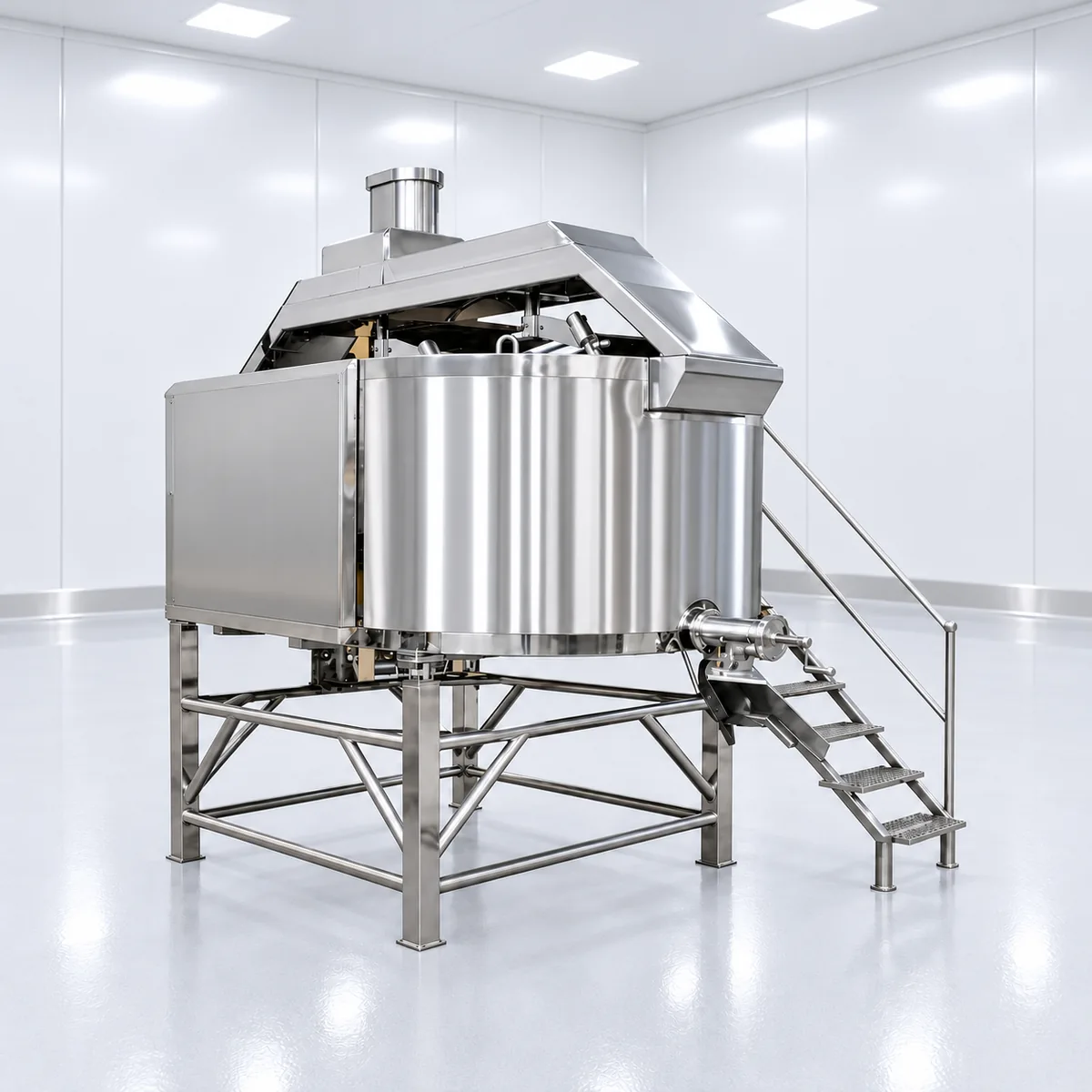
Open Queijomatic cheese vat
Automated vat raised on a frame, with access stairs and bottom discharge, for setting milk and cutting and stirring the curd.
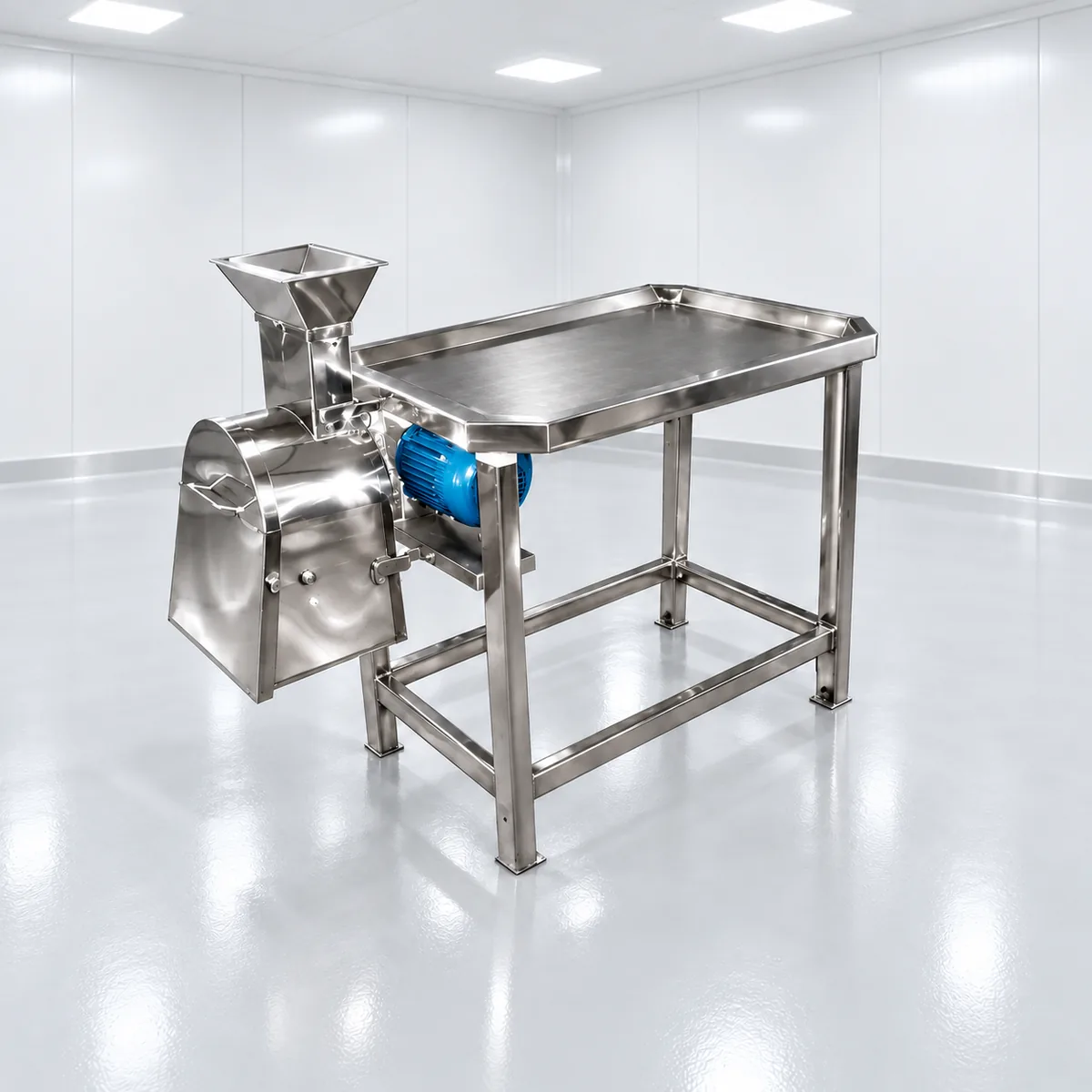
Mozzarella curd chopper
Cuts acidified mozzarella curd into small pieces before stretching, with a work table alongside.
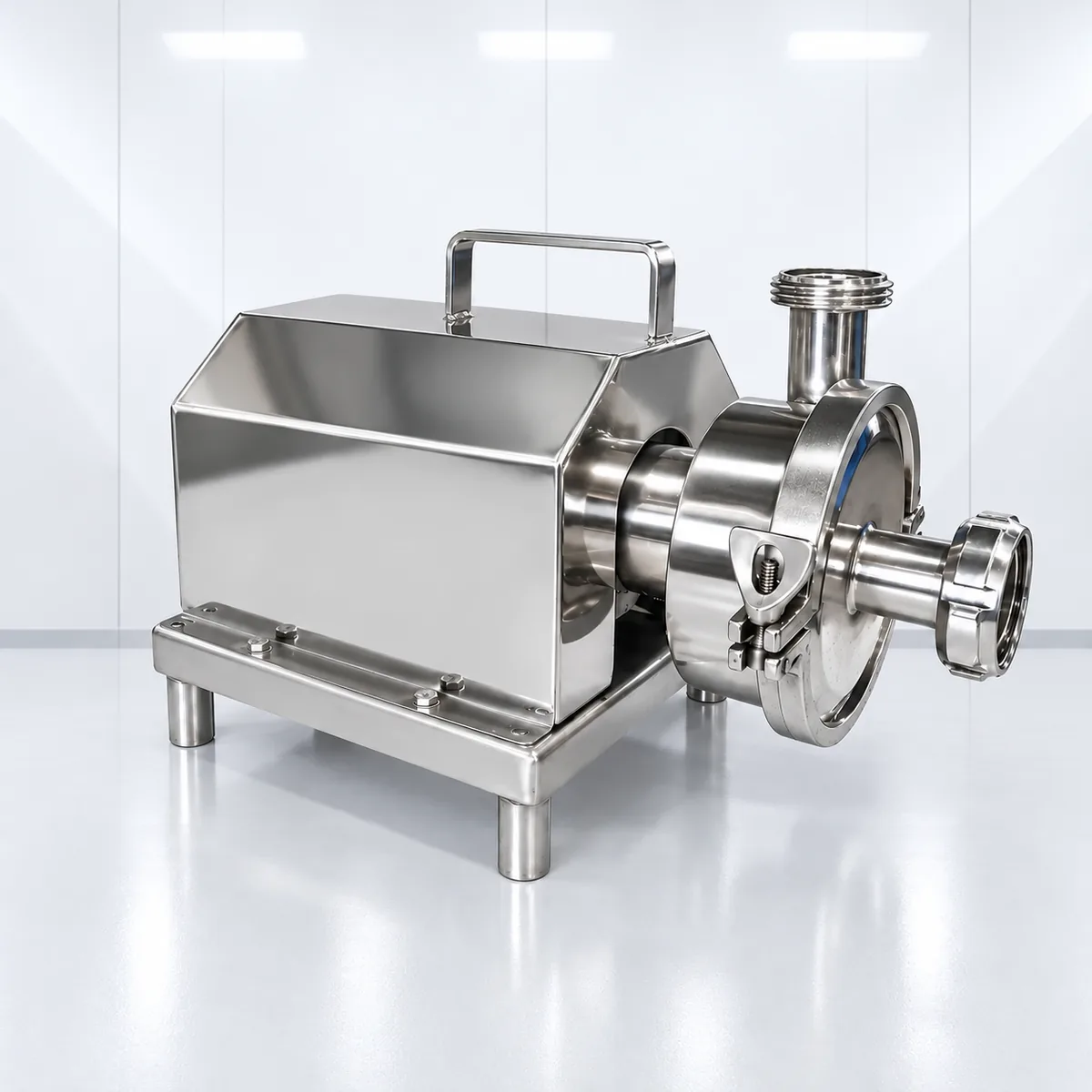
Sanitary centrifugal pump
Transfers milk, whey and other food liquids between tanks and equipment in the dairy plant.
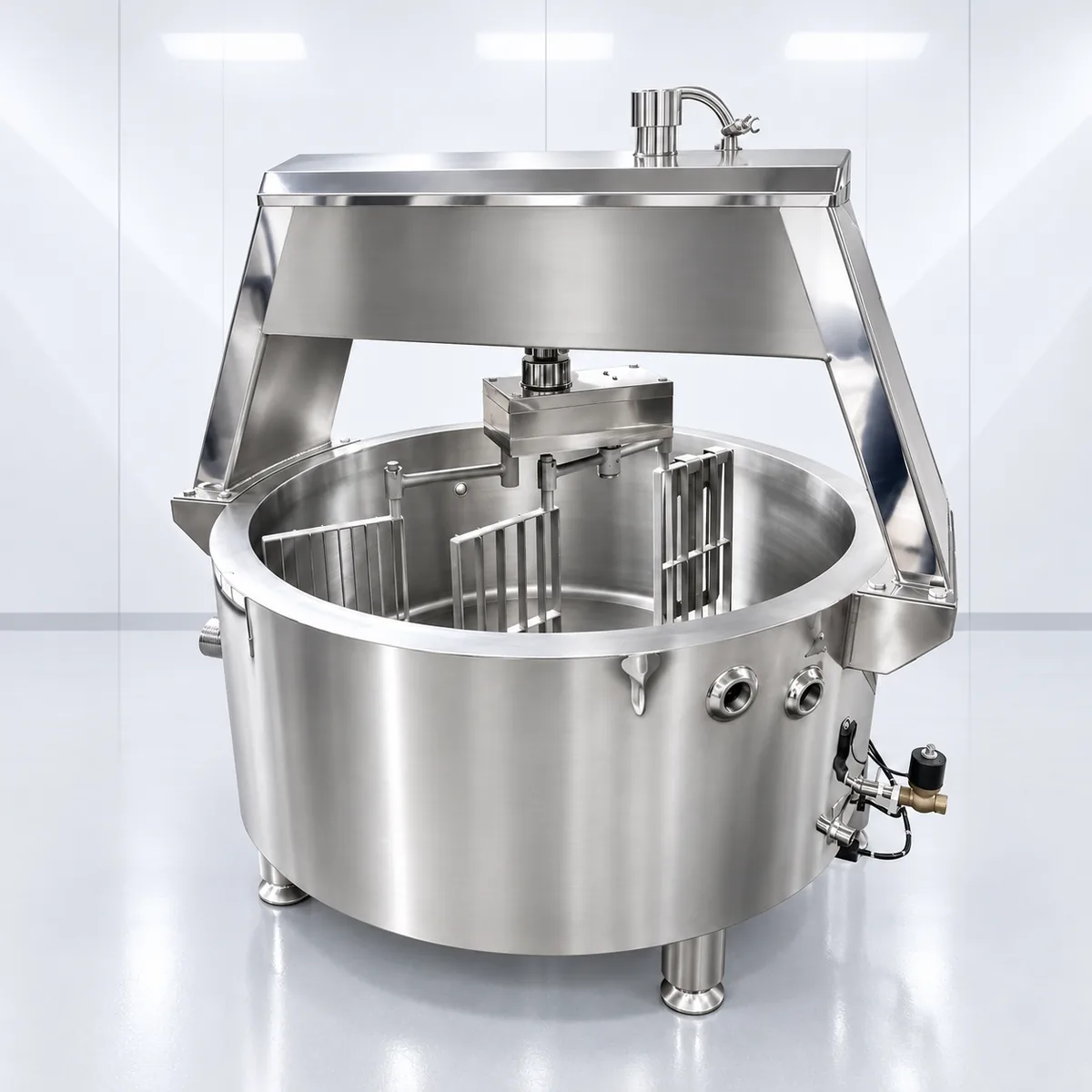
Round Queijomatic cheese vat
Open round vat with motorized harps that sets the milk, cuts, stirs and heats the curd in a single unit.
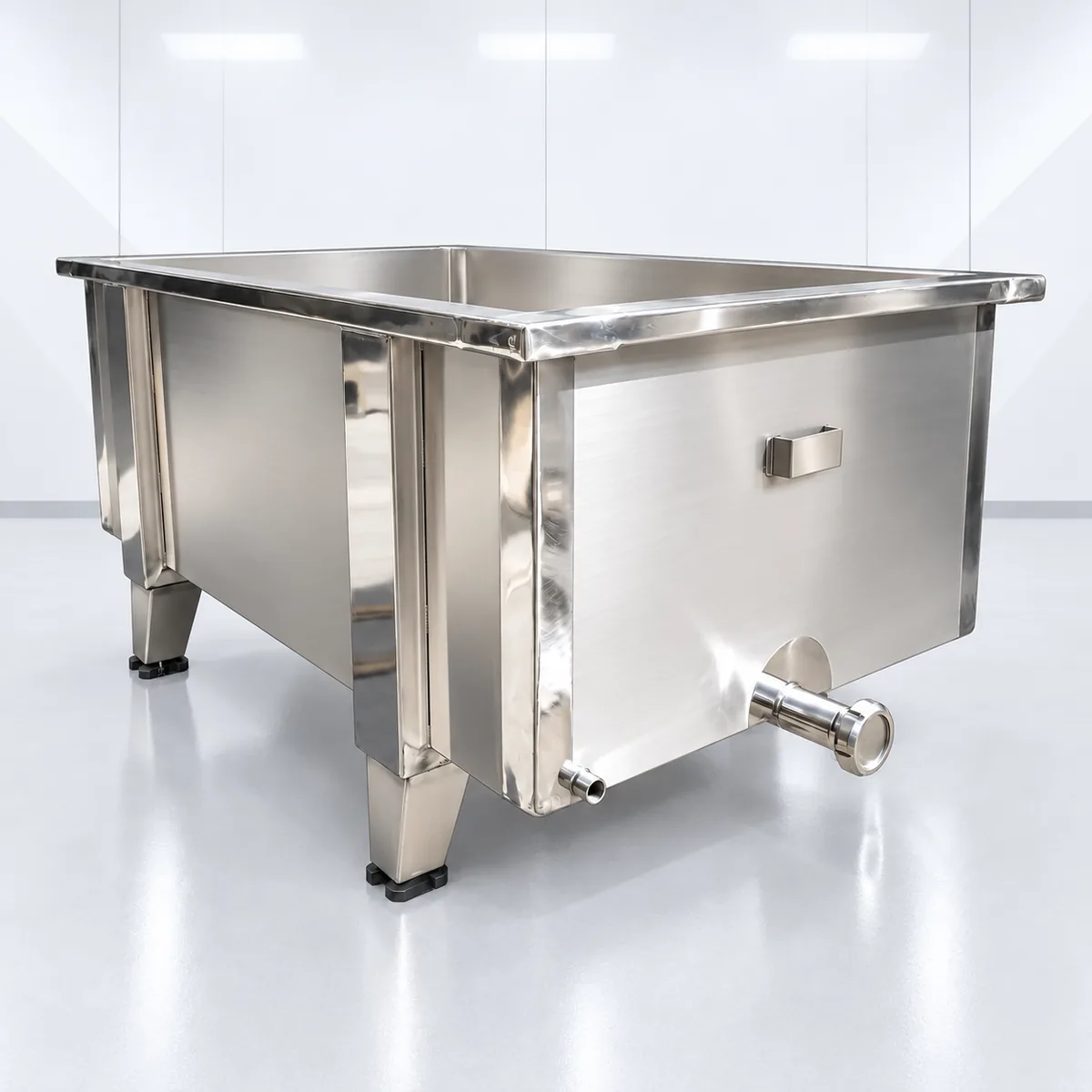
Basic cheese vat
Open rectangular vat in AISI 304 stainless steel for receiving milk, setting it and working the curd by hand.
Contact
Request an export quotation
Tell us the equipment, the capacity you need and the destination country. We reply by e-mail, in English, Spanish or Portuguese.
- +55 19 3894-1000
- concern@concern.com.br
- Rua das Orquídeas, 777, sala 303, Torre Business
Jardim Pompeia, Indaiatuba/SP, 13345-040, Brasil - Monday to Friday, 9 am to 6 pm (Brasília time)