 Representation · Import · Export
Electric confectionery kettle
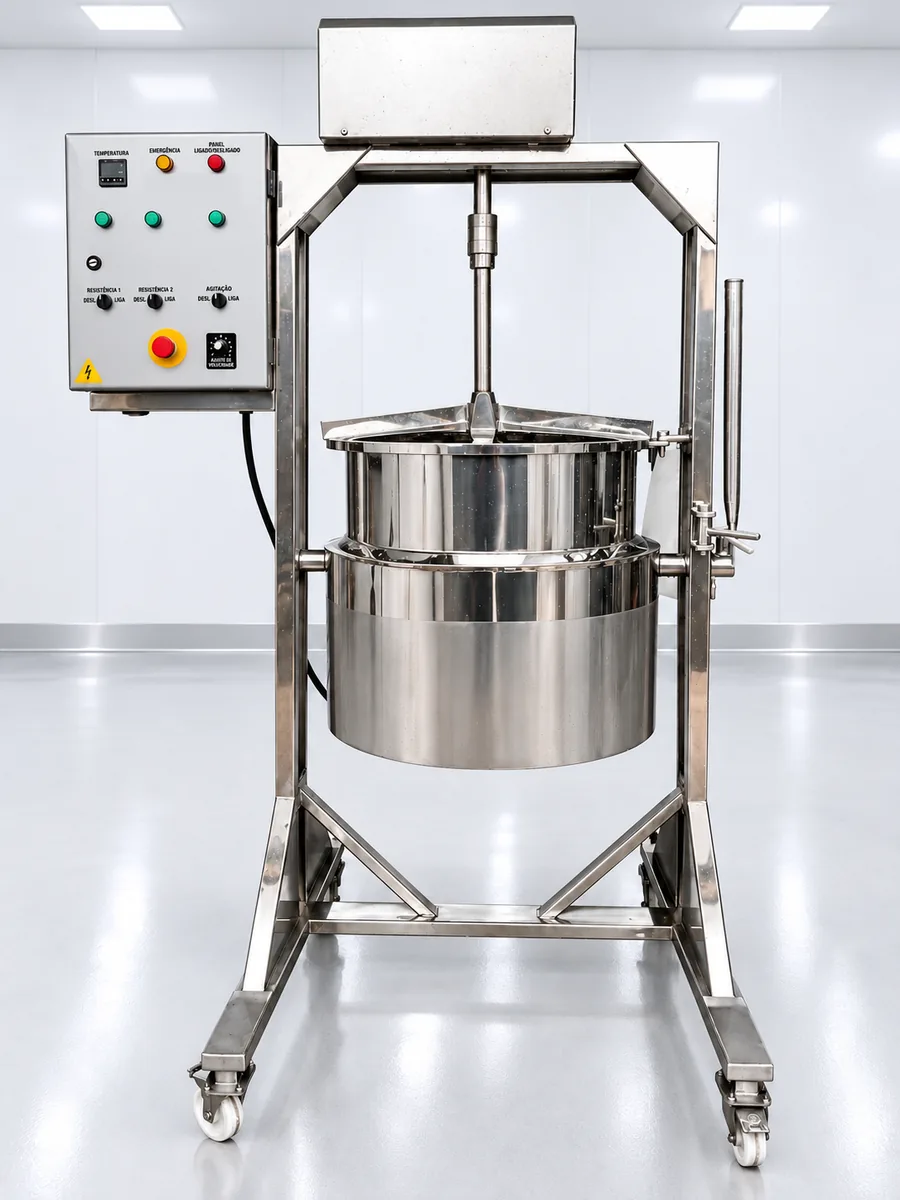
The electric confectionery kettle is a machine for making dulce de leche, fruit preserves, fillings and other food masses that need heating and stirring while they cook. The heat comes from electric heating elements built into the kettle, with no steam boiler, and a central agitator driven from the top of the gantry keeps the mass moving as it concentrates.
Also known as: electric jacketed kettle, electric kettle with mixer, electric dulce de leche cooker, electric jam cooking kettle, electric cooking mixer.
Exclusive production for export by Concern Rep. Imp. Exp.
Information and sales
Ask about configurations, availability and export sales terms.
What it is used for
- Spreadable and sliceable dulce de leche in plants without a steam boiler
- Jams, guava paste and other fruit preserves
- Fillings, creams and toppings for bakeries and confectioners
- Small and mid-sized production, recipe trials and new product launches
How it works
The ingredients are loaded through the top of the kettle and the agitator is switched on. The electric heating elements heat the jacket around the kettle, and the heat passes into the product through the stainless steel wall.
On the side panel, the operator follows the temperature and switches each group of heating elements and the agitator on or off independently. That allows strong heating at the start, while there is still a lot of water to evaporate, and gentler heating at the end, when the mass thickens and scorches more easily.
Constant stirring renews the product at the hot wall and keeps color and texture even. At the end point, the product is discharged and goes on to filling, to the confectionery beater in the case of sliceable dulce de leche, or into molds.
Features
- Electric heating elements in two groups, switched independently
- Side control panel with temperature display, heating and agitator switches and an emergency stop
- Central agitator driven by a motor unit mounted on top of the gantry
- Jacketed stainless steel kettle supported on side bearings in the gantry
- Stainless steel frame on casters, so the kettle can be moved
- Capacity, heating power and electrical supply to suit the project, on request
Frequently asked questions
Do I need a boiler to run the electric kettle?
No. The heat is generated by the kettle's own heating elements, so it only needs a connection to the plant's power supply. It is the usual choice for plants that have no boiler or do not want to install a steam line just for cooking.
How does the electric kettle compare with the industrial dulce de leche kettle?
Both cook under constant stirring. The industrial dulce de leche kettle is heated through its jacket by an external heat source, according to the project. The electric kettle needs no boiler, is simpler to install and has temperature control on its own panel. Concern helps compare the two when quoting.
What electrical details should I include in my quote request?
The voltage and frequency of the plant's power supply in the destination country, plus the batch volume and the products you plan to cook. With that, the kettle is prepared to run on your supply.
Does Concern ship the electric kettle outside Brazil?
Yes. Concern quotes, exports from Brazil and follows the shipment to its destination, with all the export documents. Ask for a quote by e-mail, WhatsApp or the form on this page, with your plant's electrical supply and the destination country.
Export through Concern
Concern exports this equipment from Brazil and runs the whole operation: quotation, commercial invoice and packing list, export registration, ocean freight from Santos or air freight from Viracopos, customs clearance and foreign exchange. 30 years in foreign trade, with service in English, Spanish and Portuguese.
More equipment
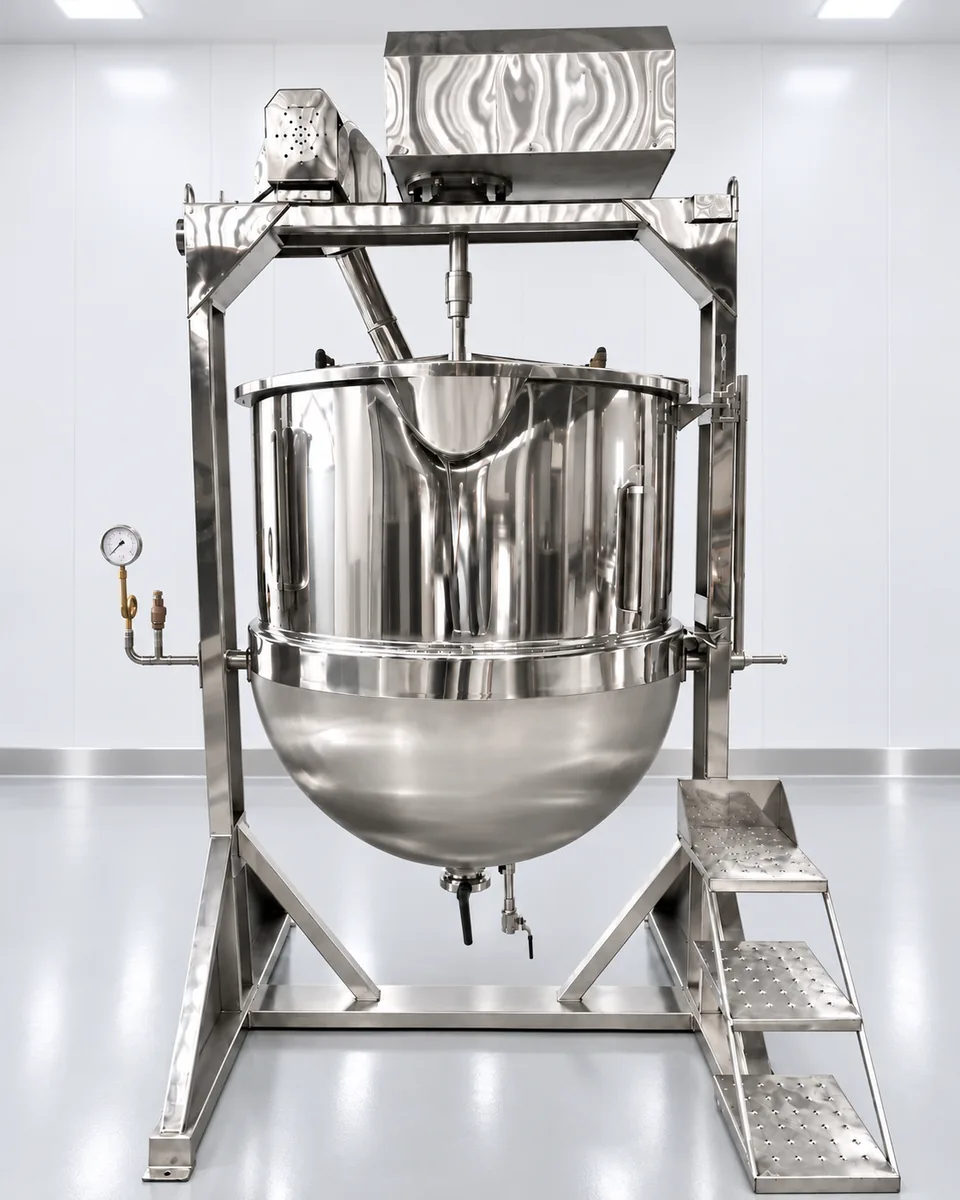
Industrial dulce de leche kettle
Cooks and concentrates spreadable or sliceable dulce de leche, fruit preserves and fillings under constant stirring.
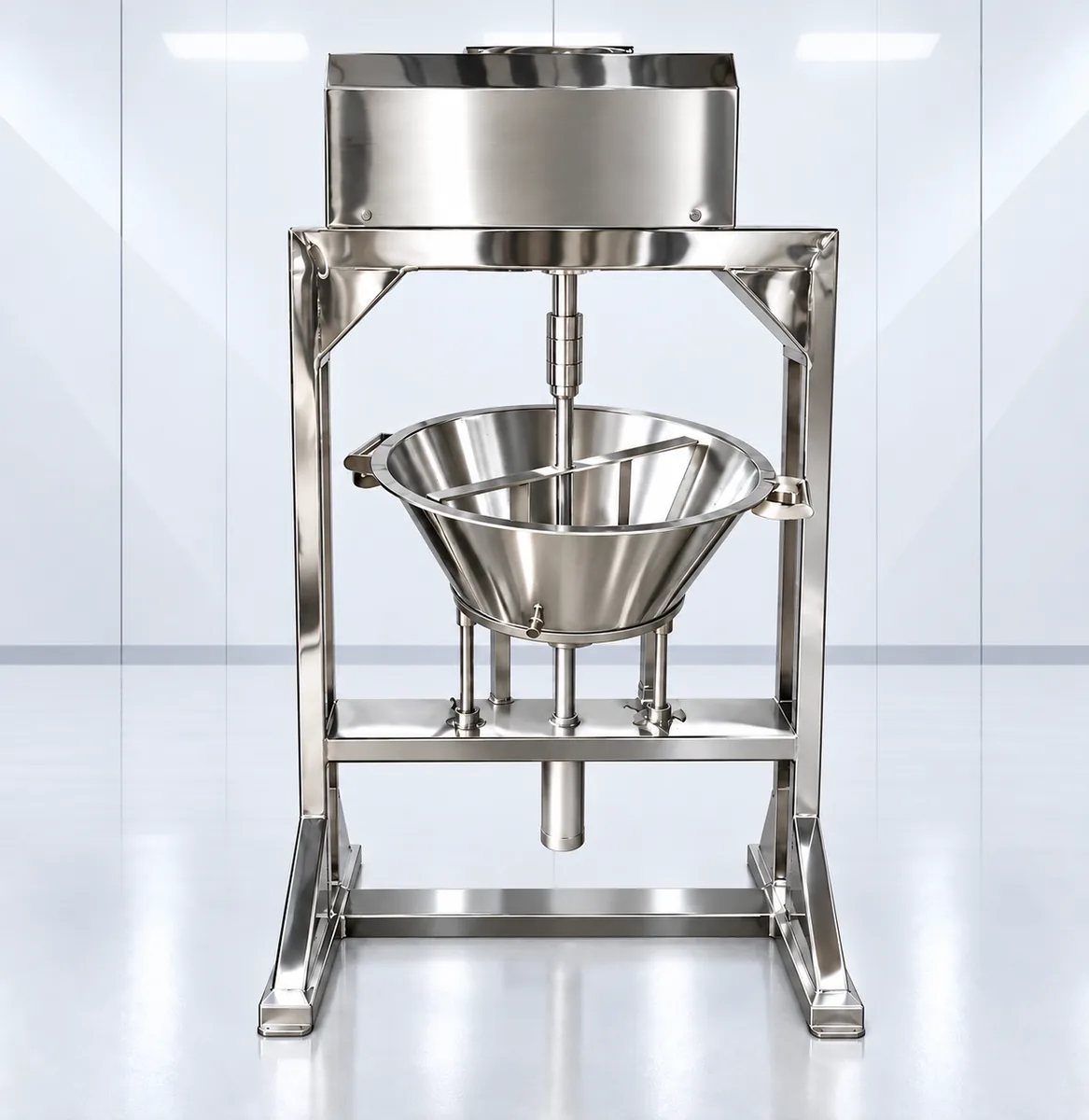
Confectionery beater
Beats concentrated dulce de leche from the kettle to a sliceable or moldable texture before it goes into molds.
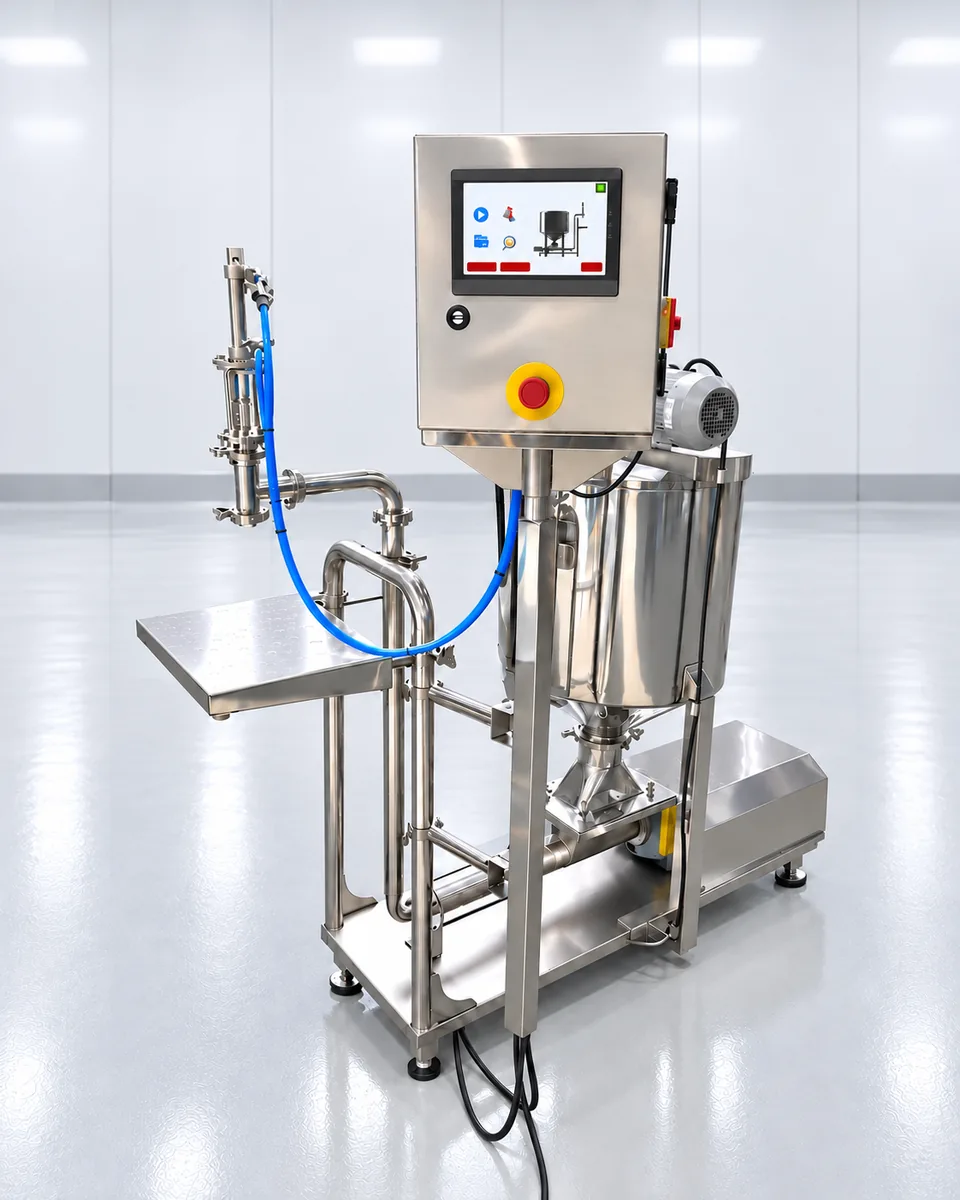
Viscous product filler
Fills dulce de leche, requeijão, butter, yogurt, jams and other pasty products, with the same dose in every pack.
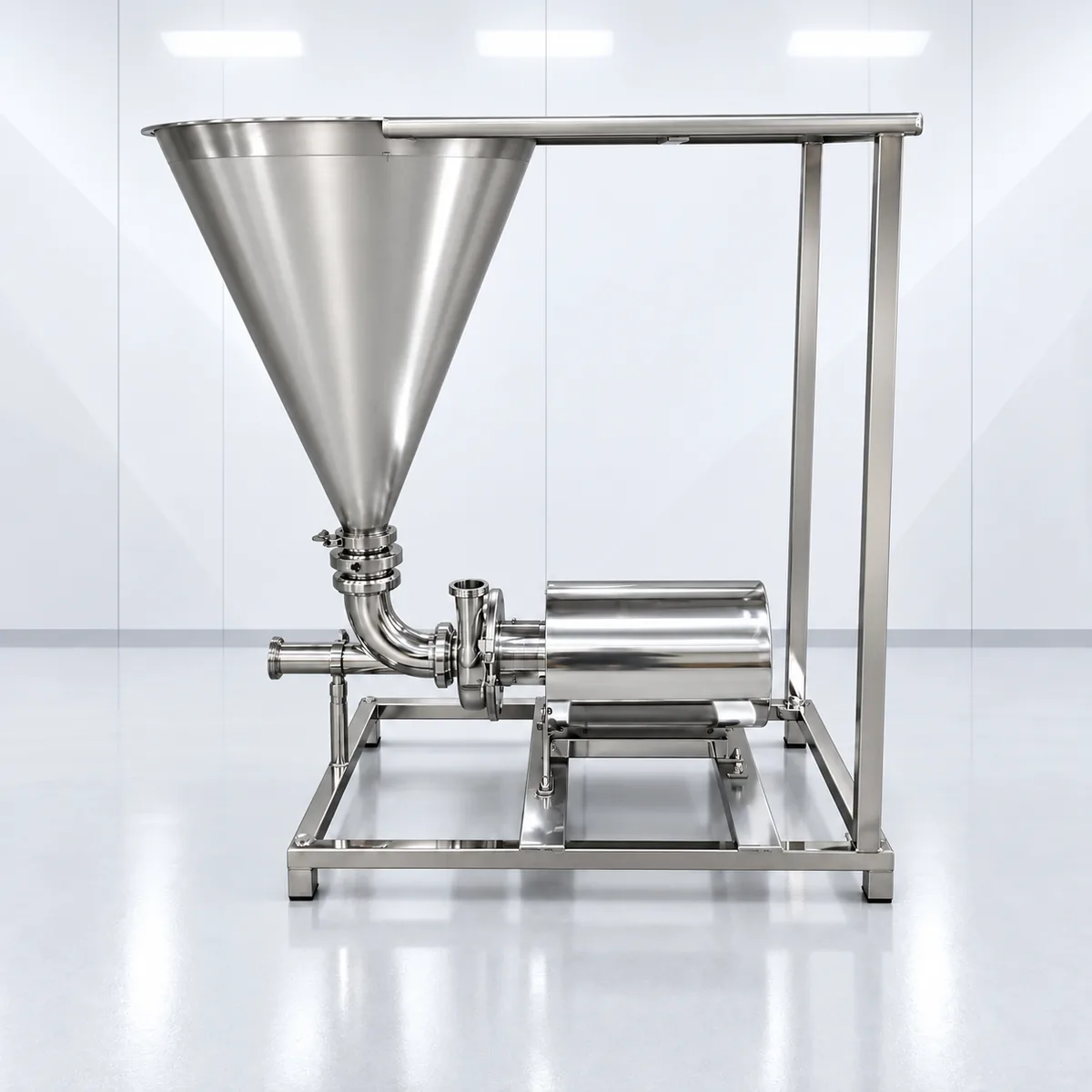
Tri-Blender powder–liquid mixer
Incorporates powdered ingredients into a circulating liquid, with a conical hopper and pump on one stainless frame.
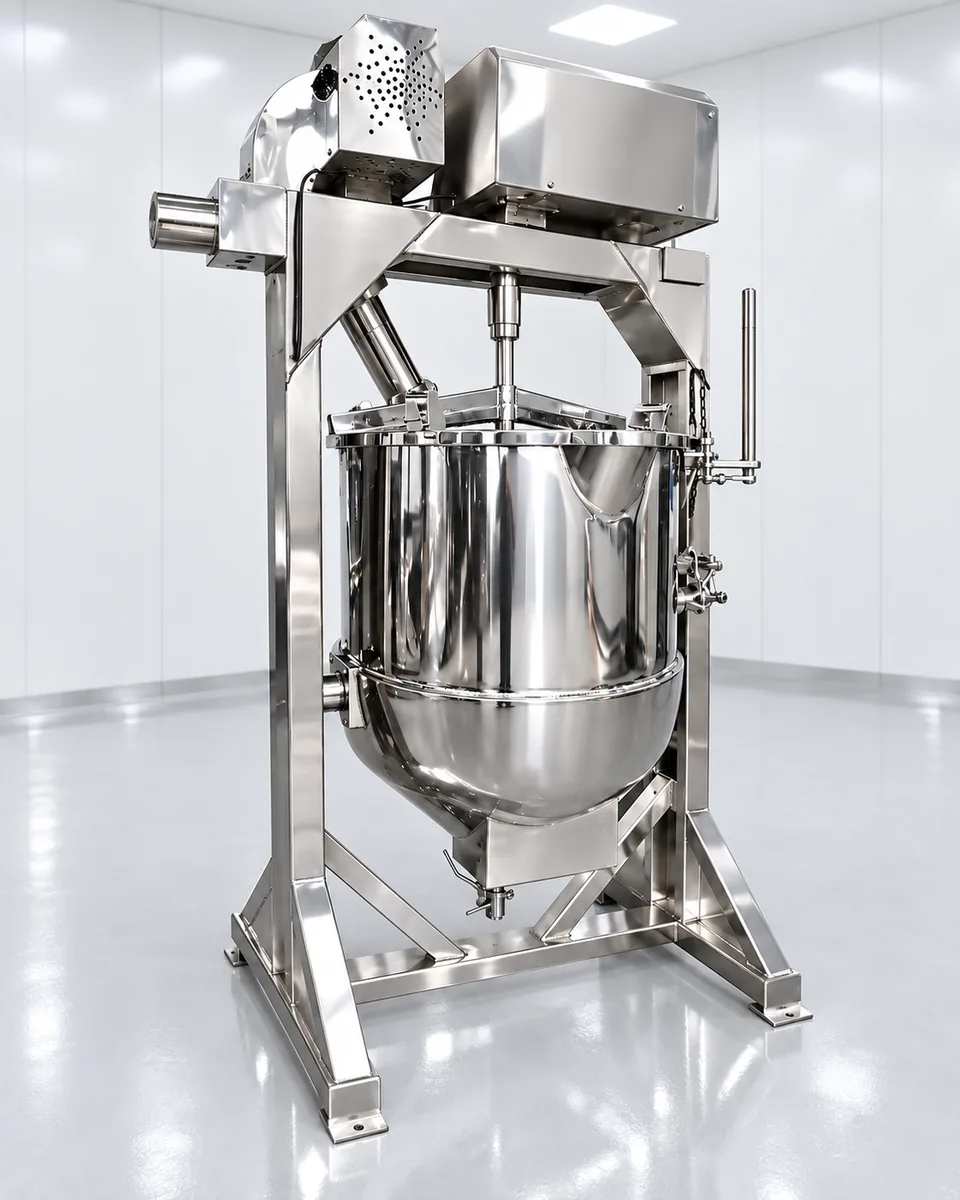
Conical-bottom confectionery kettle
Cooks and concentrates dulce de leche, fruit preserves and thick fillings; the cone bottom channels the mass to the outlet.
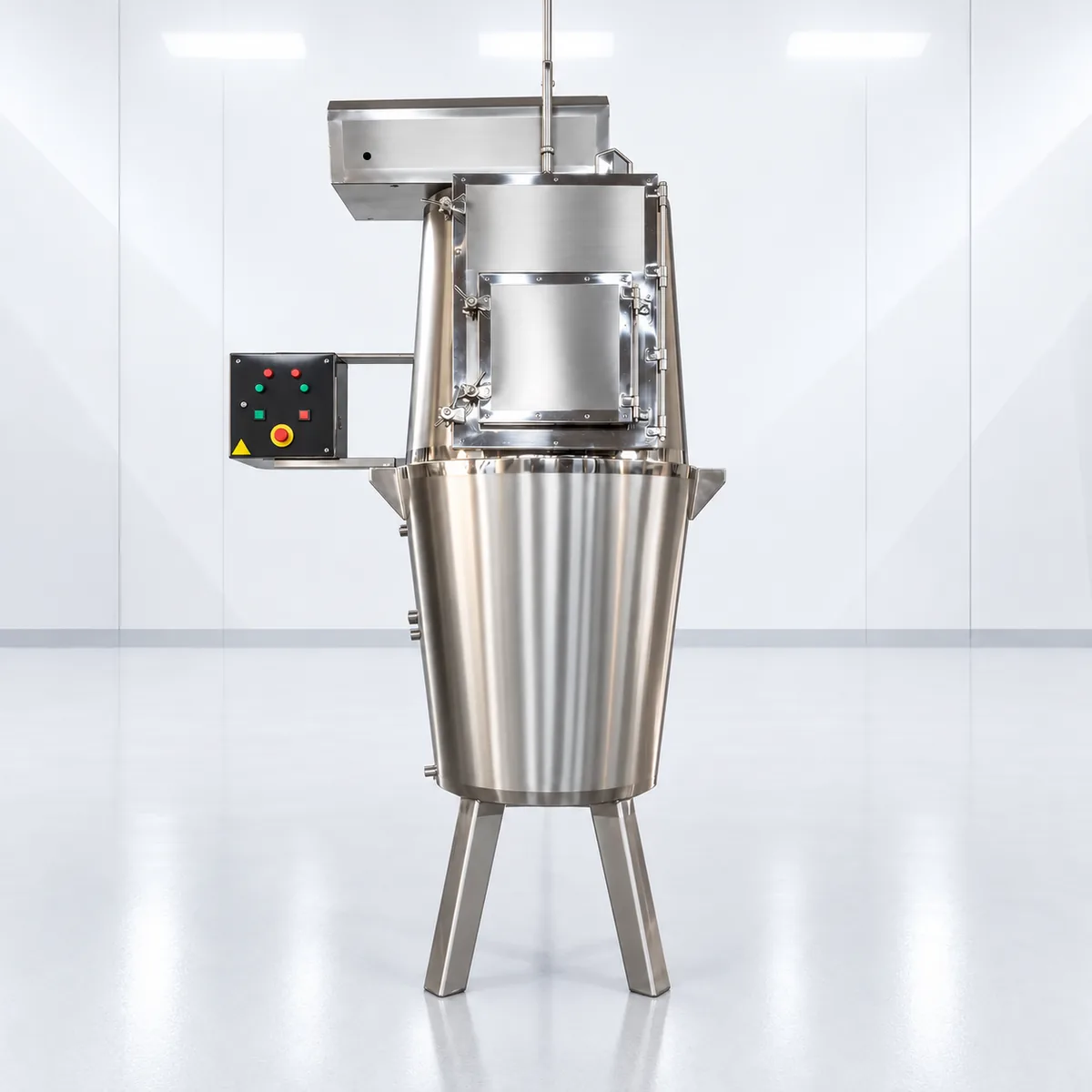
Enclosed kettle for culinary requeijão
Heats, mixes and homogenizes culinary requeijão, the firm Brazilian cream cheese, and other viscous foods in an enclosed kettle.
Contact
Request an export quotation
Tell us the equipment, the capacity you need and the destination country. We reply by e-mail, in English, Spanish or Portuguese.
- +55 19 3894-1000
- concern@concern.com.br
- Rua das Orquídeas, 777, sala 303, Torre Business
Jardim Pompeia, Indaiatuba/SP, 13345-040, Brasil - Monday to Friday, 9 am to 6 pm (Brasília time)