 Representation · Import · Export
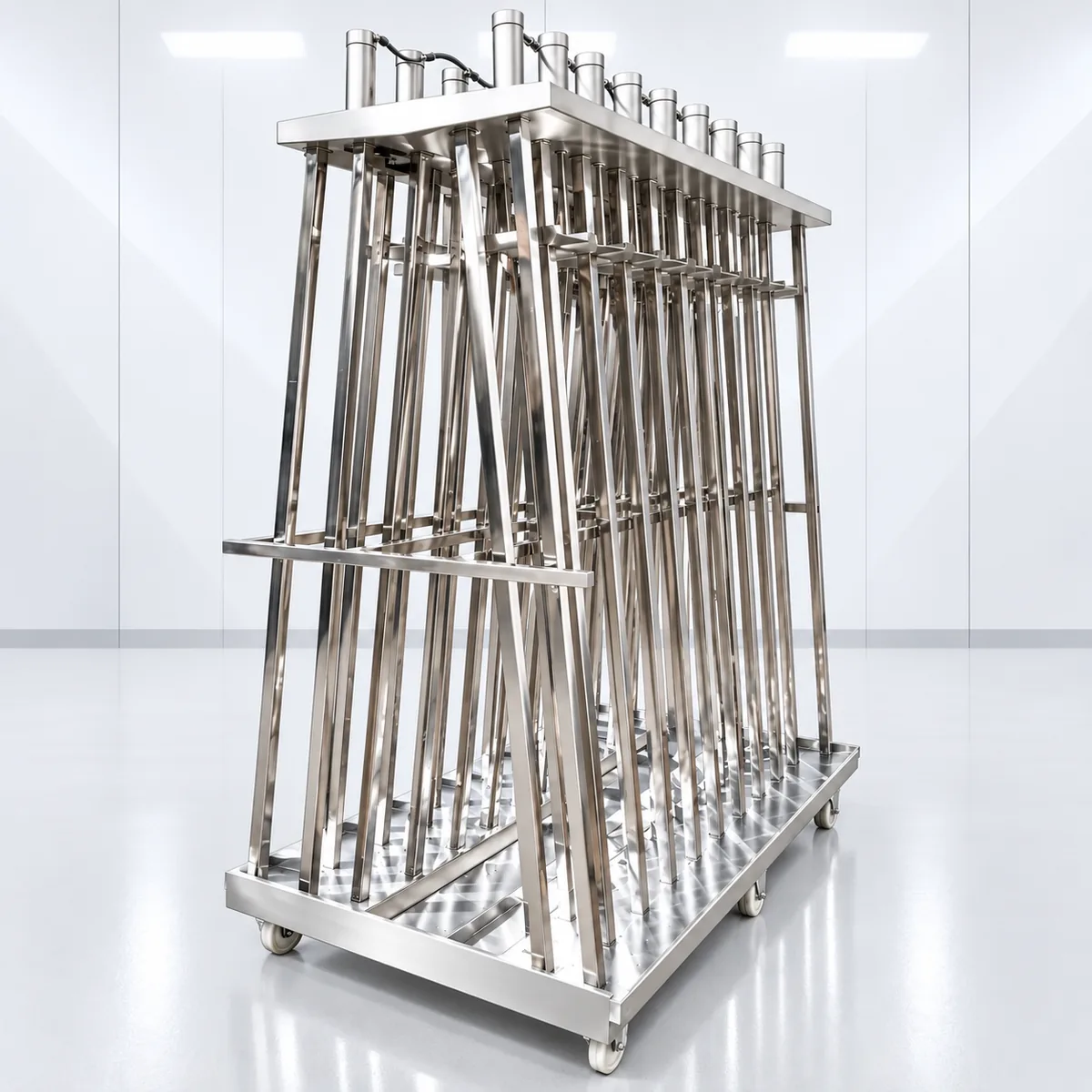
Pneumatic cheese press
The pneumatic cheese press is a vertical stainless steel press that presses curd already filled into molds, finishing whey drainage and setting the shape of the cheese. Compressed-air cylinders mounted on the top crossbar drive the pressing columns down onto stacked molds, and the whole press stands on casters.
Also known as: vertical cheese press, air cheese press, compressed air cheese press, cheese mold press, industrial cheese press.
Exclusive production for export by Concern Rep. Imp. Exp.
Information and sales
Ask about configurations, availability and export sales terms.
What it is used for
- Final pressing of semi-hard and hard cheeses such as gouda, edam-style, cheddar-style and parmesan
- Cheese plants replacing weight or lever presses with regulated, even pressure on every mold
- Pressing many molds at once, stacked in columns on a small footprint
- Plants where the loaded press is wheeled to the cold room or brine
How it works
Once the curd leaves the cheese vat, it is filled into molds with cloths or drainage liners, and the molds are stacked in the press columns. When the air is opened, the cylinders on the top crossbar lower the columns and squeeze each stack of molds from the top down.
The pressure drives out the whey still trapped between the curd grains, closes the rind and gives the cheese its final shape and height. The whey runs out of the molds and collects in the base tray.
Because the force comes from compressed air, it is the same in every column and repeatable from batch to batch. Cheesemakers usually start with low pressure and raise it after the first turning of the molds, following each recipe.
Features
- Vertical stainless steel frame with pressing columns side by side
- Pneumatic cylinders lined up on the top crossbar, driving the pressing columns
- Rimmed base tray that collects the whey draining from the molds
- Mounted on casters to move the loaded press around the plant
- Number of columns, mold size and working pressure to suit the project, on request
Frequently asked questions
What is the difference between the pneumatic press, the tubular press and the draining and pre-press vat?
The draining and pre-press vat works before molding: it takes the curd from the cheese vat, drains it and pre-presses it into a block. The pneumatic and tubular presses do the final pressing of cheese already in molds. In the pneumatic press, the force comes from compressed-air cylinders, regulated and equal in every column; in the tubular press, it comes from weights resting on the molds, with no air or power needed.
Do I need a compressor for a pneumatic cheese press?
Yes. The press runs on compressed air from a compressor or the plant air supply. With the quote, Concern states the air demand of the chosen configuration.
Which cheeses are made with a pneumatic press?
Cheeses that need pressing to close the curd and set the shape: gouda, edam-style, parmesan and other semi-hard molded cheeses. Fresh cheeses such as queso fresco or ricotta are usually not pressed.
Does Concern ship the pneumatic cheese press outside Brazil?
Yes. Concern quotes, exports from Brazil and follows the shipment to its destination, with all the export documents. Ask for a quote by e-mail, WhatsApp or the form on this page, with the cheese type, mold size and destination country.
Export through Concern
Concern exports this equipment from Brazil and runs the whole operation: quotation, commercial invoice and packing list, export registration, ocean freight from Santos or air freight from Viracopos, customs clearance and foreign exchange. 30 years in foreign trade, with service in English, Spanish and Portuguese.
More equipment
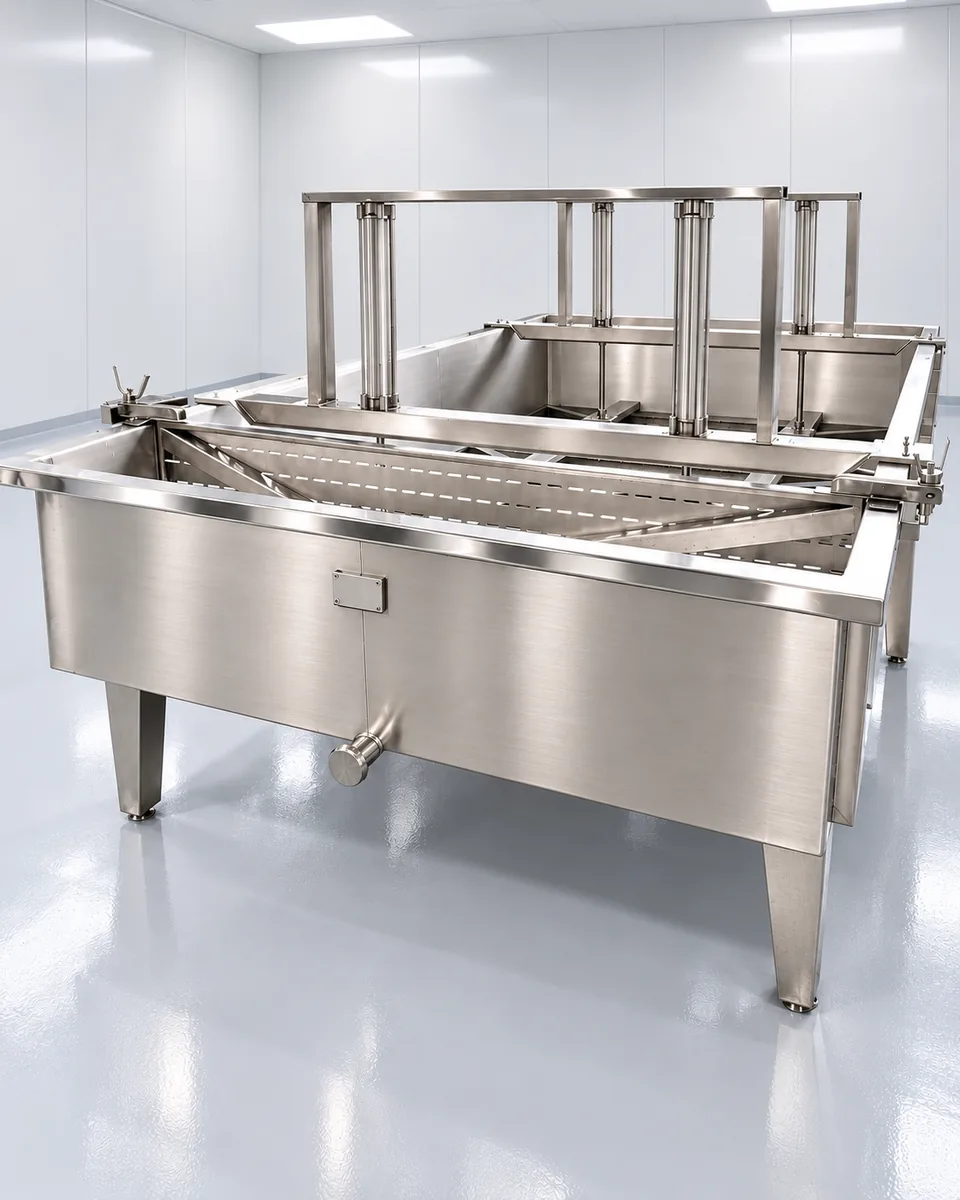
Cheese draining and pre-press vat
Drains the whey and pre-presses the curd into an even block, ready to cut and fill into molds.
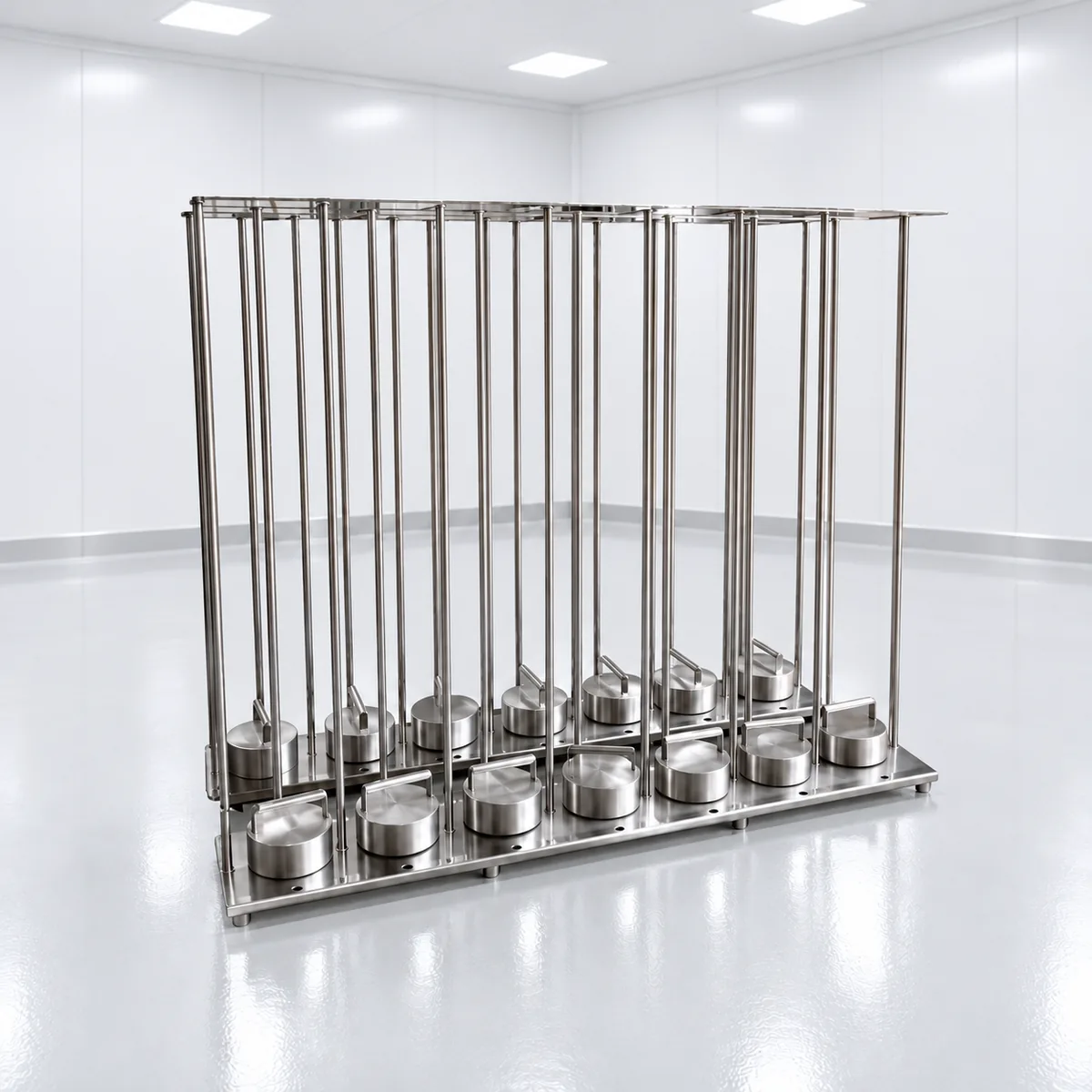
Tubular cheese press
Presses cheese in its molds with weights guided by vertical rods, with no compressor or electricity.
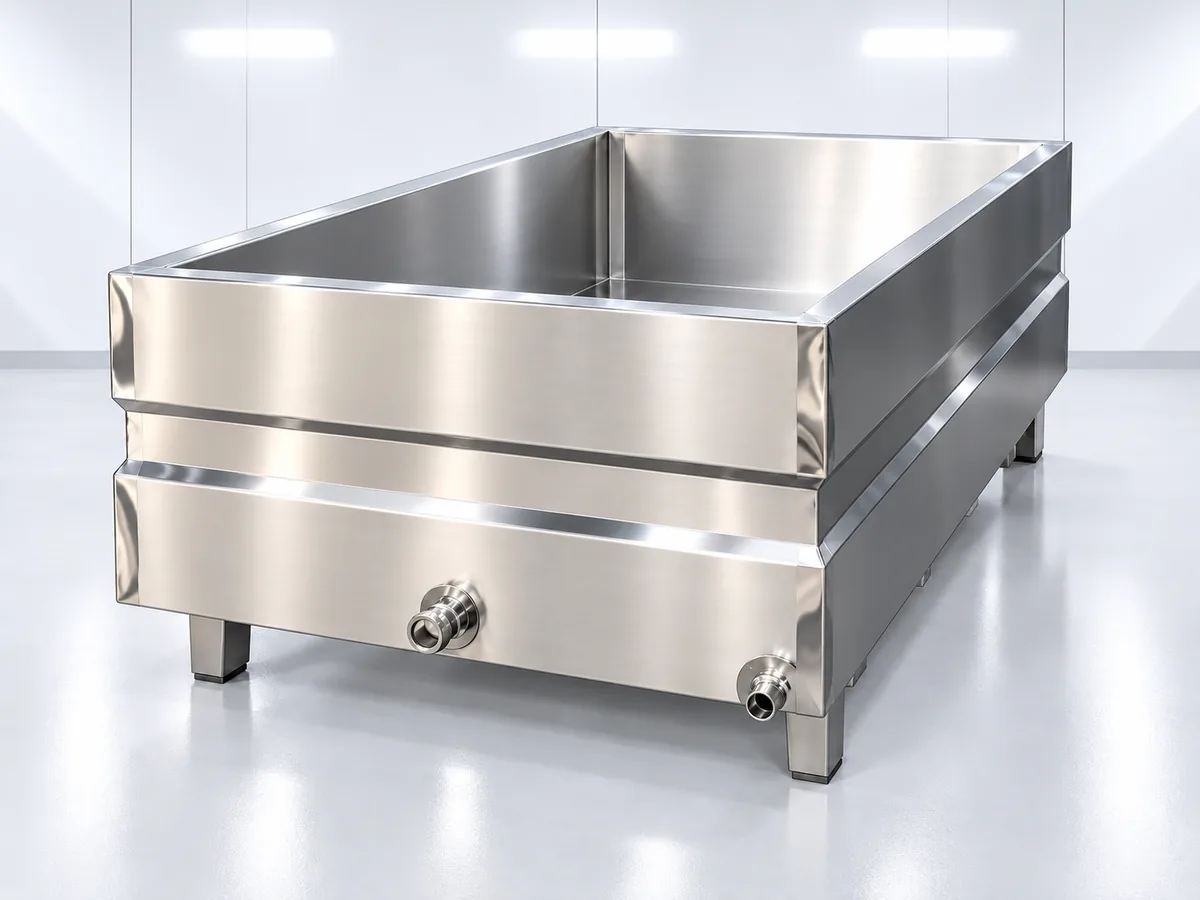
High-jacket cheese vat
Rectangular stainless steel vat with a jacket that rises almost to the rim, for heating, setting, cutting and working curd.
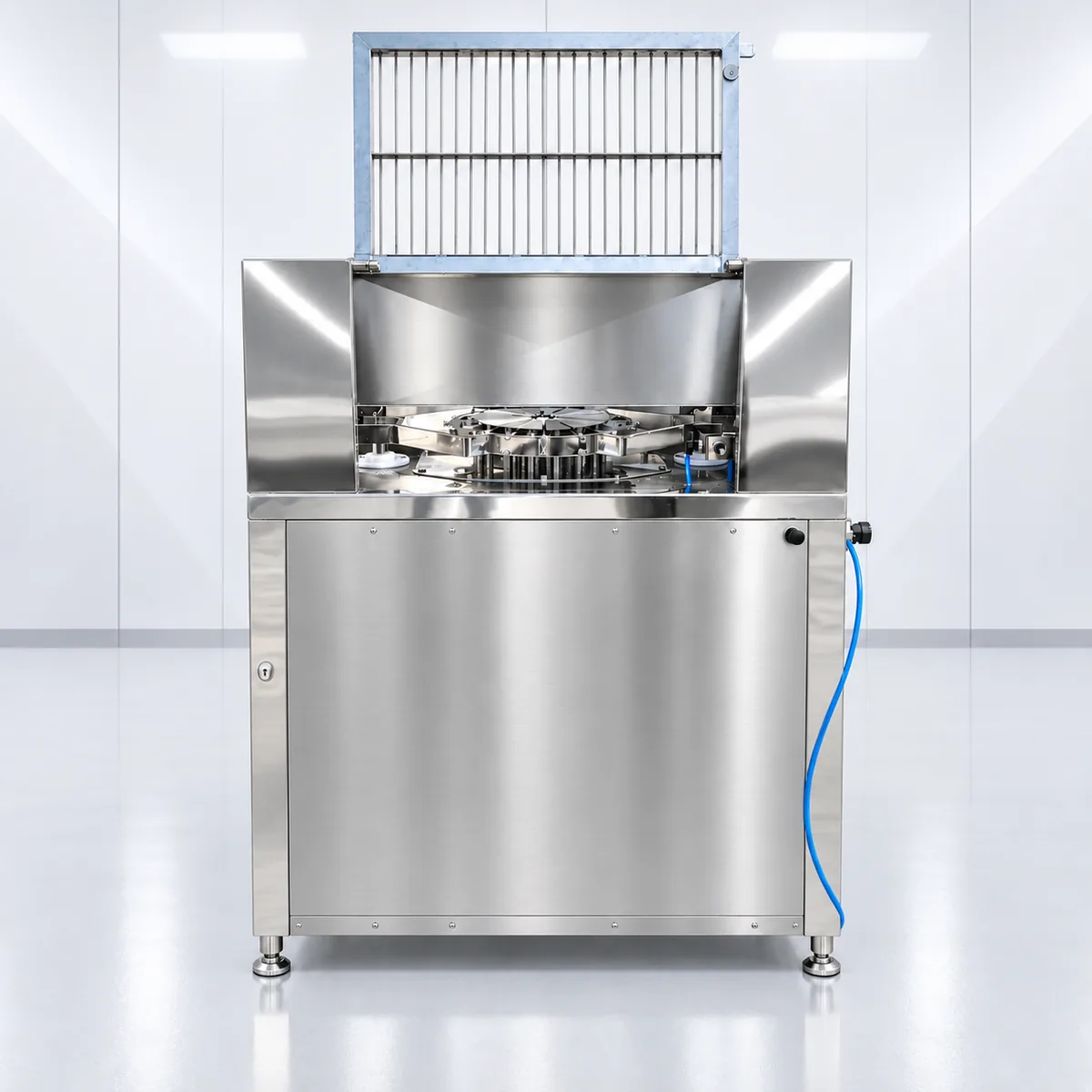
Pneumatic Parmesan portion cutter
Cuts a round wheel of Parmesan into equal wedges with a set of radial blades driven by compressed air.
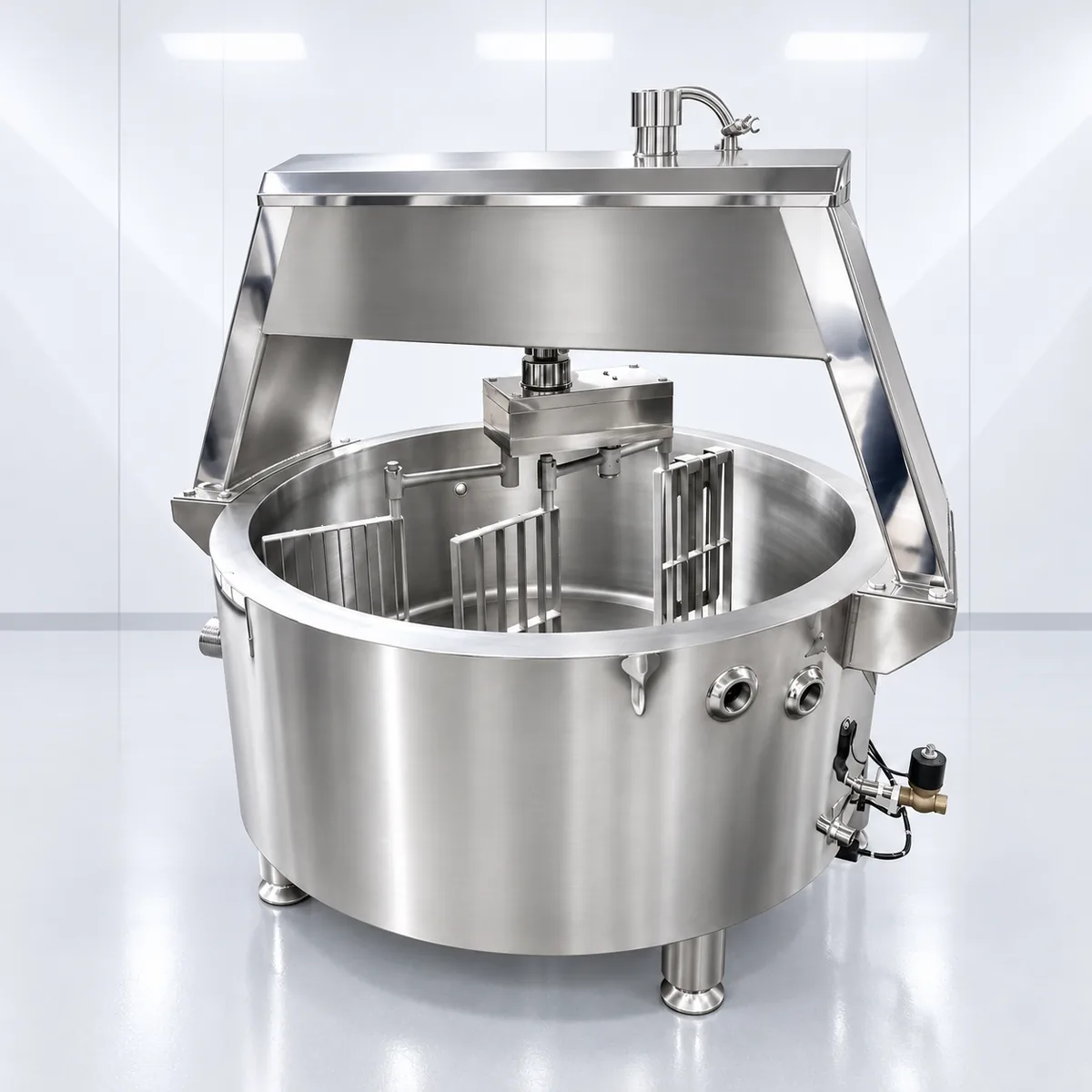
Round Queijomatic cheese vat
Open round vat with motorized harps that sets the milk, cuts, stirs and heats the curd in a single unit.
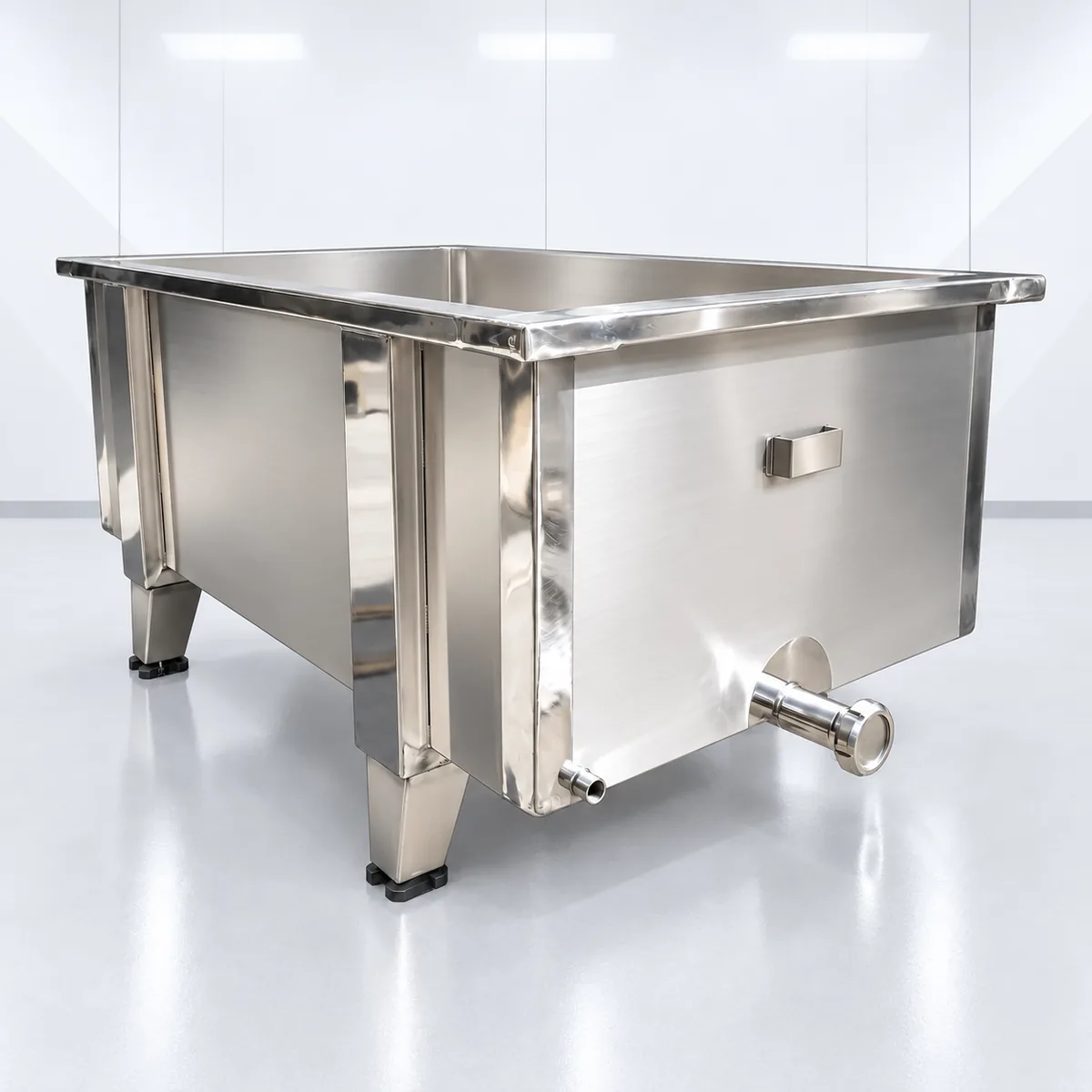
Basic cheese vat
Open rectangular vat in AISI 304 stainless steel for receiving milk, setting it and working the curd by hand.
Contact
Request an export quotation
Tell us the equipment, the capacity you need and the destination country. We reply by e-mail, in English, Spanish or Portuguese.
- +55 19 3894-1000
- concern@concern.com.br
- Rua das Orquídeas, 777, sala 303, Torre Business
Jardim Pompeia, Indaiatuba/SP, 13345-040, Brasil - Monday to Friday, 9 am to 6 pm (Brasília time)